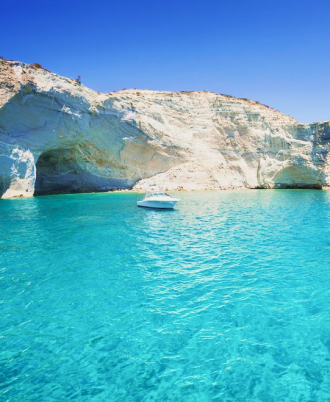

Greece invites travelers to stay longer than expected. Ancient temples, blue-washed islands, seaside tavernas, and mountain landscapes create a rhythm that encourages you to slow down. Deciding how many days to spend in Greece becomes one of the most important choices in your planning. Stay too briefly and the journey feels rushed. Stay longer and the country opens up in layers.
There is no single answer that fits everyone. Your ideal length depends on how fast you like to move, how many regions you want to include, and whether culture, islands, or relaxation matter most. Still, certain timeframes consistently work well. Understanding what each one allows helps you build a trip that feels complete rather than crowded.
Why Trip Length Matters in Greece
Greece stretches farther and feels more varied than many travelers expect. The mainland alone holds major archaeological sites, national parks, wine regions, and energetic cities. Add hundreds of inhabited islands — each with its own pace and landscape — and the country becomes a mosaic of experiences.
Travel time shapes the rhythm of your days. Ferry crossings require patience. Scenic drives curve through mountains. Historic neighborhoods reward walking slowly. When you allow enough time, you create space for moments that are impossible to schedule — a quiet lunch in a village square, a sunset that keeps you on a hillside longer than planned, or a conversation that turns into the memory you remember most.
Spending 5–6 Days in Greece: A First Glimpse
A short trip can still feel meaningful when you keep it focused. With five or six days, the best approach is to explore one primary region rather than crossing the country. Most travelers spend a portion of their trip in Athens and then add one nearby island or cultural destination.
In Athens, you have time for the essentials. The Acropolis and its museum tell the core story of classical Greece. Neighborhoods such as Plaka and Monastiraki add color through markets, small cafés, and viewpoints that frame the Parthenon at dusk. The pace remains busy but manageable, especially when evenings end with relaxed meals rather than more sightseeing.
For the remainder of your trip, choosing one destination works better than moving from place to place. A close island offers a quick taste of Greek island life. A mainland site such as Delphi or Meteora brings a deeper connection with history and landscape. A short itinerary never feels exhaustive, but it delivers a strong introduction and leaves you wanting to explore further someday.
Spending 7–8 Days in Greece: A Balanced Itinerary
A week in Greece strikes a comfortable balance. You see more without feeling like every day demands a transfer or a rush. Most travelers combine Athens with time on one or two islands during this duration.
Athens becomes more than a gateway. You can linger longer in museums, walk through different neighborhoods, and spend time at cafés that locals favor. The city’s layers start to reveal themselves — ancient foundations, neoclassical buildings, and contemporary spaces all sharing the same streets.
Island time adds contrast. You may split your days between two islands that connect easily by ferry or choose one base and explore it thoroughly. Beach days, small harbor towns, boat trips, and simple seaside meals fit naturally into the schedule. By the end of a week, the trip feels complete without being exhausting.
Spending 10 Days in Greece: Culture and Coast at Your Pace
Ten days allow Greece to unfold more gently. Distances feel shorter because you build extra time around each transfer. You can include Athens, one cultural inland region, and at least one island without constantly checking the clock.
Many travelers begin in Athens, move to a notable mainland site such as Delphi or Meteora, and then continue to the islands. That sequence tells a story: ancient civilization, dramatic landscapes, and finally the slower rhythms of island life. You also gain the luxury of unplanned time. A morning may turn into a half-day at a favorite beach. A dinner at a local taverna may become an evening walk and a second visit the next night.
With ten days, Greece stops feeling like a checklist and starts feeling like a place you inhabit for a while.
Spending 12–14 Days in Greece: A Deeper Immersion
Two weeks transform the trip entirely. Instead of moving from highlight to highlight, you begin to recognize patterns — regional foods, variations in architecture, differences in landscapes, and subtle changes in daily life.
A trip of this length can include Athens, multiple islands, and one or two inland areas without strain. You may cross between the Cyclades, explore Crete’s interior, or follow the Peloponnese from archaeological sites to quiet coastal towns. Some travelers even skip islands entirely and devote the full itinerary to the mainland, discovering mountain villages, historic cities, and lesser-known archaeological sites along the way.
The advantage of two weeks is not only quantity. It is the feeling of settling in. You wake without urgency. You return to favorite cafés. You give yourself permission to rest between major sights. By the end, you have experienced Greece as more than a vacation destination — it becomes a rhythm you briefly lived inside.

How Long to Spend in Athens
Athens often surprises travelers. Many assume it functions only as a transit hub, yet it holds enough depth to fill several days. Two full days cover the primary monuments and key museums. Three or four days let you wander beyond the well-known neighborhoods and enjoy the city at a slower pace.
Spending extra time allows you to see the city from multiple angles. Rooftop views frame the Parthenon differently at sunset than at noon. Contemporary galleries and renovated industrial districts show modern Athens. Evenings in local tavernas reveal a food culture shaped by tradition and migration alike. Time, not a list, is what makes Athens feel complete.
How Long to Spend on the Greek Islands
Island time works differently. Some travelers enjoy moving quickly between islands, while others prefer choosing one as a base and staying there. Both approaches work when expectations align with reality.
Island-hopping creates variety but requires planning. Ferries run on schedules that depend on weather and seasonal demand. Even short crossings consume most of a morning or afternoon once boarding, transfers, and logistics are included. Staying at least three nights on each island usually feels comfortable. Anything shorter often turns the experience into constant packing and moving.
Remaining longer on a single island creates another kind of reward. You discover local bakeries, quiet beaches, and evening walks where tourism blends into daily life. Many travelers find four to five nights ideal, and some happily spend a full week on one island simply to rest.
How Seasons Influence Trip Length
Seasonality shapes both pace and priorities. Summer brings long days and busy resorts. The energy is lively, yet the heat encourages slower sightseeing and breaks in the shade. Travelers often prefer shorter stays in cities during this period and spend more time by the sea.
Spring and autumn provide milder temperatures and fewer crowds. Archaeological sites feel more comfortable, ferries remain frequent, and hiking becomes attractive. These months reward longer itineraries because movement is easier and the weather supports time outdoors.
Winter changes the mood entirely. Many islands quiet down, while the mainland grows more appealing. Museums, historic towns, and urban neighborhoods take center stage. Trips during this season often run shorter but feel more focused on culture than coastline.
So, How Many Days Should You Spend in Greece?
The right answer depends on your priorities. Travelers drawn to classical history may prefer more days on the mainland. Those imagining long sunsets and beaches may center their journeys on the islands. Many visitors choose a blend, balancing city exploration with time near the water.
Two guiding ideas help most itineraries succeed. First, give Athens at least two full days rather than treating it as a layover. Second, resist the urge to add too many destinations. Staying longer in fewer places usually produces a richer, calmer trip than racing to see everything.
Final Thoughts: Time Creates the Experience
Greece rewards patience. Whether you visit for five days or two weeks, the quality of your trip comes from the space you give it. A slow walk through an ancient site, a simple lunch overlooking a harbor, or an evening conversation with a local can become as meaningful as any major landmark.
The ruins endure. The ferries continue to trace the same routes. The islands remain exactly where they have always been. What changes is how much time you allow yourself to notice them. When you choose a trip length that aligns with your pace — not someone else’s checklist — Greece turns from a destination into an experience that stays with you long after you leave.