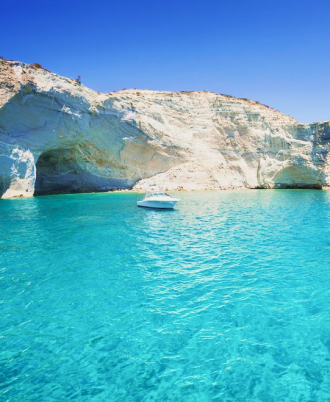

Understanding the weather in Greece in February allows you to plan a late-winter journey with realistic expectations and refined pacing. February sits at the quietest point of the tourism calendar. Winter conditions remain present. Yet subtle seasonal shifts begin to appear toward the end of the month.
The weather in Greece in February is cool, occasionally wet, and regionally diverse. You encounter shorter days, softer light, and noticeably fewer visitors. Coastal areas stay milder than inland regions. Mountain landscapes often carry snow. Cities continue operating at full rhythm, independent of tourism.
This month does not focus on beaches or swimming. Instead, it supports cultural exploration, gastronomy, archaeology, and authentic urban life. You experience Greece in its most grounded form. Infrastructure functions normally. Major sites remain open. Service feels personal and attentive.
The sections below explain how the weather in Greece in February shapes comfort, regional planning, and overall travel quality.
General Overview of Weather in Greece in February
The weather in Greece in February remains firmly winter-like, though slightly milder than January in many regions. Average daytime temperatures range between 9°C and 16°C (48°F to 61°F). Northern areas sit at the cooler end of that spectrum. Southern coastal zones remain closer to the upper range.
Rainfall is moderate. February is still part of the wetter season, especially in western Greece. However, extended periods of continuous rain are uncommon. You often experience alternating cloudy and clear days.
Snowfall occurs in mountainous regions and occasionally in northern inland cities. Coastal cities rarely see snow accumulation. Sea temperatures remain cool, averaging between 15°C and 17°C (59°F to 63°F).
Daylight gradually increases as the month progresses. Early February offers around 10 hours of daylight. By late February, you gain additional light in the afternoon. The sun feels gentle rather than intense.
Overall experience rating for February travel: ⭐⭐⭐⭐
Best for: Cultural immersion and quiet exploration
Weather reliability: Moderate
Seasonal atmosphere: Calm and authentic
Weather in Athens and Mainland Cities in February
February offers a practical and comfortable environment for exploring Athens and other mainland cities. In Athens, daytime temperatures typically range from 12°C to 16°C (54°F to 61°F). Conditions feel cool but rarely severe.
You can visit the Acropolis and surrounding archaeological sites without heat fatigue. The cooler air supports longer walking sessions. Museums and indoor cultural venues provide warmth during overcast periods.
Rain occurs periodically but seldom dominates the entire day. Showers tend to pass quickly. Outdoor cafés operate year-round, often using heaters. Evenings require coats and layered clothing.
In Thessaloniki, temperatures remain slightly lower. Northern winds occasionally move through the city. Waterfront walks remain pleasant on dry days. Cultural life continues uninterrupted, with theaters and galleries active throughout winter.
Driving across mainland Greece remains manageable. Mountain roads may require caution if snow falls. Urban centers rarely face significant disruption. February supports city-focused itineraries with flexibility built into daily planning.
Overall experience rating: ⭐⭐⭐⭐
Best for: History, museums, and gastronomy
Walking comfort: Good with appropriate layers
Evening atmosphere: Relaxed and local
Weather on the Greek Islands in February
The weather in Greece in February varies across island groups. Tourism activity remains limited on smaller islands. Ferry schedules operate on winter timetables. Larger islands maintain consistent local life.
On Santorini, temperatures generally range between 11°C and 15°C (52°F to 59°F). Winds can feel brisk, especially along cliff edges. The landscape appears dramatic under shifting winter skies. Many hotels close seasonally, but selected properties remain open.
Crete offers some of the mildest winter conditions in Greece. Daytime temperatures often reach 15°C or 16°C. Coastal cities such as Chania and Heraklion function normally year-round. Mountainous interior regions may experience snowfall.
On Corfu and other Ionian islands, rainfall is more frequent. The environment remains green and lush. Cloud cover appears more often than in the Aegean. Storm systems occasionally pass through the western coast.
Rhodes and parts of the Dodecanese maintain relatively stable winter temperatures. Conditions remain cool but rarely harsh. Tourism infrastructure operates at reduced capacity, though essential services continue. February island travel suits you if you prioritize scenery, local interaction, and quiet surroundings rather than resort-style amenities.
Overall experience rating: ⭐⭐⭐
Best for: Scenic walks and local life
Weather consistency: Moderate
Tourism activity: Limited
Sea Temperatures and Swimming in February
Sea conditions strongly influence expectations during February. The weather in Greece in February keeps sea temperatures at their annual lowest point. Water averages between 15°C and 17°C (59°F to 63°F). Swimming is uncommon for most travelers. Beaches remain largely empty. Organized beach facilities do not operate. Water sports activities pause except for specialized winter enthusiasts.
You may observe local swimmers accustomed to colder conditions. However, this remains the exception. Heated indoor pools in select hotels provide a more comfortable alternative. Boat excursions operate only in limited formats. Calm winter days allow private sailing experiences in certain regions. Weather systems can occasionally affect ferry reliability.
During February, coastal areas serve primarily as scenic backdrops rather than activity centers. Seafront walks replace beach time.
Overall experience rating: ⭐⭐
Best for: Coastal views rather than swimming
Water comfort: Low
Sea stability: Variable
Rainfall, Snow, and Cloud Cover in February
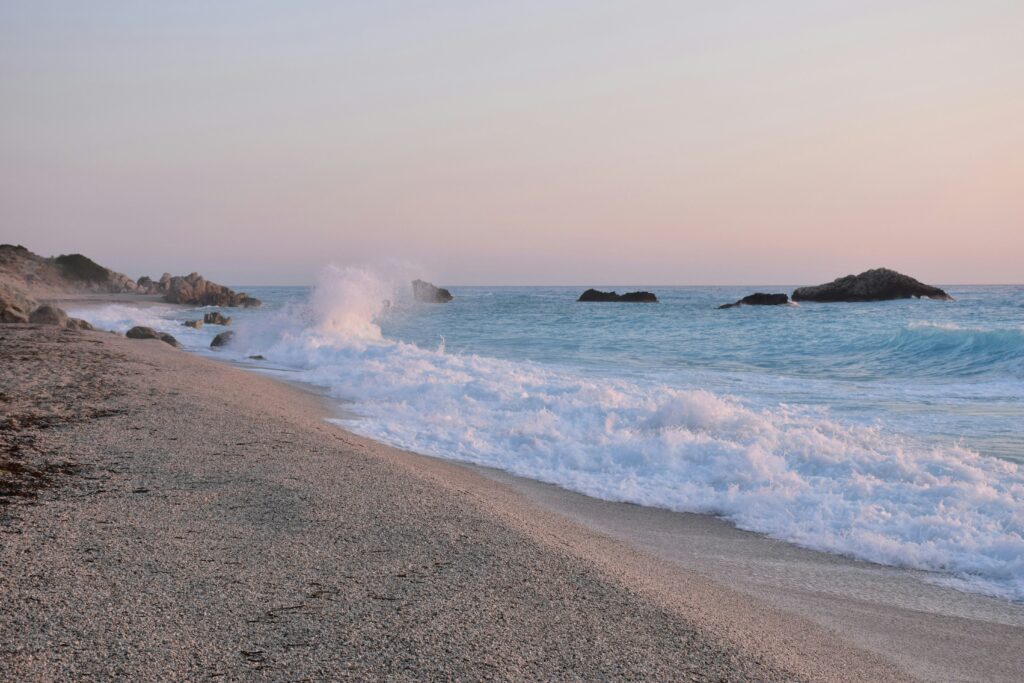
Rainfall remains part of the weather in Greece in February, particularly in western and northern regions. Showers typically arrive in short intervals. Entire days lost to rain remain uncommon. Snow appears in mountainous areas such as northern Greece and high elevations of central regions. Ski centers operate depending on snow levels. Snow rarely accumulates in Athens or southern coastal cities.
Cloud cover occurs frequently, though sunny spells appear regularly between systems. Winter light creates soft tones across landscapes. Photography benefits from dramatic skies and clear air following rainfall.
Wind patterns vary. Northern winds may lower perceived temperatures. Coastal gusts occasionally intensify conditions. However, extreme storms are infrequent.
Overall experience rating: ⭐⭐⭐
Best for: Winter scenery and mountain landscapes
Rain disruption: Moderate
Visual character: Atmospheric and textured
How February Weather Affects Sightseeing and Activities
The weather in Greece in February encourages slower, culturally rich itineraries. Archaeological sites remain open with reduced ticket lines. You explore historic centers without crowd pressure.
Walking tours feel manageable with proper clothing. Outdoor exploration remains comfortable during dry periods. Indoor experiences gain prominence during colder or rainy intervals. Museums, galleries, and culinary experiences become central components of daily schedules. Seasonal dishes reflect winter traditions. Local markets operate year-round, offering insight into everyday life.
Mountain villages present a different atmosphere. Fireplaces and traditional tavernas define evenings. Skiing and snow activities are possible in northern Greece when conditions permit. Carnival celebrations sometimes occur in late February, depending on the calendar year. These events add color and energy to certain cities. You travel at a deliberate pace. Flexibility remains essential. February rewards travelers who value depth over volume.
Overall experience rating: ⭐⭐⭐⭐
Best for: Cultural depth and authentic experiences
Physical comfort: Good with preparation
Activity diversity: Focused and meaningful
What to Pack for Greece in February
Packing for February requires thoughtful layering. Medium to heavy coats provide necessary warmth in northern and inland regions. Sweaters, scarves, and insulated footwear increase comfort. Waterproof jackets and umbrellas prepare you for occasional showers. Comfortable walking shoes with traction remain important, particularly on stone streets.
In Athens and southern areas, you rarely need extreme winter gear. However, evenings feel cold without layers. Mountain destinations require warmer clothing, especially if snow is present. Indoor heating operates widely across hotels and restaurants. You transition comfortably between indoor warmth and cooler outdoor temperatures. Sun protection remains minimal compared to summer months. Instead, focus on adaptable layers that allow comfort across shifting daily conditions.
Overall experience rating: ⭐⭐⭐⭐
Packing complexity: Moderate
Clothing flexibility: Essential
Weather preparation: Straightforward
February Weather and Crowd Levels
The weather in Greece in February corresponds with one of the lowest tourism periods of the year. International visitor numbers remain limited. Major sites feel open and unhurried. You experience efficient service and attentive hospitality. Restaurant reservations are rarely necessary outside peak dining hours. Hotels offer broader availability and competitive seasonal rates.
Urban centers continue operating normally. Local rhythms dominate daily life. Mountain destinations may see moderate domestic travel if snow conditions are favorable. Overall, February provides a calm environment ideal for reflective travel. You navigate cities without congestion. Transportation operates without seasonal strain.
Overall experience rating: ⭐⭐⭐⭐
Crowd density: Very low
Service quality: High
Atmosphere: Local and relaxed
Regional Weather Differences Across Greece in February
Northern Greece experiences the coldest temperatures in February. Daytime highs may remain near 9°C to 12°C (48°F to 54°F). Frost and snow occur periodically. Central Greece presents slightly milder conditions. Mountain interiors often carry snow. Coastal zones remain moderate and more stable.
Southern Greece and Crete provide the warmest winter conditions. Daytime temperatures often reach 15°C or 16°C during sunny periods. The Ionian coast records higher rainfall totals than eastern Aegean regions. These differences influence comfort and activity options. Aligning your itinerary with regional climate patterns improves overall satisfaction.
Overall experience rating: ⭐⭐⭐
Regional contrast: Clear
Planning relevance: High
Climate variation: Noticeable
Is February a Good Time to Visit Greece?
February suits you if you prioritize authenticity and cultural engagement. The weather in Greece in February does not support beach holidays. It supports museums, cuisine, and history.
You benefit from minimal crowds, easier reservations and experience daily Greek life without seasonal intensity. You adjust plans occasionally due to rain or cooler temperatures. If warmth and swimming define your travel goals, later months offer better conditions. If quiet exploration and cultural depth appeal to you, February provides meaningful value.
Overall experience rating: ⭐⭐⭐⭐
Best for: Off-season cultural travel
Weather confidence: Moderate
Overall value: Strong for urban and inland itineraries
Final Thoughts on Weather in Greece in February
The weather in Greece in February creates a reflective and grounded travel environment. Days remain cool. Evenings encourage indoor dining and conversation. Landscapes shift between winter greens and snow-touched mountains.
You move through historic settings without crowd pressure. You encounter Greece in a calm and local rhythm. While February requires practical clothing and schedule flexibility, it rewards thoughtful travelers.
With careful planning, February offers a balanced winter experience defined by authenticity, culture, and measured exploration.