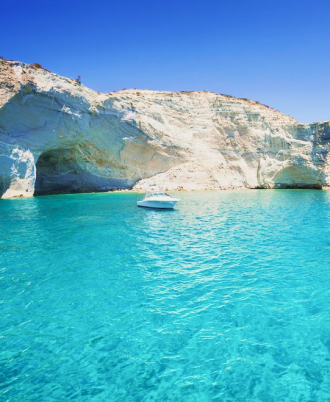

Gerakas Beach in Zakynthos is one of the most special places you can visit in Greece. This isn’t just another pretty beach. It’s home to endangered loggerhead sea turtles that come here to nest every summer. The beach sits on the southern tip of Zakynthos island. And it offers something you won’t find anywhere else – the chance to be part of protecting an ancient species while enjoying one of Greece’s most beautiful coastlines.
The beach stretches for about 800 meters along the coast. The water is clear and blue. But what makes Gerakas Beach truly unique is what happens here between May and October. Female loggerhead turtles return to the same beach where they were born. They dig nests in the sand and lay their eggs. This has been happening for thousands of years.
A local travel specialist can help you visit Gerakas Beach at the right time and in the right way. They know the turtle protection rules. They also know the best spots to see these amazing creatures without disturbing them. Plus, they can combine your visit with other special places around Zakynthos that most tourists never discover.
Why Gerakas Beach Matters for Sea Turtles
Loggerhead sea turtles are endangered. There are only about 60,000 nesting females left in the world. Zakynthos hosts one of the most important nesting sites in the Mediterranean. Every year, about 1,300 nests are made on the beaches around the island. Gerakas Beach is one of the main nesting areas.
The turtles that nest here are huge. Adult females can weigh up to 180 kilograms. They’ve been swimming the Mediterranean for 20 to 30 years before they return to nest. When they come ashore, they dig holes about 50 centimeters deep. Then they lay between 80 and 120 eggs.
The eggs need about 55 days to hatch. Temperature determines whether the babies will be male or female. Cooler sand produces males. Warmer sand produces females. Climate change is making this balance tricky. That’s why protecting beaches like Gerakas is so important.
Baby turtles are tiny when they hatch. They’re only about 4 centimeters long. But they face huge challenges. Only about 1 in 1,000 will survive to become adults. Birds, crabs, and fish all hunt them. Light pollution confuses them too. Instead of heading to the sea, they sometimes crawl toward bright lights on land.
The Greek government has made Gerakas Beach part of the National Marine Park of Zakynthos. This gives the turtles legal protection. There are strict rules about what you can and can’t do on the beach. These rules help ensure the turtles can continue nesting here for generations to come.
Best Times to Visit Gerakas Beach

The turtle nesting season runs from May through October. But different months offer different experiences. A local specialist can help you choose the best time based on what you want to see and do.
May and June are when the first turtles arrive. The beach is less crowded then. You might see turtles coming ashore to nest, usually at night. The weather is warm but not too hot. This is also when wildflowers bloom around the beach area.
July and August are the busiest months. More tourists visit then. But it’s also when you’re most likely to see turtles in the water during the day. The beach has full facilities open. However, parts of the beach may be roped off to protect nests.
September is many people’s favorite time. The crowds thin out after August. But the weather stays warm and sunny. This is when baby turtles start hatching. You might see tiny tracks in the sand where they’ve made their way to the sea. The water is still perfect for swimming too.
October marks the end of the nesting season. It’s quieter and more peaceful. Some facilities may have reduced hours. But you can still enjoy the beach and might catch the last turtle activity of the year.
Winter months see very few visitors. The beach facilities close. But if you’re staying on Zakynthos for other reasons, it’s still a beautiful place for a walk. Just remember that winter weather can be unpredictable in Greece.
For families with children, September often works best. The turtle activity is exciting for kids. But the intense summer heat has passed. Also, school groups and educational programs are less common then, so you’ll have a more personal experience.
What You’ll Find at Gerakas Beach
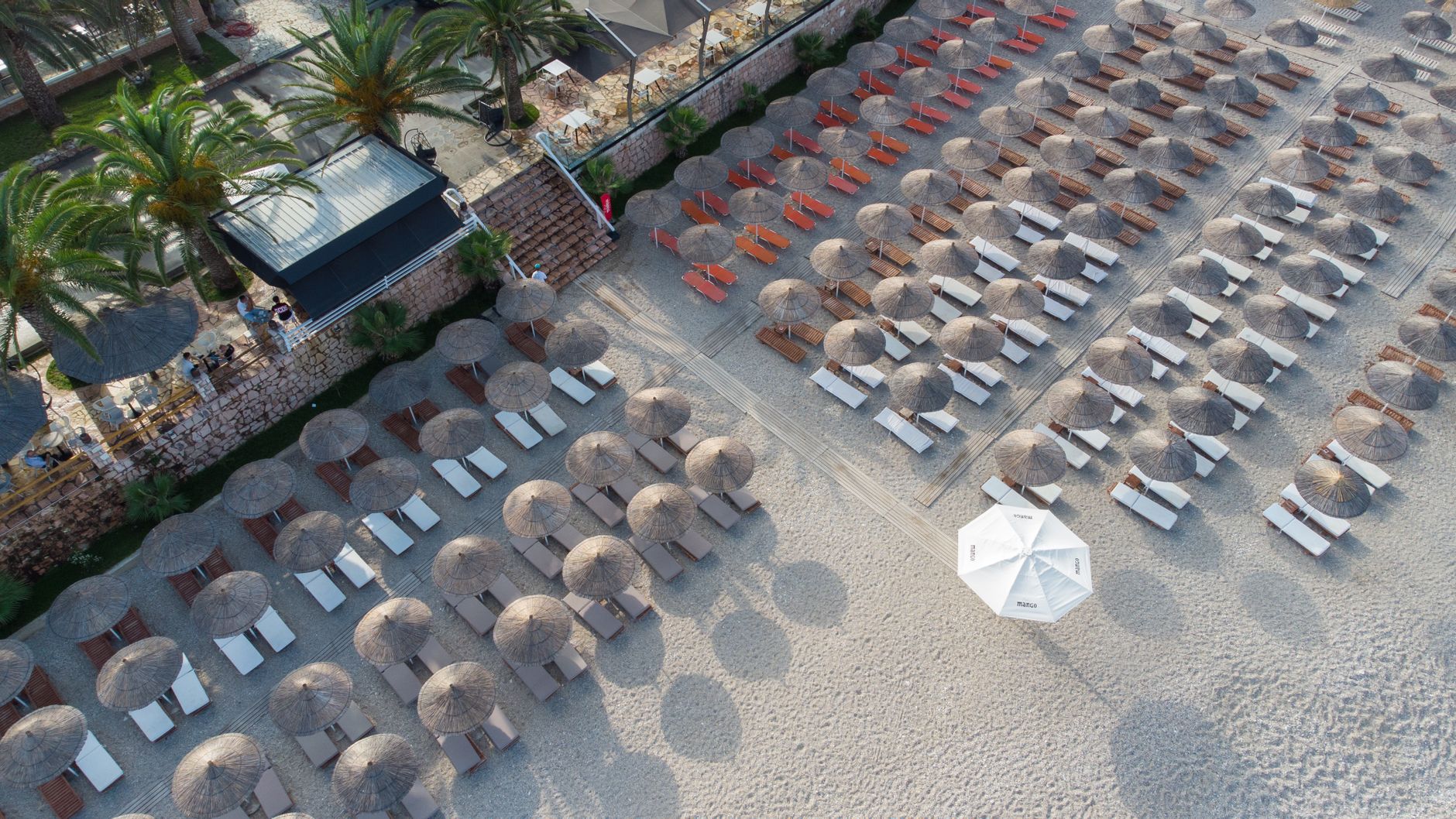
Gerakas Beach has good facilities, but they’re designed to work with turtle protection. The main beach area has sunbeds and umbrellas. There’s also a beach bar that serves drinks and light meals. But everything is set up to minimize impact on the nesting areas.
The sunbeds are placed away from the main nesting zones. During turtle season, parts of the beach are marked with ropes and signs. These areas are off-limits to visitors. The protected zones change throughout the season as new nests are discovered.
A small information center sits near the beach entrance. Staff there can tell you about the turtles and current protection measures. They often have displays showing turtle eggs, shells, and other educational materials. It’s worth stopping here first to understand what you’re seeing.
The beach bar offers basic refreshments. You’ll find cold drinks, coffee, and simple snacks. But don’t expect a full restaurant menu. The focus here is on keeping things simple and environmentally friendly. Many visitors bring their own water and snacks.
Parking is available near the beach. But spaces can fill up quickly during peak season. A local specialist can arrange transportation that avoids the parking hassle. They might also know alternative access points that are less crowded.
The beach has basic changing facilities and showers. These are simple but clean. There are also waste bins placed around the area. Keeping the beach clean is crucial for turtle protection.
One thing you won’t find is loud music or water sports. These are banned to protect the turtles. The atmosphere is peaceful and focused on nature. This makes Gerakas Beach perfect for families who want to teach children about wildlife conservation.
Swimming and Beach Activities at Gerakas
Swimming at Gerakas Beach is wonderful, but there are important rules to follow. The water is clear and usually calm. The sandy bottom slopes gently, making it good for families with children. But you need to stay in designated swimming areas.
During turtle nesting season, swimming is restricted to certain parts of the beach. These areas are clearly marked. The restrictions help protect both nesting turtles and their eggs. A local guide can show you exactly where it’s safe to swim and explain why the rules exist.
The water temperature is perfect from May through October. In summer, it reaches about 25°C. Even in September and October, it stays warm enough for comfortable swimming. The gentle waves make it ideal for children who are learning to swim.
Snorkeling is possible in the designated areas. You might see small fish and sea grass beds. But don’t expect coral reefs or tropical fish. The Mediterranean has different marine life than tropical destinations. Still, the clear water makes for pleasant snorkeling.
Beach games are limited during turtle season. You can’t play volleyball or football on the sand. These activities could damage turtle nests. Instead, people usually focus on swimming, sunbathing, and enjoying the natural setting.
Photography is allowed and encouraged. But there are rules about using flash near turtle nesting areas. Also, if you’re lucky enough to see a turtle, you must keep your distance. Getting too close can stress the animals and disrupt their natural behavior.
For luxury travelers, a local specialist can arrange private beach setups. These might include premium sunbeds, personal service, and gourmet picnic baskets. Everything is arranged to comply with environmental protection rules while still providing comfort.
Turtle Watching Guidelines and Ethics
Seeing a loggerhead turtle is an amazing experience. But it’s important to do it right. These animals are protected by law. There are serious penalties for disturbing them. A knowledgeable local guide ensures you follow all the rules while maximizing your chances of a sighting.
If you see a turtle in the water, stay at least 10 meters away. Don’t try to touch or swim with them. Turtles can bite if they feel threatened. They’re also surprisingly fast swimmers when they need to be. Watching from a respectful distance is much safer and less stressful for the animal.
Nesting turtles are even more sensitive. They usually come ashore at night. If you’re lucky enough to witness this, you must stay very quiet and still. Any noise or movement can cause the turtle to return to the sea without nesting. This wastes enormous energy for the animal.
Flash photography is strictly forbidden near turtles. The bright light can disorient them. This is especially dangerous for baby turtles, who use natural light to find their way to the sea. Even phone lights should be kept to a minimum.
Never touch turtle eggs or disturb marked nests. The eggs are incredibly fragile. Even small vibrations can damage them. The nests are marked for a reason – to protect the next generation of turtles.
If you find a turtle in distress, don’t try to help it yourself. Contact the beach authorities or the marine park office immediately. They have trained staff who know how to handle these situations safely.
Some tour operators offer “turtle watching” trips that aren’t ethical. These might involve getting too close to animals or visiting during inappropriate times. A reputable local specialist will only arrange activities that truly protect the turtles while giving you a meaningful experience.
Getting to Gerakas Beach
Gerakas Beach sits on the southern tip of Zakynthos island. The drive from Zakynthos Town takes about 45 minutes. The route goes through small villages and olive groves. It’s a scenic journey that gives you a taste of rural Greek island life.
From the airport, the drive takes about 30 minutes. Most visitors rent a car or arrange private transportation. Public buses do run to the area, but they’re infrequent and don’t always connect well with flight times.
The road to Gerakas is mostly paved and in good condition. But the final approach to the beach involves a steep, winding descent. Some rental cars struggle with this, especially smaller vehicles. A local specialist can arrange appropriate transportation and drivers who know the route well.
During peak season, traffic can be heavy on the approach roads. Starting early in the day helps avoid the worst crowds. It also gives you better chances of seeing turtle activity, which is more common in the morning and evening.
Parking near the beach is limited. There’s a small parking area, but it fills up quickly. Some visitors park along the access road and walk down. But this walk can be challenging in the heat, especially for families with young children or elderly travelers.
A local travel specialist can arrange transportation that includes stops at viewpoints along the way. The drive to Gerakas passes several spots with amazing views over the Ionian Sea. These stops make the journey part of the experience, not just a way to get there.
For luxury travelers, private helicopter transfers are possible. Zakynthos has a helipad, and flights can be arranged to coincide with the best turtle viewing times. This also provides incredible aerial views of the coastline and nesting beaches.
Other Beaches and Attractions Near Gerakas
Gerakas Beach is part of a larger area with several other important turtle nesting sites. Daphni Beach is just a few kilometers away. It’s smaller than Gerakas but equally important for turtle conservation. The two beaches together form the heart of the marine park.
Sekania Beach is another nearby nesting site. It’s less developed than Gerakas, with no facilities. But it offers a more wild, natural experience. Some visitors prefer it for this reason. A local guide can help you understand the differences and choose the right beaches for your interests.
The Blue Caves are about an hour’s drive from Gerakas. These natural rock formations create stunning blue light effects in the water. Boat trips to the caves can be combined with visits to Gerakas Beach for a full day of exploring Zakynthos’s natural wonders.
Navagio Beach, famous for its shipwreck, is also on the same side of the island. However, it’s quite different from Gerakas. Navagio is dramatic and photogenic but doesn’t have the wildlife significance. A local specialist can help you decide whether to visit both or focus your time on turtle conservation areas.
The village of Vasilikos is the closest settlement to Gerakas Beach. It has tavernas, small shops, and accommodation options. Staying here puts you close to the beach while supporting the local community that helps protect the turtles.
Keri Lighthouse offers panoramic views over the southern coast. It’s about 20 minutes from Gerakas Beach. The lighthouse area has walking trails and is a good spot for sunset viewing. Some visitors combine lighthouse visits with early morning or late afternoon trips to Gerakas.
For families interested in learning more about marine life, the Zakynthos Marine Park has an information center in Zakynthos Town. It provides deeper context about turtle conservation efforts and the island’s marine ecosystem.
Where to Stay Near Gerakas Beach
Staying close to Gerakas Beach gives you the best chance to see turtle activity. Early morning and late evening are the most active times for turtles. Being nearby means you can visit during these optimal periods without long drives.
Vasilikos village has several accommodation options. These range from simple guesthouses to luxury villas. Many are family-run businesses that support turtle conservation efforts. The owners often have local knowledge about the best times and places to see turtles.
Luxury travelers can find private villas with pools and sea views. Some of these properties have direct beach access or private paths to secluded coves. A local specialist can arrange villas that combine luxury amenities with easy access to turtle watching opportunities.
For families, apartment-style accommodations work well. These provide kitchen facilities for preparing meals and snacks. This is especially useful since dining options near Gerakas Beach are limited. Having your own space also gives children a place to rest between beach visits.
Some accommodations offer turtle watching programs as part of their services. These might include guided night walks or educational presentations. However, it’s important to ensure these programs follow proper conservation guidelines.
Staying in Zakynthos Town is another option. The town has more dining and entertainment choices. But you’ll need to drive about 45 minutes each way to reach Gerakas Beach. This can be tiring, especially if you want to visit during early morning or evening hours.
A local travel specialist can match your accommodation choice to your interests and travel style. They know which properties have the best access to turtle areas and which owners are most knowledgeable about local wildlife.
What to Pack for Gerakas Beach
Packing for Gerakas Beach requires some special considerations. Sun protection is crucial, as there’s limited natural shade. But you also need to think about turtle conservation rules when choosing what to bring.
Reef-safe sunscreen is essential. Regular sunscreens contain chemicals that can harm marine life. Many places now sell turtle-safe alternatives. A local specialist can advise on the best products available in Greece or recommend bringing specific brands from home.
A wide-brimmed hat and UV-protective clothing help reduce sunscreen needs. Long-sleeved swim shirts are especially good for children. They provide protection without requiring frequent sunscreen reapplication.
Bring plenty of water, especially during summer months. The beach bar has drinks, but they can be expensive. Having your own water ensures you stay hydrated during longer visits.
A small cooler with snacks is useful for families. But remember that you must take all trash with you. There are waste bins on the beach, but bringing less packaging reduces your environmental impact.
Comfortable walking shoes are important for the path down to the beach. The descent can be steep and rocky in places. Flip-flops or sandals aren’t ideal for this terrain.
A waterproof bag protects your phone and other electronics from sand and water. It also keeps important items safe if you want to swim or snorkel.
Binoculars can enhance turtle watching, especially if you spot turtles swimming offshore. But they’re not essential – many sightings happen close enough to see clearly with the naked eye.
For photography, bring extra batteries or a portable charger. You might spend longer at the beach than planned if turtle activity is high. Running out of battery power would be frustrating.
Conservation Efforts and How You Can Help
Visiting Gerakas Beach supports important conservation work. Your entrance fees and purchases help fund turtle protection programs. But there are other ways to contribute to these efforts during your visit.
The Sea Turtle Protection Society of Greece runs many of the conservation programs on Zakynthos. They rely on volunteers and donations to continue their work. Visitors can learn about their programs and make contributions if they choose.
Following beach rules is the most important way to help. This means staying in designated areas, not disturbing nests, and keeping noise levels low. These simple actions have a big impact on turtle survival rates.
Participating in beach cleanups is another way to contribute. Some local organizations organize regular cleanup events. Even picking up a few pieces of litter during your visit helps maintain the habitat turtles need.
Choosing responsible tour operators supports conservation indirectly. Companies that follow environmental guidelines and educate visitors about turtle protection deserve your business. A local specialist can recommend operators with strong conservation credentials.
Spreading awareness after your visit extends the impact of conservation efforts. Sharing your experience with friends and family helps more people understand why places like Gerakas Beach matter. Social media posts can reach even wider audiences.
Some visitors choose to “adopt” a turtle nest through conservation programs. This involves making a donation that supports monitoring and protection of specific nests. You receive updates about the nest’s progress and hatching success.
For families, visiting Gerakas Beach can be an educational experience that shapes children’s attitudes toward wildlife conservation. Many young visitors become passionate about marine protection after seeing turtles in their natural habitat.
Planning Your Visit with a Local Specialist
A local travel specialist brings useful knowledge to your Gerakas Beach experience. They understand turtle behavior patterns, know the best viewing times, and can navigate the complex conservation rules. This expertise ensures you have real encounters while supporting protection efforts.
Local specialists have relationships with conservation organizations and beach authorities. This means they get updates about turtle activity and can adjust your visit timing accordingly. They also know alternative locations if Gerakas Beach is particularly crowded or if turtle activity is low.
For families, specialists can design age-appropriate experiences. They know how to keep children engaged while teaching them about conservation. They can also recommend the best times of day for family visits, considering factors like heat, crowds, and turtle activity.
Luxury travelers benefit from specialists who can arrange exclusive experiences. This might include private beach areas, gourmet picnics, or after-hours access for turtle watching. Everything is arranged within conservation guidelines while providing premium comfort.
Specialists can combine Gerakas Beach visits with other Zakynthos attractions. They know which combinations work well together and how to time everything for the best experience. This planning maximizes your time on the island while minimizing travel stress.
They also handle practical details like transportation, parking, and equipment. This lets you focus on enjoying the experience rather than worrying about logistics. For turtle watching, timing is crucial, and specialists ensure you’re in the right place at the right time.
Most importantly, local specialists are committed to responsible tourism. They balance visitor satisfaction with environmental protection. This approach ensures that future generations can also experience the wonder of seeing loggerhead turtles at Gerakas Beach.
Travel conditions can change — we recommend confirming details with a local specialist before your trip.
Frequently Asked Questions
When is the best time to see turtles at Gerakas Beach? Turtle nesting season runs from May through October. For the best chance of seeing adult turtles, visit during early morning or late evening hours. September is often ideal because you might see both nesting adults and hatching babies, plus the weather is still warm but less crowded than peak summer.
Are there restrictions on swimming at Gerakas Beach? Yes, swimming is restricted to designated areas during turtle nesting season. Parts of the beach are roped off to protect turtle nests. The swimming areas are clearly marked, and the restrictions help ensure both visitor safety and turtle protection. A local guide can show you exactly where swimming is permitted.
Can children visit Gerakas Beach safely? Absolutely. Gerakas Beach is excellent for families with children. The gentle slope and calm waters make swimming safe for kids. The turtle conservation aspect also provides great educational opportunities. However, children must follow the same rules as adults about staying in designated areas and not disturbing wildlife.
What facilities are available at Gerakas Beach? The beach has sunbeds, umbrellas, a beach bar with drinks and snacks, basic changing facilities, showers, and parking. However, all facilities are designed to minimize environmental impact. Don’t expect loud music or water sports – these are banned to protect the turtles.
How do I get to Gerakas Beach from Zakynthos airport? The drive takes about 30 minutes by car. The route is mostly on paved roads, but the final approach involves a steep descent to the beach. Public transportation is limited, so most visitors rent a car or arrange private transportation. A local specialist can organize transfers that include scenic stops along the way.