
Greece has over 6,000 islands. But only 227 of them have people living on them. So which are the best Greek islands for your trip?
The answer depends on what you want from your vacation. Some islands are perfect for families with young kids. Others work better for couples seeking romance. And many offer luxury experiences that create lifelong memories.
This guide covers the top Greek islands that travelers love most. You’ll learn what makes each island special. Plus, you’ll discover which islands match different travel styles and interests.
A local travel specialist knows which islands have the calmest beaches for toddlers. They can tell you which ones get packed with cruise ships in summer. And they know the secret spots that most visitors never find.
What Makes Greek Islands So Special
Greek islands offer something you can’t find anywhere else in the world. The light here is different. It’s clearer and brighter than most places. That’s why the white buildings look so white against the deep blue sky.
Each island has its own character. Some stay quiet and traditional. Others buzz with nightlife and beach clubs. Many have ancient ruins that tell stories from thousands of years ago.
The food tastes different here too. You’ll eat fish caught that same morning. The tomatoes actually taste like tomatoes. And the olive oil comes from trees that have been growing for centuries.
Most importantly, island life moves at a slower pace. People take time to enjoy long meals. They sit in cafes and watch boats come and go. This relaxed rhythm becomes part of your vacation experience.
Santorini: The Classic Choice
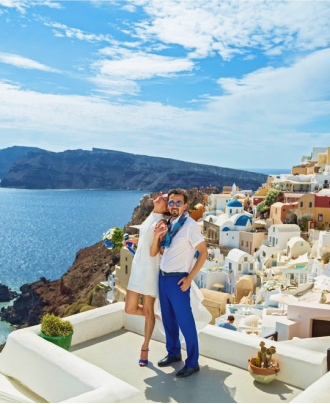
Santorini is the most famous Greek island. And there’s a good reason why. The sunsets here draw people from around the world. The white buildings perched on cliffs create perfect photo opportunities. But there’s much more to Santorini than just pretty pictures.
The island sits on top of an ancient volcano. This volcanic soil creates unique wines you can’t taste anywhere else. The beaches have black, red, and white sand instead of regular yellow sand. Each beach feels completely different from the others.
Oia is the town everyone photographs. The blue-domed churches and narrow streets make it feel like a movie set. But Oia gets very crowded during sunset time. A local specialist knows the best viewpoints where you can watch the sunset without fighting crowds.
Fira is the main town. It has more restaurants and shops than Oia. The cable car from the port up to Fira gives you great views of the caldera. But walking up the 588 steps is quite a workout if you’re feeling adventurous.
The Red Beach Santorini is one of the island’s most unique spots. The red cliffs create a dramatic backdrop for swimming. However, getting there requires a short hike over rocky terrain.
Wine tours in Santorini are special. The vines grow in baskets close to the ground. This protects them from the strong winds. You’ll taste Assyrtiko wine that has a mineral taste from the volcanic soil.
Best for: Couples, luxury travelers, wine lovers, photographers Best time: April to October, but May and September have fewer crowds Travel time from Athens: 5 hours by ferry or 45 minutes by plane
Mykonos: The Party Island with Style

Mykonos is famous for its nightlife. But it’s also one of the most stylish islands in Greece. The town looks like a white maze with narrow streets and colorful doors. You can easily get lost wandering around, but that’s part of the fun.
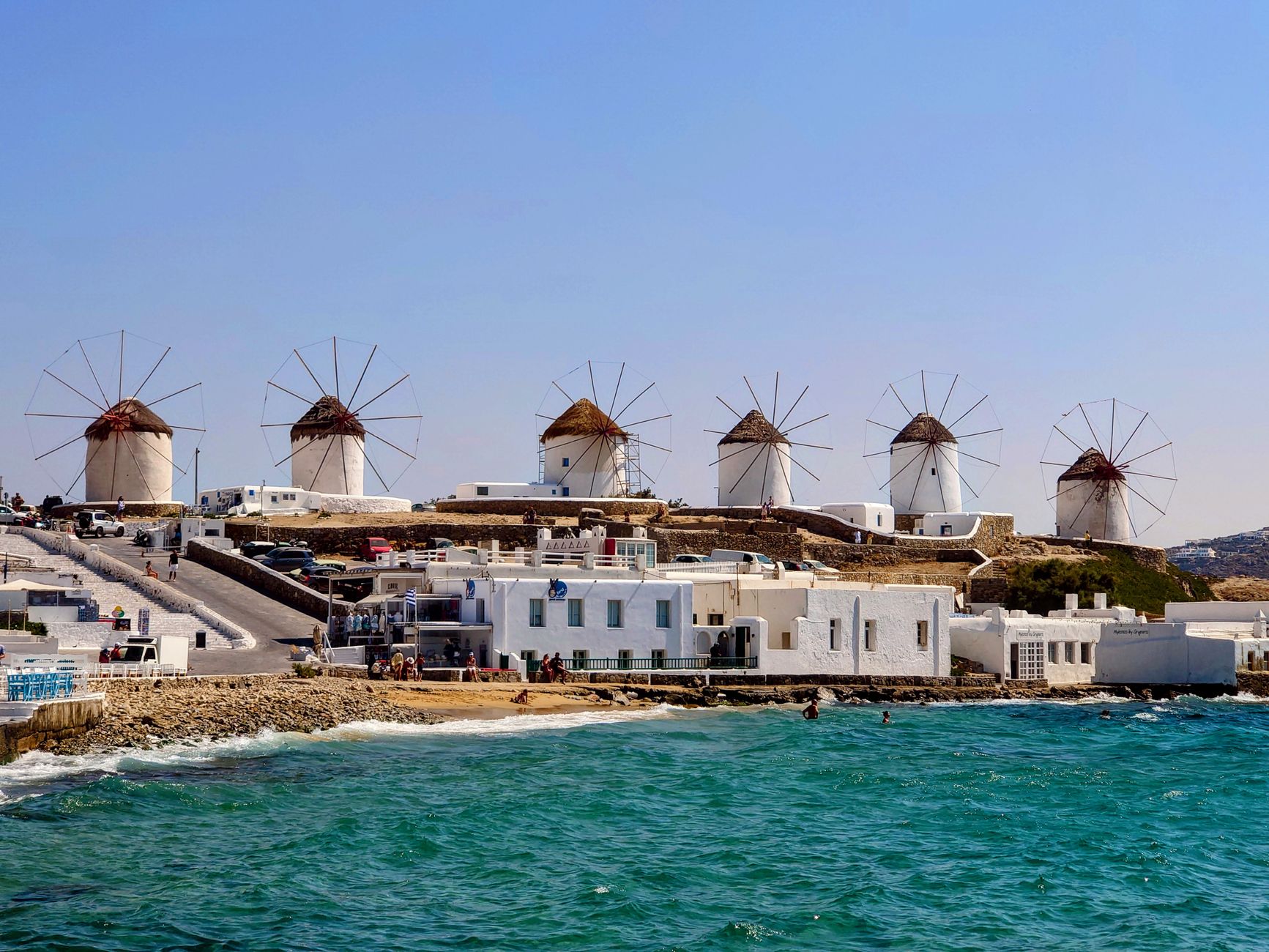
The windmills are the island’s symbol. They sit on a hill overlooking the town and harbor. These old windmills used to grind grain. Now they’re one of the most photographed spots on the island.
Little Venice is a row of houses built right on the water. The waves splash against the buildings during storms. It’s the perfect spot for a sunset drink. But expect to pay more for the view.
The beaches on Mykonos are some of the best in Greece. Paradise Beach and Super Paradise Beach are famous for beach parties. But they also have clear water and soft sand. Mykonos best beaches include quieter options too.
For families, Platis Gialos Beach works better. It has shallow water and beach umbrellas. There are also tavernas right on the beach where kids can eat while parents relax.
The nightlife here is world-famous. Beach clubs turn into dance floors after sunset. But you don’t have to party to enjoy Mykonos. The shopping is excellent. And the seafood restaurants serve some of the freshest fish in Greece.
Best for: Party lovers, luxury travelers, couples, beach enthusiasts Best time: May to September for beach weather, June to August for nightlife Travel time from Athens: 3-5 hours by ferry or 30 minutes by plane
Crete: The Island That Has Everything
Crete is the biggest Greek island. It’s so big that you could spend weeks there and still not see everything. This island has mountains, beaches, ancient ruins, and traditional villages all in one place.
The north coast has the best beaches for families. The water is calmer and the beaches have more facilities. Chania and Rethymno are two beautiful towns with Venetian harbors. The old buildings tell the story of different rulers over the centuries.
Heraklion is the capital and has the famous Knossos Palace. This was the center of the ancient Minoan civilization. The palace has colorful frescoes and a maze-like layout. Things to do in Heraklion include this must-see archaeological site.
The south coast is wilder and less developed. Balos Lagoon is one of the most beautiful beaches in all of Greece. The water is turquoise and shallow. But getting there requires either a boat trip or a hike down a steep path.
Crete has its own food traditions. The cheese here tastes different from other Greek islands. The honey comes from wild herbs that grow in the mountains. And the olive oil is some of the best in the world.
The mountains in the center of Crete offer a different experience. You can hike through gorges and visit traditional villages. The Samaria Gorge is a 16-kilometer hike through a national park. It ends at a black sand beach on the south coast.
Best for: Families, history lovers, hikers, food enthusiasts Best time: April to October, but spring and fall have perfect weather Travel time from Athens: 1 hour by plane or overnight ferry
Paros: The Perfect Balance

Paros is one of the best islands in Greece that many people haven’t heard of. It has beautiful beaches like Mykonos. But it’s not as crowded or expensive. It has traditional villages like the smaller islands. But it has good restaurants and hotels too.
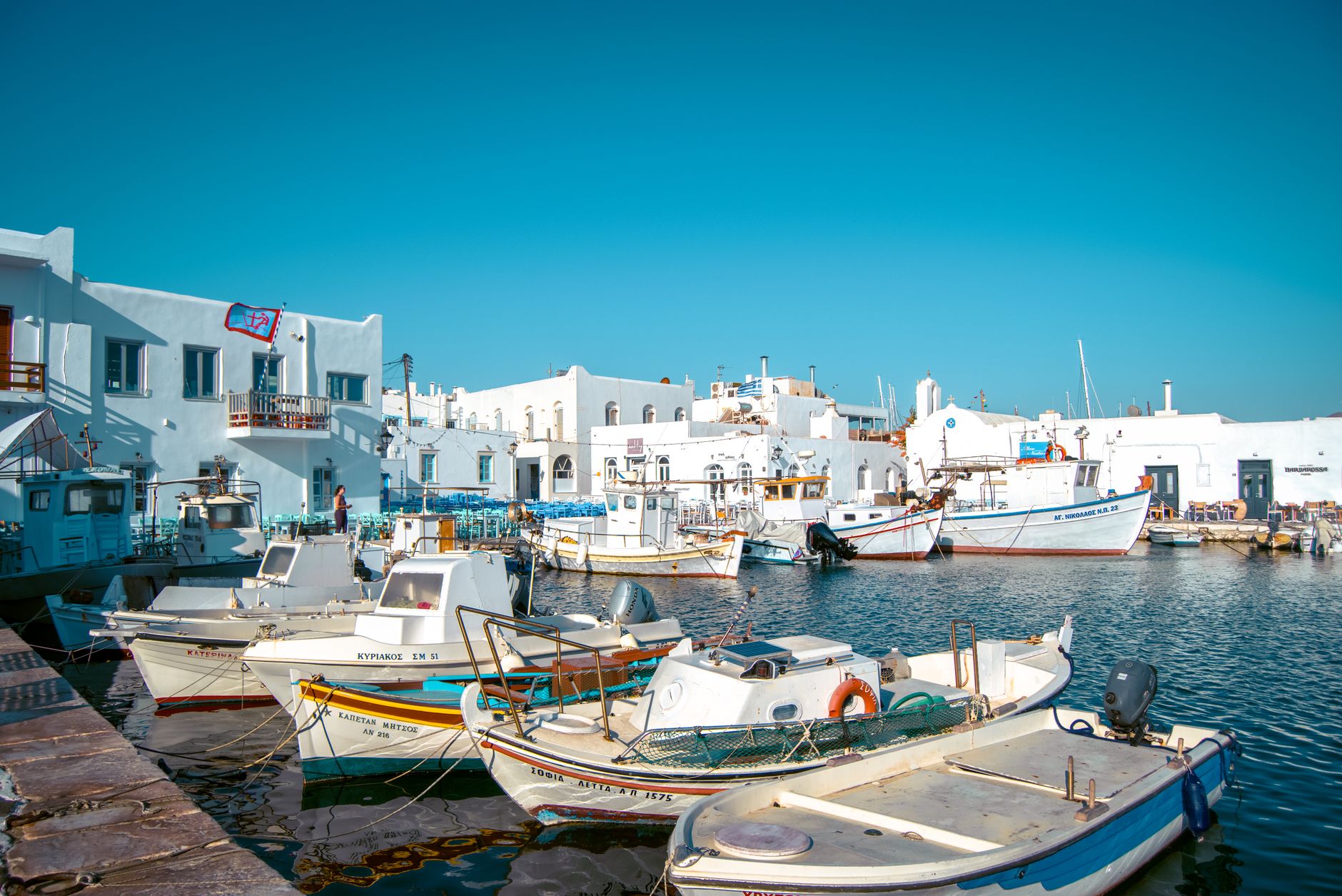
Naoussa is the main fishing village. The harbor is full of colorful boats. The restaurants serve fish caught by local fishermen. At night, the bars fill up with a mix of locals and visitors.
The beaches on Paros work for everyone. Golden Beach is perfect for windsurfing. The wind is strong and consistent. Monastiri Beach is better for families. It has shallow water and a beach bar that serves good food.
Parikia is the main port town. It has one of the oldest churches in Greece. The Panagia Ekatontapiliani dates back to the 4th century. The marble comes from the famous quarries on the island.
Things to do in Paros include visiting traditional villages in the mountains. Lefkes is a white village with narrow streets and great views. It was built away from the coast to hide from pirates.
The marble quarries on Paros are famous throughout history. This marble was used to build the Venus de Milo statue. You can still visit the ancient quarries and see where the marble was cut.
Best for: Couples, families, beach lovers, those seeking authentic Greece Best time: May to September, but April and October are also pleasant Travel time from Athens: 3-4 hours by ferry
Naxos: A Great Island to Visit
Naxos is the biggest island in the Cyclades after Crete. But it feels much less touristy than Santorini or Mykonos. This island has some of the best beaches in Greece. And it has mountains, ancient ruins, and traditional villages too.
The Portara is Naxos’s most famous landmark. It’s a giant marble doorway that’s all that’s left of an ancient temple. It sits on a small island connected to the main town by a walkway. Sunset from the Portara is one of the best views in Greece.
Plaka Beach is 4 kilometers of soft sand and clear water. It’s never crowded, even in summer. There are beach bars and restaurants, but also quiet spots where you can be alone. The water stays shallow for a long way out, making it perfect for kids.
The mountain villages in Naxos are special. Apiranthos is built from marble and has narrow streets. Koronos sits high up with views over the whole island. These villages feel like they haven’t changed in decades.
Naxos makes its own cheese and wine. The graviera cheese is aged in caves. The wine comes from grapes grown in the mountains. A local specialist can arrange visits to family-run farms where you can taste these products.
The ancient sites on Naxos are less crowded than other islands. The Temple of Demeter is perfectly preserved. The Kouros statues are giant marble figures left unfinished in ancient quarries. You can walk right up to them and touch the marble.
Best for: Families, couples, beach lovers, history enthusiasts Best time: May to September, with June and September being ideal Travel time from Athens: 3-6 hours by ferry
Rhodes: The Medieval Island
Rhodes sits close to Turkey in the Dodecanese islands. The medieval old town is a UNESCO World Heritage site. Walking through the cobblestone streets feels like traveling back in time. The walls around the old town are some of the best preserved in Europe.
The Palace of the Grand Master dominates the old town. It was built by the Knights of Rhodes in the 14th century. The rooms are filled with ancient mosaics and medieval furniture. The views from the towers show the whole island.
Lindos is the most beautiful village on Rhodes. The white houses climb up a hill to an ancient acropolis. The temple on top dates back to 300 BC. The beach below has clear water and golden sand.
The beaches on Rhodes work for different types of travelers. The east coast has calmer water and organized beaches. The west coast has stronger waves and is better for surfing. Tsambika Beach is perfect for families with its shallow water and soft sand.
Rhodes has a long history of different cultures. You can see Greek, Roman, Byzantine, and Ottoman influences in the architecture. The food reflects this mix too. You’ll find dishes here that you won’t taste on other Greek islands.
Best for: History lovers, families, couples, culture enthusiasts Best time: April to October, with May and September being perfect Travel time from Athens: 1 hour by plane or 12-15 hours by ferry
Corfu: The Green Island
Corfu is different from other Greek islands. It’s much greener because it gets more rain. The olive trees are huge and ancient. The beaches have a different character too, with pebbles and dramatic cliffs.
Corfu Town is a mix of Venetian, French, and British architecture. The Liston is a row of cafes modeled after the Rue de Rivoli in Paris. The old fortress protects the harbor and has great views over the town.
Paleokastritsa is the most famous beach area on Corfu. The water is incredibly clear and deep blue. There are several small beaches connected by walking paths. The monastery on the hill above has been there for over 700 years.
The north coast of Corfu has some of the most beautiful beaches in Greece. Sidari has unusual rock formations and small coves. Canal d’Amour is a narrow channel between rocks where couples traditionally swim together.
Corfu has a strong musical tradition. The island has more bands per capita than anywhere else in Greece. You might hear classical music concerts in the old town squares. The influence comes from the Italian and French periods in the island’s history.
Best for: Families, couples, nature lovers, music enthusiasts Best time: May to September, with June and September being ideal Travel time from Athens: 1.5 hours by plane or 8-10 hours by ferry
Milos: The Volcanic Wonder
Milos is one of the most unique islands in Greece. The volcanic activity created landscapes you won’t see anywhere else. The beaches have different colored sand and rocks. Some beaches even have hot springs where volcanic water meets the sea.
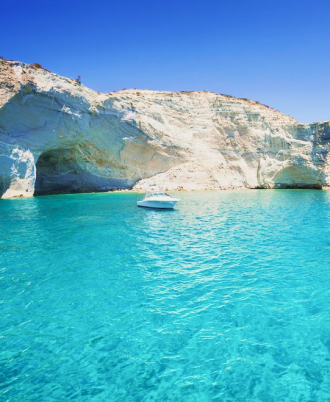
Sarakiniko Beach is the most famous spot on Milos. The white cliffs look like the moon’s surface. The contrast with the blue water makes it feel strange and different. It’s become one of the most photographed places in Greece.
Klima is a fishing village where the houses are built right on the water. Each house has a different bright color. The boats are pulled up right in front of the houses. It’s one of the most charming villages in all the Greek islands.
The hot springs at Paleochori Beach are natural. The volcanic activity heats the water underground. You can feel the warm water mixing with the cold sea water. Some spots are too hot to touch, so local knowledge helps find the perfect temperature.
Milos has over 70 beaches. Many of them are only accessible by boat or hiking. A local specialist knows which beaches work best for your group. They can arrange boat trips to the most remote and beautiful spots.
Best for: Couples, photographers, geology fans, people who like adventure Best time: May to September, with June and September being perfect Travel time from Athens: 3-7 hours by ferry
Zakynthos: The Turtle Island
Zakynthos is famous for Navagio Beach, also called Shipwreck Beach. A rusty ship sits on white sand surrounded by towering cliffs. You can only reach it by boat. The water is so blue it looks fake in photos.
But Zakynthos has much more than just one famous beach. It’s also one of the most important nesting sites for loggerhead sea turtles in the Mediterranean. The turtles come to lay eggs on the southern beaches from May to August.
Laganas Bay is where most of the turtle nesting happens. The beaches here are protected, so there are rules about when and where you can swim. A local specialist knows the best times to see turtles without disturbing them.
The Blue Caves on the north coast are another natural wonder. The sea has carved caves into the white cliffs. When the sun shines through the water, it creates an incredible blue light inside the caves. You can swim inside some of them.
Zakynthos Town has Venetian architecture and a relaxed atmosphere. The main square has cafes where you can watch local life. The church of St. Dionysios has beautiful frescoes and is an important pilgrimage site.
Best for: Nature lovers, families, photographers, marine life enthusiasts Best time: May to September, with June and July best for turtle watching Travel time from Athens: 5-6 hours by ferry or 1 hour by plane
How to Choose the Right Islands for You
Picking the best Greek islands for your trip depends on several factors. First, think about what you want most from your vacation. Do you want to relax on beaches? Explore ancient history? Experience nightlife? Or see traditional Greek culture?
For first-time visitors, Santorini and Mykonos are good choices for a reason. They have the Greek island look that most people think of. But they’re also the most crowded and expensive.
Families with young children should consider Crete, Paros, or Naxos. These islands have calmer beaches and more space to spread out. They also have activities that work for different ages.
Couples looking for romance might prefer Santorini for the sunsets or Milos for the unique landscapes. Paros offers a good balance of beauty and authenticity without the crowds.
History lovers should definitely include Crete and Rhodes. These islands have the most significant archaeological sites. But every Greek island has some ancient ruins to explore.
The best time to visit Greece affects which islands work best too. Some islands are better in shoulder seasons when the weather is still good but crowds are smaller.
Island Hopping Tips
Many travelers want to visit multiple islands during their trip. Island hopping can be amazing, but it requires good planning. Ferry schedules change based on the season. Some routes only run in summer.
The most popular island hopping route connects Mykonos, Paros, Naxos, and Santorini. These islands are close together and have frequent ferry connections. You can easily spend 3-4 days on each island.
Another good route includes Crete, Santorini, and Mykonos. This gives you variety – a large island with mountains and history, plus two classic Cycladic islands.
For a less touristy experience, try Paros, Naxos, and Milos. These islands are authentic but still have good facilities. The ferry connections work well too.
A local travel specialist can plan your island hopping route based on ferry schedules. They know which connections are reliable and which ones might get canceled in bad weather. They can also arrange private transfers when ferries don’t match your schedule.
What to Pack for Greek Islands
Packing for Greek islands is pretty straightforward. The weather is warm and dry for most of the tourist season. But there are a few specific things to consider.
Bring good walking shoes. Many island towns have cobblestone streets and uneven paths. Flip-flops are fine for the beach, but you’ll want something more supportive for exploring.
Sun protection is critical. The sun reflects off the white buildings and water, making it stronger than you might expect. Bring a hat, sunglasses, and plenty of sunscreen.
A light jacket or sweater is useful for evenings, especially in spring and fall. The temperature can drop when the sun goes down, and the wind can be strong.
If you plan to visit churches or monasteries, bring clothes that cover your shoulders and knees. Many religious sites have dress codes, and some provide coverings if you don’t have appropriate clothes.
A waterproof bag is handy for beach days and boat trips. You’ll want to protect your phone and camera from water and sand.
Getting Around the Islands
Each island has different transportation options. Some have good bus systems, while others require rental cars or scooters to get around easily.
Santorini has buses that connect the main towns and beaches. But they can get very crowded in summer. Many people rent ATVs or cars to have more freedom.
Mykonos is small enough to walk around the main town. But you’ll need transportation to reach the beaches. Buses run regularly, or you can take taxis.
Crete is big enough that you’ll definitely want a rental car. The bus system exists but doesn’t reach all the best spots. Having a car lets you explore mountain villages and remote beaches.
Smaller islands like Paros and Naxos have bus systems that work for basic transportation. But a rental car or scooter gives you much more flexibility.
A local travel specialist can arrange all your transportation in advance. They know which rental companies are reliable and can arrange transfers that match your ferry arrivals.
Food and Dining on Greek Islands
Greek island food is simple but delicious. The ingredients are fresh and local. Each island has its own specialties based on what grows or is caught there.
Seafood is obviously a highlight. The fish is caught daily by local fishermen. Grilled octopus, fried calamari, and whole fish are common on every island. But the preparation and seasoning can vary between islands.
Each island makes its own cheese and wine. Santorini’s volcanic soil creates unique wines. Naxos is famous for its graviera cheese. Crete has dozens of local cheese varieties.
Tavernas are the traditional Greek restaurants. They’re usually family-run and serve simple, home-style food. The best ones are often away from the main tourist areas.
Beach tavernas are special to the islands. You can eat fresh fish with your feet in the sand. Many serve food that’s been cooked in wood-fired ovens right on the beach.
A local specialist knows which restaurants serve the most authentic food. They can also arrange cooking classes where you learn to make traditional dishes with local families.
Accommodation Options
Greek islands offer every type of accommodation from budget hostels to luxury resorts. The choice depends on your budget and what kind of experience you want.
Traditional hotels in island towns put you close to restaurants and nightlife. Many are in converted old buildings with character and charm. But they might not have pools or beach access.
Beach resorts offer more facilities like pools, spas, and direct beach access. They’re usually more expensive but provide a complete vacation experience in one place.
Villas and vacation rentals work well for families or groups. You get more space and can cook some of your own meals. Many have pools and great views.
Boutique hotels combine luxury with local character. They’re usually smaller and more personal than big resorts. Many are in restored traditional buildings.
A local travel specialist can recommend accommodations that match your style and budget. They know which hotels have the best locations and which ones provide the best value.
Travel conditions can change — we recommend confirming details with a local specialist before your trip.
Frequently Asked Questions
Which Greek island is best for first-time visitors? Santorini and Mykonos are the most popular choices for first-time visitors. They have the classic Greek island look with white buildings and blue seas. However, they’re also the most crowded and expensive. Paros offers a good balance of beauty and authenticity with fewer crowds.
What’s the best time to visit Greek islands? May through September is the main season for Greek islands. June and September offer the best balance of good weather and smaller crowds. July and August are the hottest and most crowded months. April and October can be pleasant but some restaurants and hotels might be closed.
How many islands should I visit in one trip? For a first trip, 2-3 islands work well. This gives you time to really experience each place without spending too much time on ferries. If you have two weeks, you could comfortably visit 4-5 islands. Remember that travel days between islands take time away from exploring.
Are Greek islands good for families with children? Yes, many Greek islands are excellent for families. Crete, Paros, and Naxos have calm beaches and family-friendly facilities. Greek culture is very welcoming to children. Most restaurants are happy to accommodate families, and many beaches have shallow water perfect for kids.
Do I need to rent a car on Greek islands? It depends on the island and what you want to do. Smaller islands like Mykonos can be explored without a car. Larger islands like Crete really benefit from having a car to reach the best beaches and mountain villages. A local specialist can advise based on your specific itinerary and interests.