
Greece is home to some amazing animals. From sea turtles that nest on quiet beaches to wild goats that climb steep cliffs, the animals in Greece will surprise you. Many travelers come for the history and beaches. But the wildlife adds another layer to your trip.
A local travel specialist can show you the best spots to see these animals. They know when and where to look. And they understand how to watch wildlife without disturbing it. This makes your experience better for you and safer for the animals.
Greece has over 900 animal species. Some live only here, while others visit during migration. The country sits between Europe, Asia, and Africa. This location makes it a crossroads for wildlife. As a result, you’ll see animals from all three continents.
Why Greece Has Such Rich Wildlife
Greece’s location creates perfect conditions for wildlife. The Mediterranean climate means mild winters and warm summers. This works well for many species. Additionally, the country has mountains, forests, wetlands, and thousands of islands. Each habitat supports different animals.
The sea around Greece is part of the Mediterranean. It connects to the Atlantic and Black Sea. Fish, dolphins, and sea turtles move through these waters. Many stop in Greece to feed or breed.
Greece also sits on major bird migration routes. Millions of birds pass through each spring and fall. Some stay for the summer. Others just rest before continuing their journey.
The mountains create isolated areas. Animals that live there often develop into unique species. Similarly, the islands work the same way. Each island can have its own version of common animals.
Land Animals You’ll See in Greece
Wild Goats and Sheep
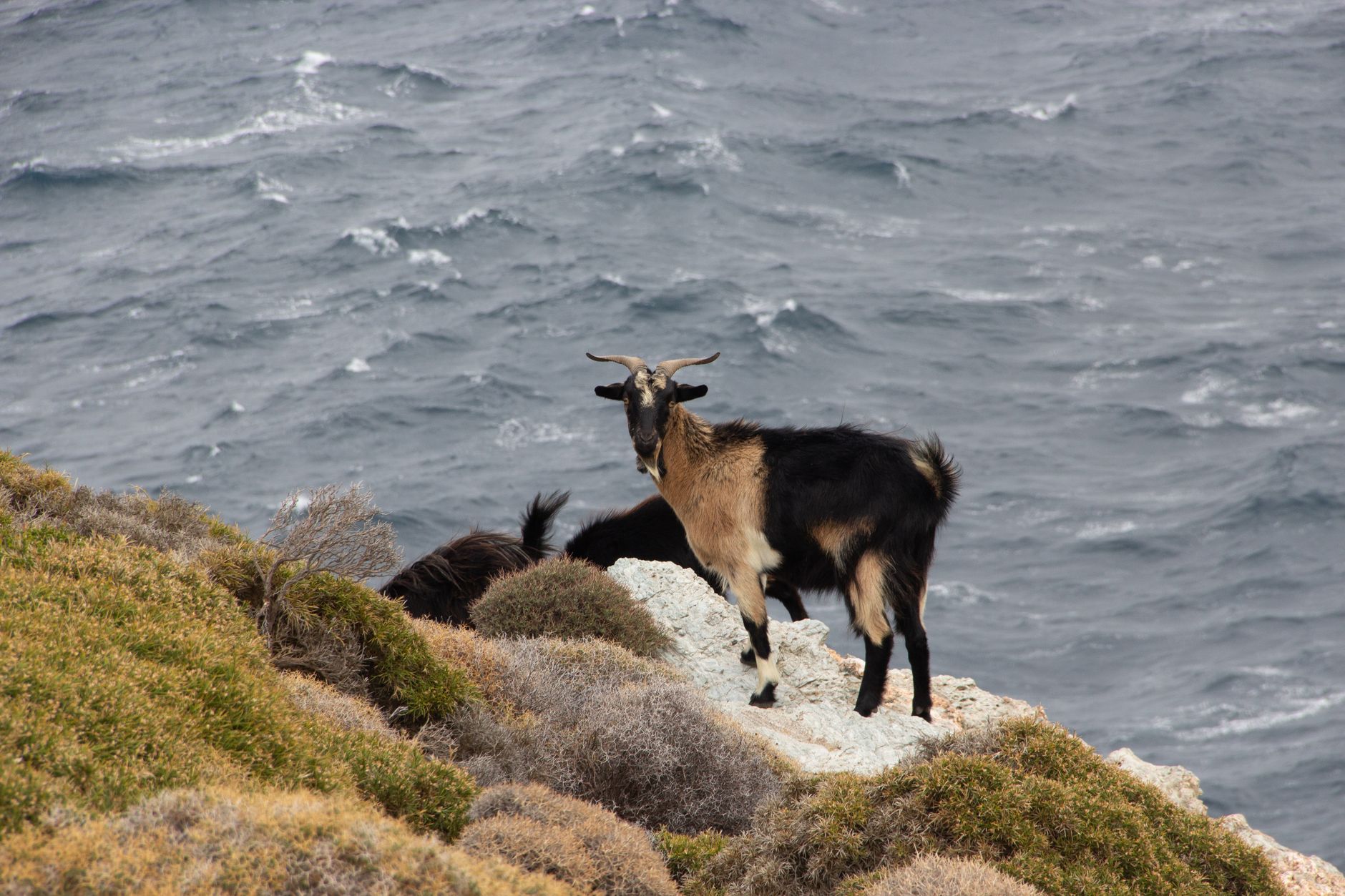
The Kri-Kri goat lives only in Crete and a few small islands. These wild goats have long, curved horns. In fact, they’re excellent climbers. You’ll see them on steep cliffs that seem impossible to reach.
Crete has about 2,000 Kri-Kri goats left. Most live in the White Mountains and Samaria Gorge. A local specialist can take you to the best viewing spots. Early morning and late afternoon are the best times to see them.
Wild sheep also live in the mountains. They’re bigger than the goats but just as good at climbing. The males have large, spiral horns. During mating season in fall, you can hear them fighting from far away.
Bears and Wolves
Brown bears still live in northern Greece. There are only about 200 left. They live in the mountains near the borders with Albania and Bulgaria. Most travelers won’t see them. But knowing they’re there adds excitement to mountain hikes.
Wolves also live in northern Greece. They’re very shy and mostly active at night. You might hear them howling in the evening. A few packs live in the Pindus Mountains.
Both bears and wolves avoid people. However, a local guide knows how to look for signs of them. Fresh tracks, scratches on trees, and droppings tell you they’re around.
Smaller Mountain Animals
Wild boar live throughout Greece’s forests. They’re most active at dawn and dusk. You’ll often see them crossing roads in mountain areas. They can be dangerous if surprised, so it’s best to watch from a distance.
Red deer live in some forests. The males grow large antlers each year. During fall, they make loud calls to attract mates. This is called rutting season.
Jackals have returned to Greece in recent years. They look like small wolves. In fact, they’re very adaptable and eat almost anything. You might see them near farms or even towns.
Reptiles and Amphibians
Greece has many types of lizards. The largest is the Balkan green lizard. It can grow over a foot long. These bright green lizards sun themselves on rocks during the day.
Several types of geckos live in Greece. You’ll often see them on walls at night. They hunt insects attracted to lights. The Turkish gecko is the most common.
Greece has both poisonous and non-poisonous snakes. The nose-horned viper is the most dangerous. However, snake bites are very rare. Most snakes avoid people. A local specialist can teach you which ones to watch for.
Loggerhead sea turtles nest on many Greek beaches. The females come ashore at night to lay eggs. Zakynthos has some of the most important nesting beaches in the Mediterranean.
Marine Life in Greek Waters

Sea Turtles
Loggerhead sea turtles are the stars of Greek marine life. These large turtles can weigh over 250 pounds. In fact, they’ve been coming to Greek beaches for thousands of years.
The turtles mate in the waters around Greece. Then the females swim to beaches to nest. They dig holes in the sand and lay about 100 eggs. The eggs hatch after two months.
Zakynthos has the most important nesting beaches. But you can also see turtles around Crete, Peloponnese, and other islands. A local specialist knows the best spots and times to see them without disturbing the nesting.
Swimming with sea turtles is possible in some areas. But it requires careful planning. The turtles are protected by law. You need to follow strict rules about distance and behavior.
Dolphins and Whales
Several types of dolphins live in Greek waters. Bottlenose dolphins are the most common. You’ll often see them playing in the wake of boats. They’re curious about humans and sometimes approach swimmers.
Striped dolphins also live here. They’re smaller and more colorful than bottlenose dolphins. They often travel in large groups. Sometimes you’ll see hundreds together.
Pilot whales pass through Greek waters. These aren’t true whales but large dolphins. They can be over 20 feet long. Sperm whales also visit, especially in deeper waters.
The best way to see marine mammals is on a boat trip. A local specialist can arrange trips that follow responsible wildlife watching rules. Spring and summer are the best times.
The Rare Mediterranean Monk Seal
The Mediterranean monk seal is one of the world’s rarest animals. Only about 700 exist worldwide. Greece has the largest population, with about 300 seals.
These seals are very shy. They live in sea caves and remote beaches. Most people never see them. But a few areas offer chances for careful viewing.
The seals can live over 40 years. They eat fish and octopus. Females have one pup every two years. The pups are born with black fur that turns brown as they grow.
Alonissos island has a marine park that protects monk seals. Boat trips from the island sometimes spot seals. But sightings are never guaranteed. The seals’ survival depends on not being disturbed.
Fish and Other Sea Life
Greek waters have hundreds of fish species. Grouper, sea bass, and bream are common. Additionally, tuna and swordfish pass through during migration.
Octopus live in rocky areas near shore. You might see them while snorkeling. They’re very intelligent and can change color instantly. Local fishermen have caught octopus here for thousands of years.
Sea urchins cover many rocky areas. Their spines are sharp, so watch where you step. But they’re an important part of the ecosystem. Many fish eat them.
Jellyfish appear in Greek waters, especially in summer. Most are harmless. But a few species can sting. A local guide knows which ones to avoid and when they’re most common.
Birds of Greece

Birds of Prey
Golden eagles soar over Greek mountains. These powerful birds hunt mammals and other birds. They build huge nests on cliff faces. The nests can be used for many years.
Peregrine falcons are the fastest birds in the world. They dive at over 200 miles per hour to catch prey. You’ll see them on cliffs and tall buildings. They’ve adapted well to city life.
Buzzards are common throughout Greece. They’re smaller than eagles but still impressive. They often perch on telephone poles along roads. You’ll see them hunting in open fields.
Several types of owls live in Greece. The little owl is the symbol of Athens. These small owls are active during the day. Meanwhile, eagle owls are much larger and hunt at night.
Water Birds
Flamingos visit Greece during winter. They gather in large flocks in wetlands and salt lakes. Lake Trichonis and the Evros Delta are the best places to see them.
Pelicans live along the coast year-round. The Dalmatian pelican is huge, with a wingspan over 10 feet. They fish in groups, working together to herd fish into shallow water.
Many types of herons live in Greek wetlands. The grey heron is the largest. It stands perfectly still while hunting fish. The purple heron is more colorful but harder to see.
Cormorants are excellent divers. They swim underwater to catch fish. After fishing, they spread their wings to dry. You’ll see them on rocks and piers throughout the islands.
Migrating Birds
Greece sits on the main migration route between Europe and Africa. Millions of birds pass through each spring and fall. Some species stop for weeks to rest and feed.
Storks are easy to spot during migration. They fly in large groups and often rest on buildings. White storks are more common than black storks.
Many types of warblers pass through Greece. These small birds are hard to identify but beautiful to watch. They feed constantly during migration to build up energy.
Birds of prey also migrate through Greece. Hawks, eagles, and falcons funnel through mountain passes. The island of Antikythera is famous for bird watching during migration.
Seasonal Wildlife Watching
Spring Wildlife (March to May)
Spring is the best time to see animals in Greece. The weather is mild and many animals are active. Flowers bloom everywhere, attracting insects and the animals that eat them.
Sea turtles start arriving at nesting beaches in May. The first nests appear on Zakynthos and other islands. This is also when many birds return from Africa.
Wild goats have their babies in spring. You’ll see kids following their mothers on steep cliffs. They’re playful and fun to watch.
Mountain streams are full of water from winter rains. This attracts many animals to drink. As a result, it’s a great time for wildlife photography.
Summer Wildlife (June to August)
Summer is turtle nesting season. Female loggerheads come ashore at night to lay eggs. This happens from June through August. A local specialist can arrange safe turtle watching tours.
Many birds raise their young in summer. You’ll see parents feeding chicks in nests. Seabirds are especially active around the islands.
Dolphins are most active in summer. The warm water brings lots of fish. This makes boat trips more likely to spot marine mammals.
Summer is also when most insects are active. This attracts bats, which hunt at dusk. You’ll see them flying around lights in towns and villages.
Fall Wildlife (September to November)
Fall migration brings millions of birds through Greece. The islands become stopping points for tired travelers. Bird watching is excellent during this time.
Sea turtle eggs start hatching in September. Baby turtles dig out of the sand and race to the sea. This usually happens at night. It’s an amazing sight but requires careful planning to avoid disturbing them.
Wild animals prepare for winter in fall. Bears eat constantly to build up fat. Similarly, deer and goats grow thicker coats.
The weather is still good for wildlife watching in fall. And there are fewer tourists, so animals are less disturbed.
Winter Wildlife (December to February)
Winter is the quiet season for wildlife watching. Many animals are less active. But some species are easier to see because vegetation dies back.
Flamingos arrive in winter. They gather in large flocks in wetlands. This is the best time to see these pink birds in Greece.
Seals are more likely to come ashore in winter. They use beaches for resting when fewer people are around. But they’re still very shy.
Mountain animals come to lower elevations in winter. You might see wild goats and sheep closer to roads and villages.
Where to See Wildlife in Greece
The Greek Islands
Each island group has different animals. The Ionian Islands have the most important sea turtle nesting beaches. Zakynthos is the most famous, but Kefalonia and others also host nesting turtles.
The Cyclades have unique island species. Some islands have their own types of lizards and insects. The dry climate creates different habitats than the mainland.
Crete is large enough to have many habitats. The mountains have wild goats and birds of prey. The coasts have sea turtles and dolphins. The island also has some animals found nowhere else.
The Dodecanese islands are close to Turkey. This creates a mix of European and Asian species. Rhodes has good bird watching, especially during migration.
Mainland Greece
Northern Greece has the largest mammals. Bears and wolves live in the mountains near the borders. The Prespa Lakes area is excellent for bird watching.
Central Greece has the famous Meteora monasteries. The area around them is good for birds of prey. Eagles and falcons nest on the rock pillars.
The Peloponnese has diverse wildlife. Mountains, forests, and coasts create many different habitats. The Mani Peninsula has good bird watching.
Western Greece has important wetlands. The Messolonghi lagoons attract thousands of water birds. Flamingos and pelicans are common here.
National Parks and Protected Areas
Greece has several national parks that protect wildlife. Samaria Gorge in Crete is famous for wild goats. The gorge is 16 kilometers long and takes most of a day to hike.
Mount Olympus National Park has diverse mountain wildlife. Bears, wolves, and many birds live here. The park has good hiking trails with chances to see animals.
The Prespa Lakes National Park protects important wetlands. Over 260 bird species live here or pass through. Pelicans breed on small islands in the lakes.
Alonissos Marine Park protects monk seals and other marine life. Boat trips from the island offer chances to see dolphins and seals.
Wildlife Photography Tips
Best Times for Photos
Early morning and late afternoon give the best light for wildlife photos. Animals are also more active during these times. The harsh midday sun creates poor photos and makes animals hide.
Overcast days can be good for photography. The soft light reduces harsh shadows. And animals often stay active longer when it’s not too hot.
During migration seasons, you’ll have more chances for bird photos. But you need to be patient. Birds don’t always cooperate with photographers.
Equipment and Techniques
A telephoto lens is essential for wildlife photography in Greece. Animals are often far away or shy. A 300mm lens is the minimum for good wildlife shots.
Bring extra batteries and memory cards. Wildlife photography often means long waits. You don’t want to miss a great shot because your camera died.
Learn about the animals before you go. Understanding their behavior helps you predict what they’ll do next. This leads to better photos.
A local specialist can position you for the best shots. They know where animals appear and when. This saves time and increases your chances of success.
Ethical Wildlife Photography
Never disturb animals for a photo. Getting too close stresses them and can be dangerous for you. Use a long lens and keep your distance.
Don’t use flash photography with wild animals. It can blind them temporarily and affect their behavior. However, modern cameras work well in low light without flash.
Follow all local rules about wildlife viewing. Some areas have restrictions during breeding seasons. A local guide knows these rules and helps you follow them.
Share your photos responsibly. Don’t reveal exact locations of rare animals. This protects them from too much attention.
Conservation in Greece
Protecting Sea Turtles
Sea turtle conservation is a major effort in Greece. Volunteers monitor nesting beaches every night during the season. They protect nests from predators and human disturbance.
Light pollution is a big problem for sea turtles. Baby turtles use moonlight to find the sea. However, artificial lights confuse them and they crawl the wrong direction. Many beaches now have special lighting rules.
Boat strikes injure many sea turtles. Speed limits in nesting areas help reduce this problem. A local specialist uses boats that follow all protection rules.
Plastic pollution also threatens sea turtles. They often mistake plastic bags for jellyfish and eat them. This can kill them. Beach cleanups help reduce this problem.
Saving the Monk Seal
Monk seal conservation requires protecting their habitat. The seals need quiet caves and beaches for resting and breeding. Unfortunately, tourism development threatens these areas.
Fishing nets kill many monk seals. They get tangled and drown. Working with fishermen to use safer nets helps reduce this problem.
Education is important for monk seal conservation. Many people don’t know how rare these seals are. Learning about them helps people support protection efforts.
Research helps scientists understand monk seal needs. Tracking their movements shows which areas are most important. This guides conservation efforts.
Protecting Birds
Habitat loss is the biggest threat to birds in Greece. Wetlands are drained for development. Forests are cut for agriculture. Protecting key areas is essential.
Hunting affects some bird species. Greece has hunting seasons and bag limits. But enforcement can be difficult in remote areas.
Wind farms can kill birds, especially during migration. Careful planning of wind farm locations helps reduce this problem.
Climate change affects bird migration timing. Warmer temperatures change when insects appear. Birds that depend on these insects for food can struggle.
Planning Your Wildlife Trip
Working with a Local Specialist
A local travel specialist makes wildlife watching much better. They know where animals are and when to look for them. This saves you time and increases your chances of seeing wildlife.
Local specialists also understand animal behavior. They know how to approach wildlife safely. This protects both you and the animals.
They can arrange special experiences like turtle watching tours or bird photography trips. However, these require permits and local knowledge that most visitors don’t have.
A specialist can also adjust your itinerary based on conditions. If weather affects wildlife activity, they know alternative plans.
What to Pack for Wildlife Watching
Binoculars are essential for wildlife watching in Greece. Even small, lightweight ones make a big difference. You’ll see much more detail and can watch from a safe distance.
Comfortable walking shoes are important. Much wildlife watching involves hiking on uneven terrain. Good shoes prevent injuries and make the experience more enjoyable.
Sun protection is crucial in Greece. Bring a hat, sunglasses, and sunscreen. You’ll often be in open areas with no shade.
A small backpack carries water, snacks, and equipment. Wildlife watching often means long waits. Having supplies keeps you comfortable.
Best Seasons for Different Animals
Sea turtles are best seen from May through October. Nesting happens June through August. Then, hatching occurs September through October.
Birds are most diverse during migration seasons. Spring migration is March through May. Fall migration is September through November.
Marine mammals are most active in summer. The warm water brings more fish, which attracts dolphins and whales.
Mountain animals are easier to see in spring and fall. Summer heat makes them less active during the day. Yet, winter weather can make access difficult.
Travel conditions can change — we recommend confirming details with a local specialist before your trip.
Frequently Asked Questions
What dangerous animals live in Greece?
Greece has very few dangerous animals. The nose-horned viper is the only poisonous snake, but bites are extremely rare. Brown bears and wolves live in northern mountains but avoid people. Sea urchins can cause painful stings if stepped on. A local specialist knows how to avoid any risks and what to watch for in different areas.
When is the best time to see sea turtles in Greece?
Sea turtle nesting season runs from May through August, with peak activity in June and July. Baby turtles hatch from September through October. The best viewing happens at night when females come ashore to nest. A local specialist can arrange safe turtle watching tours that follow protection rules and don’t disturb the animals.
Can you swim with dolphins in Greece?
Dolphins live in Greek waters year-round, but swimming with wild dolphins isn’t recommended. It can stress the animals and is often illegal in protected areas. Boat trips offer the best way to see dolphins safely. A local specialist can arrange responsible dolphin watching tours that follow wildlife protection guidelines.
Where can you see the rare Mediterranean monk seals?
Mediterranean monk seals live around several Greek islands, especially in the Northern Sporades. Alonissos Marine Park offers the best chances for sightings, though they’re never guaranteed. These seals are extremely shy and endangered. A local specialist knows the best viewing areas and times while respecting the seals’ need for space.
What wildlife can families with children see easily?
Families can easily see sea turtles at nesting beaches, dolphins on boat trips, and various birds throughout the islands. Wild goats on Crete are exciting for kids to spot. Also, many animals are active during family-friendly hours. A local specialist can plan wildlife experiences that work well for children’s attention spans and safety needs.