
Mykonos is one of Greece’s most recognizable islands, known for Cycladic architecture, bright light, and a social rhythm that changes with the seasons. Whitewashed houses cluster around the harbor, windmills stand above the sea, and beaches wrap around the island in quick succession. While Mykonos often carries a reputation for summer energy, the reality is more nuanced. The best time to travel to Mykonos depends on what you want most from the island: warmth or space, quiet mornings or late nights, easier prices or full seasonal choice.
Unlike larger islands, Mykonos feels seasonal in a very visible way. Restaurants, beach clubs, ferry schedules, and even daily routines shift from month to month. Weather patterns also play a role, especially wind, which shapes beach conditions and comfort. Understanding how Mykonos changes through the year allows you to plan a visit that works with the island rather than against it.
This guide explores the best time to travel to Mykonos by season, focusing on weather, crowds, atmosphere, and practical considerations. The goal is to help you choose the moment that aligns with your pace and priorities, not just the island’s reputation.
Spring: March to May — Quiet Energy and Comfortable Exploration
Spring marks the gradual reopening of Mykonos after winter. The island feels fresh and spacious, with low vegetation turning green and light spreading evenly across the hills. March begins cool, with daytime temperatures suitable for walking and sightseeing rather than swimming. By April and May, days grow warmer and more stable, though evenings often still require a light jacket.
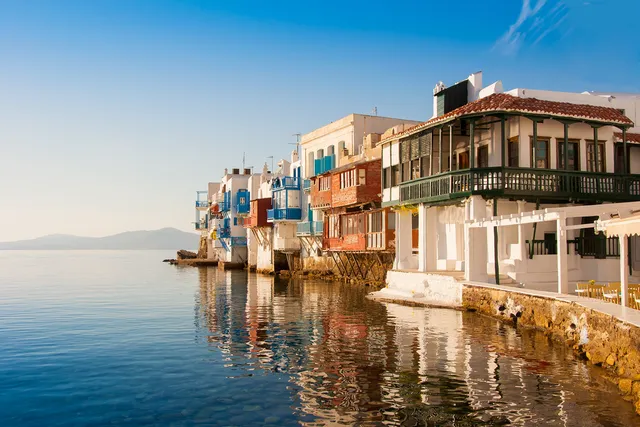
Spring is often considered the best time to travel to Mykonos if you want room to move. The island remains calm, and streets in Mykonos Town feel navigable rather than crowded. You can explore Little Venice, the windmills, and the old harbor without competing for space. Restaurants reopen steadily, and service tends to feel more personal during this period.
Beach conditions vary in spring. The sea remains cool through April, and most travelers focus on coastal walks rather than long swims. By May, water temperatures rise, and beach clubs begin preparing for summer operations. Southern beaches stay more sheltered from wind, making them more appealing earlier in the season.
Spring suits travelers who value balance. You experience Mykonos with enough activity to feel alive but without the intensity of peak season. The island feels authentic and open, offering a chance to understand its layout and rhythms before summer crowds arrive.
Early Summer: June — Warm Seas and Building Momentum
June represents a transition month in Mykonos. Weather stabilizes, days lengthen, and the sea becomes consistently warm enough for comfortable swimming. The island’s infrastructure moves into full operation, with beach clubs, restaurants, and boat services running complete schedules.
This period is one of the best times to travel to Mykonos for travelers seeking summer conditions without maximum density. Crowds increase compared to May, but the island does not yet feel compressed. Beaches remain accessible, and reservations are easier to secure than later in the season.
Wind patterns also tend to be milder in June compared to July and August. This improves conditions for swimming, sailing, and beach time, especially on the north and west coasts. Evenings feel lively without becoming overwhelming, and nightlife builds gradually rather than peaking suddenly.
June works well for couples and travelers who want warmth and atmosphere without sacrificing comfort. You enjoy the full Mykonos experience while still maintaining flexibility in planning and movement.
High Summer: July to August — Peak Energy and Maximum Visibility
July and August define Mykonos in the global imagination. These months bring strong sun, clear skies, and long days that stretch well into evening. The sea reaches its warmest point, making swimming, boating, and water activities central to daily life.
This is the best time to travel to Mykonos if your priority is social energy. Beach clubs operate at full intensity, nightlife runs late, and the island hosts an international crowd. Every venue is open, and choice feels unlimited. The atmosphere carries momentum from morning through night.
Alongside these advantages come challenges. Crowds peak, especially in Mykonos Town and popular beaches. Roads become busy, parking tightens, and reservations become essential. Prices rise across accommodation, dining, and transportation, reflecting demand rather than quality alone.
Wind also becomes a factor. The Meltemi winds often appear in July and August, especially affecting northern beaches. Southern beaches remain calmer, which concentrates visitors in those areas. Planning beach days around wind conditions becomes important.
High summer suits travelers who want Mykonos at full volume. If you thrive on movement, sound, and shared experience, these months deliver what the island is known for. Planning ahead and pacing your days carefully helps balance intensity with enjoyment.
Early Autumn: September — Warm Water and Improved Balance
September often stands out as a favorite month for experienced Mykonos travelers. The sea retains summer warmth, but crowds begin to thin as August ends. Weather remains stable, with fewer extreme winds and comfortable daytime temperatures.
This period is widely considered the best time to travel to Mykonos for balance. You can swim comfortably, enjoy boat trips, and dine outdoors without the pressure of peak season. Beaches feel more spacious, and Mykonos Town regains a sense of flow.
Prices start to ease slightly, and availability improves across hotels and restaurants. The island still operates at full service, so you do not sacrifice choice or quality. Light softens in September, giving evenings a calmer tone that many travelers appreciate.
September suits travelers who want summer conditions without summer intensity. You experience Mykonos as lively but manageable, social but not crowded.
Late Autumn: October to November — Calm Streets and Seasonal Transition
October marks a gradual slowdown in Mykonos. Early in the month, weather often remains pleasant, and swimming stays possible, especially on calm days. As the month progresses, temperatures cool and winds increase. By November, the island begins closing down for winter.
This season appeals to travelers who value quiet. Streets open up, beaches empty, and the island’s physical beauty becomes more apparent without constant movement. Many seasonal businesses close, though core restaurants and cafés remain open for locals.
Ferry schedules reduce, and island-hopping becomes more limited. Planning requires flexibility, especially later in autumn. Weather becomes less predictable, with occasional rain and stronger winds.
Late autumn suits travelers seeking atmosphere over activity. You experience Mykonos at a slower pace, with fewer distractions and lower costs. For returning visitors or those curious about the island beyond its summer image, this period offers perspective.
Winter: December to February — Local Life and Reflection
Winter transforms Mykonos more than any other season. Tourism slows dramatically, and many hotels and beach clubs close completely. Temperatures remain mild compared to northern Europe, but wind and rain appear more frequently. Swimming is rare, and outdoor plans depend on daily weather.
Winter can still be the best time to travel to Mykonos for specific travelers. You encounter the island as residents experience it, with quiet streets and unhurried routines. Walking through Mykonos Town feels open and contemplative. The architecture stands out without crowds, and light shifts constantly under changing skies.
Accommodation prices drop significantly, making higher-category lodging more accessible. However, dining and entertainment options are limited, and ferry connections operate on reduced schedules.
Winter suits travelers who prioritize solitude, photography, or reflection. It is not a season for beach culture or nightlife. Instead, it offers a quieter understanding of the island’s structure and mood.
How Wind Shapes the Best Time to Travel to Mykonos
Wind plays a larger role in Mykonos than many travelers expect. The Meltemi winds, strongest in July and August, influence beach comfort and daily planning. Northern beaches feel windier and cooler, while southern beaches remain calmer and more protected.
In spring and early autumn, wind tends to be milder and more predictable. This improves conditions for exploring different coastlines and reduces reliance on specific beaches. Understanding wind patterns helps you choose travel dates that align with your preferred activities.
Comparing Seasons in Mykonos
| Season | Atmosphere | Weather | Crowds | Best For |
|---|---|---|---|---|
| Spring (Mar–May) | Calm, fresh | Mild, warming | Low | Walking, sightseeing |
| June | Lively, balanced | Warm, stable | Medium | Swimming, variety |
| July–August | Energetic, social | Hot, sunny | High | Nightlife, beach culture |
| September | Relaxed, warm | Warm seas | Medium | Balance, comfort |
| Oct–Nov | Quiet, reflective | Cooling | Low | Space, atmosphere |
| Winter | Local, calm | Cool, variable | Very low | Solitude, photography |
Final Thoughts: Choosing the Best Time to Travel to Mykonos
Mykonos changes character with the seasons more clearly than many Greek islands. The same streets, beaches, and viewpoints offer very different experiences depending on timing. Summer delivers energy and visibility. Spring and autumn offer balance and space. Winter reveals a quieter, local rhythm.
The best time to travel to Mykonos depends on intention. If your goal is vibrant social life and guaranteed heat, choose July or August and plan carefully. If you want warmth with breathing room, June or September often provide the strongest balance. If you seek calm and authenticity, spring or even winter may suit you best.
By aligning your travel dates with your priorities, you allow Mykonos to meet you at the right pace. The island rewards timing as much as destination, offering a different but equally meaningful experience throughout the year.