
Greece has over 6,000 islands. But only about 200 have people living on them. So which are the best islands to visit in Greece? That depends on what you want from your trip.
Some islands are perfect for families. Others shine for couples looking for romance. And then there are islands that cater to luxury travelers who want the finest experiences. The good news is that Greece has something for everyone.
A local travel specialist can help you pick the right islands for your group. They know which ones work best for different travel styles. And they can arrange everything so you don’t have to worry about the details.
This guide covers the top Greek islands. You’ll learn what makes each one special. Plus, you’ll get practical tips about when to visit and what to expect.
Santorini: The Most Famous Greek Island
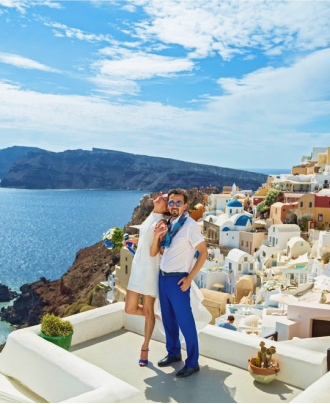
Santorini is probably the first island that comes to mind when people think of Greece. The white buildings with blue domes sit on cliffs above the sea. It’s the image you see on postcards and travel posters.
But Santorini is more than just pretty views. The island was formed by a volcanic eruption thousands of years ago. This created the dramatic cliffs and black sand beaches you see today.
The main towns are Fira and Oia. Fira is the capital and has more shops and restaurants. In contrast, Oia is smaller and quieter. It’s famous for its sunset views. However, both towns get very crowded during summer, especially in July and August.
The best time to visit Santorini is late spring or early fall. May, June, September, and October have good weather but fewer crowds. The weather in Greece in June is perfect for island hopping.
What to Do in Santorini
Santorini has several unique beaches. First, Red Beach gets its color from the volcanic rock. Next, Kamari Beach has black sand and is good for families. Finally, Perissa Beach is longer and has beach bars and restaurants.
Wine tasting is popular here. That’s why the volcanic soil creates wines that taste different from other Greek wines. In fact, many wineries sit on cliffs with sea views. A local specialist can arrange private tastings at the best spots.
The village of Akrotiri has ancient ruins. The site was buried by volcanic ash and preserved for thousands of years. As a result, it’s sometimes called the “Pompeii of the Aegean.”
For couples, Santorini is hard to beat. First, the sunsets from Oia are world-famous. Also, many hotels have infinity pools that seem to blend with the sea. And the romantic restaurants with caldera views create perfect dinner settings.
Luxury travelers love Santorini’s high-end hotels. Many have private terraces, plunge pools, and butler service. The island also has excellent spas and fine dining restaurants.
You can read more about things to do in Santorini for detailed activity ideas.
Mykonos: The Party Island with Style
Mykonos is famous for its nightlife. But it’s also a beautiful island with great beaches and traditional Greek charm. The main town has narrow streets, white buildings, and colorful doors and shutters.
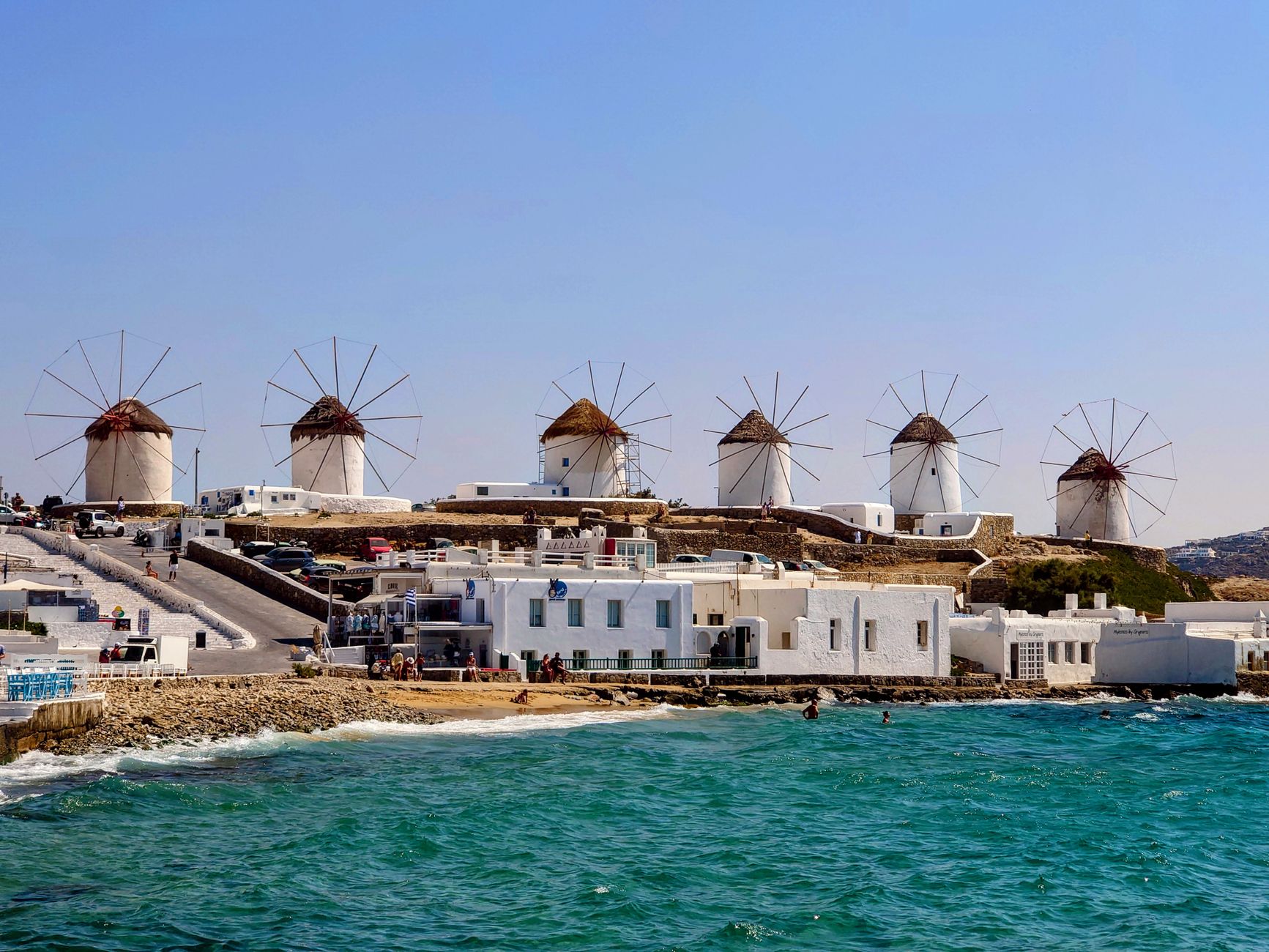
The island’s windmills are its most famous landmark. They sit on a hill overlooking the town and sea. These old mills once ground grain for the island. Now they’re one of the most photographed spots in Greece.
Mykonos attracts a younger crowd than some other islands. The beach clubs play music during the day. And the bars and clubs stay open late into the night. But the island also has quiet spots for people who want to relax.
Beaches and Activities in Mykonos
Paradise Beach and Super Paradise Beach are the most famous party beaches. They have beach bars, music, and lots of energy. In contrast, families might prefer Platis Gialos or Ornos Beach. These are calmer and have good facilities.
The town of Mykonos (also called Chora) is fun to explore. Little Venice is a row of houses built right on the water. The waves splash against the buildings during storms. It’s a great spot for drinks at sunset.
Delos Island is a short boat ride from Mykonos. In fact, it’s one of Greece’s most important archaeological sites. According to Greek mythology, this is where Apollo and Artemis were born. The ruins include temples, houses, and mosaics.
For luxury travelers, Mykonos has some of Greece’s best beach clubs and restaurants. Many offer VIP services like private cabanas and personal waiters. The island also has high-end shopping in the main town.
Families can enjoy Mykonos too. The beaches have shallow water that’s safe for kids. And there are plenty of restaurants that welcome children. A local travel specialist can recommend family-friendly areas away from the party scene.
Crete: Greece’s Largest Island Trip

Crete is Greece’s biggest island. It’s so large that you could spend weeks here and still not see everything. The island has mountains, beaches, ancient sites, and traditional villages.
The north coast has the main cities and airports. First, Heraklion is the capital and has the famous Knossos Palace. Next, Chania has a beautiful old town with Venetian buildings. Finally, Rethymno sits between them and has a charming harbor.
The south coast is wilder and less developed. The beaches here are often empty. And the small villages feel like they’re from another time. This is where you go to escape the crowds.
What Makes Crete Special
Crete has some of the best beaches in Greece. First, Balos Lagoon has white sand and bright blue water. Next, Elafonissi Beach has pink sand from tiny shells. And Falassarna Beach has golden sand and great sunsets.
The island’s history goes back thousands of years. The Minoan civilization was one of Europe’s first advanced cultures. You can see their palaces at Knossos and Phaistos. The museums in Heraklion have amazing artifacts from this time.
Crete’s mountains are perfect for hiking. The Samaria Gorge is the most famous trail. It’s 16 kilometers long and takes most of a day to complete. But there are shorter hikes too. The White Mountains have villages where people still live traditional lives.
The food in Crete is special. The island produces excellent olive oil, cheese, and wine. Also, many restaurants use ingredients from their own farms. And the portions are generous.
Crete for Different Travelers
Families love Crete because there’s so much to do. Kids enjoy the beaches and swimming. They also like exploring the old castles and learning about ancient history. The island has water parks and other family attractions too.
Couples can find romantic spots all over Crete. First, the old town of Chania is perfect for evening walks. Also, there are secluded beaches where you can have privacy. Many hotels have spa services and romantic dining options.
Luxury travelers appreciate Crete’s high-end resorts. Many sit right on the beach and have private access. The island also has excellent restaurants and wine experiences. A local specialist can arrange private tours of archaeological sites and traditional villages.
Paros: The Perfect Balance
Paros doesn’t get as much attention as Santorini or Mykonos. But that’s part of its charm. The island has beautiful beaches, traditional villages, and good restaurants. Yet it feels more relaxed and authentic.
The main town is Parikia. It has a busy port where ferries arrive and leave. But once you get away from the harbor, it’s quite peaceful. The old town has narrow streets and traditional Greek architecture.
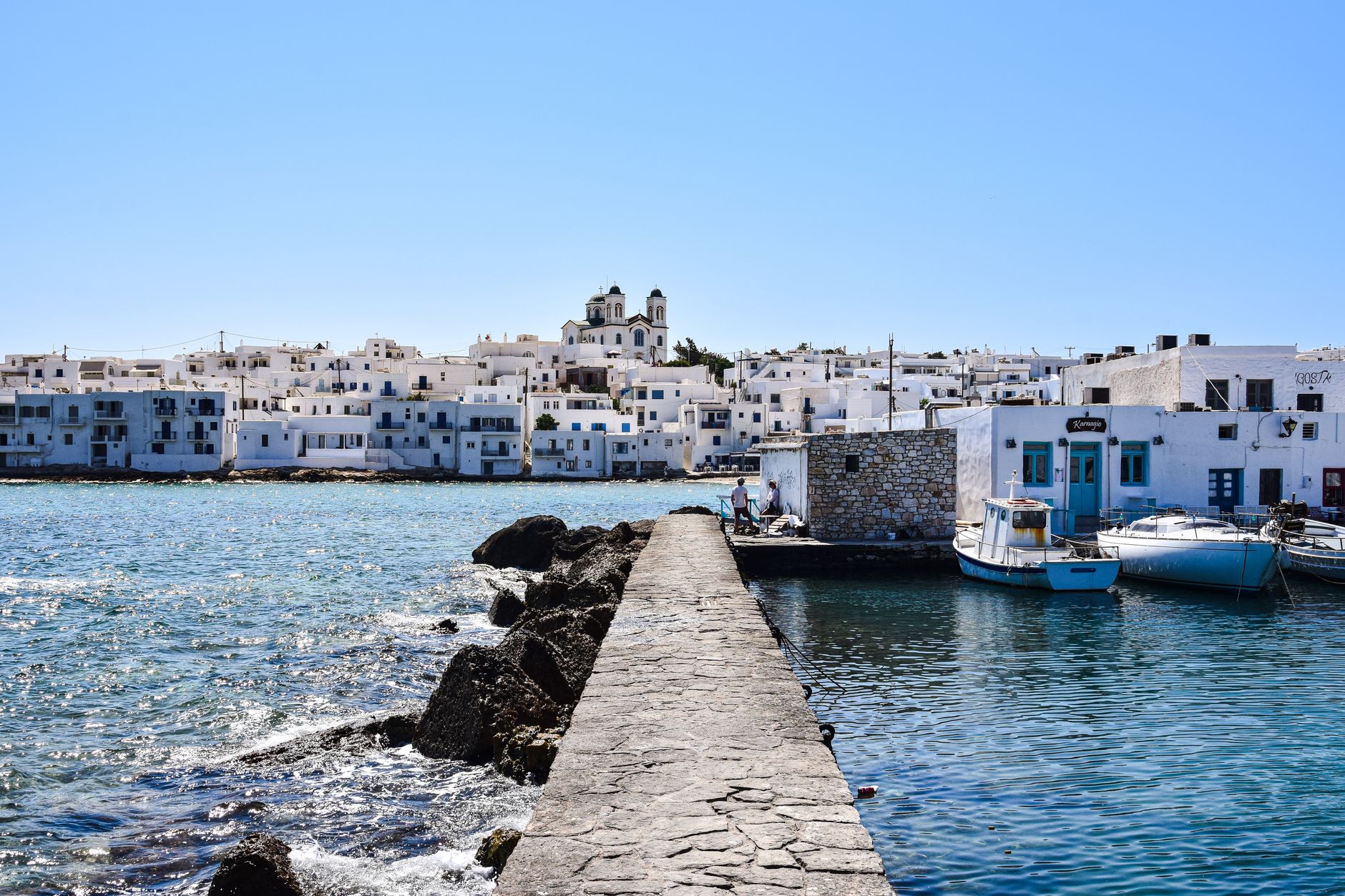
Naoussa is Paros’s most famous village. It’s a fishing port with colorful boats and waterfront restaurants. The village gets busy in summer, but it never feels overwhelming. Many people think it’s one of the prettiest spots in the Greek islands.
Why Paros Works for Everyone
Paros has great beaches for all types of travelers. Golden Beach is popular with windsurfers because of the steady winds. Kolymbithres Beach has interesting rock formations. And Monastiri Beach is quiet and good for families.
The island has a good mix of activities. You can visit traditional villages in the mountains. Or you can spend days at beach clubs by the sea. There are also historical sites like the Panagia Ekatontapiliani church.
Paros is also a great base for island hopping. Naxos is just 30 minutes away by ferry. Next, Santorini takes about 3 hours. And there are connections to many other islands. A local travel specialist can plan an island-hopping route that includes Paros.
You can learn more about things to do in Paros for specific activity recommendations.
Paros for Families and Couples
Families appreciate Paros because it’s not too crowded or expensive. The beaches are safe for children. And there are plenty of restaurants that welcome kids. The island also has a relaxed pace that works well for family vacations.
Couples enjoy Paros’s romantic atmosphere. First, Naoussa has waterfront restaurants perfect for dinner dates. Also, there are quiet beaches where you can watch the sunset together. The island strikes a good balance between having things to do and being peaceful.
Naxos: Ancient History Meets Beach Life
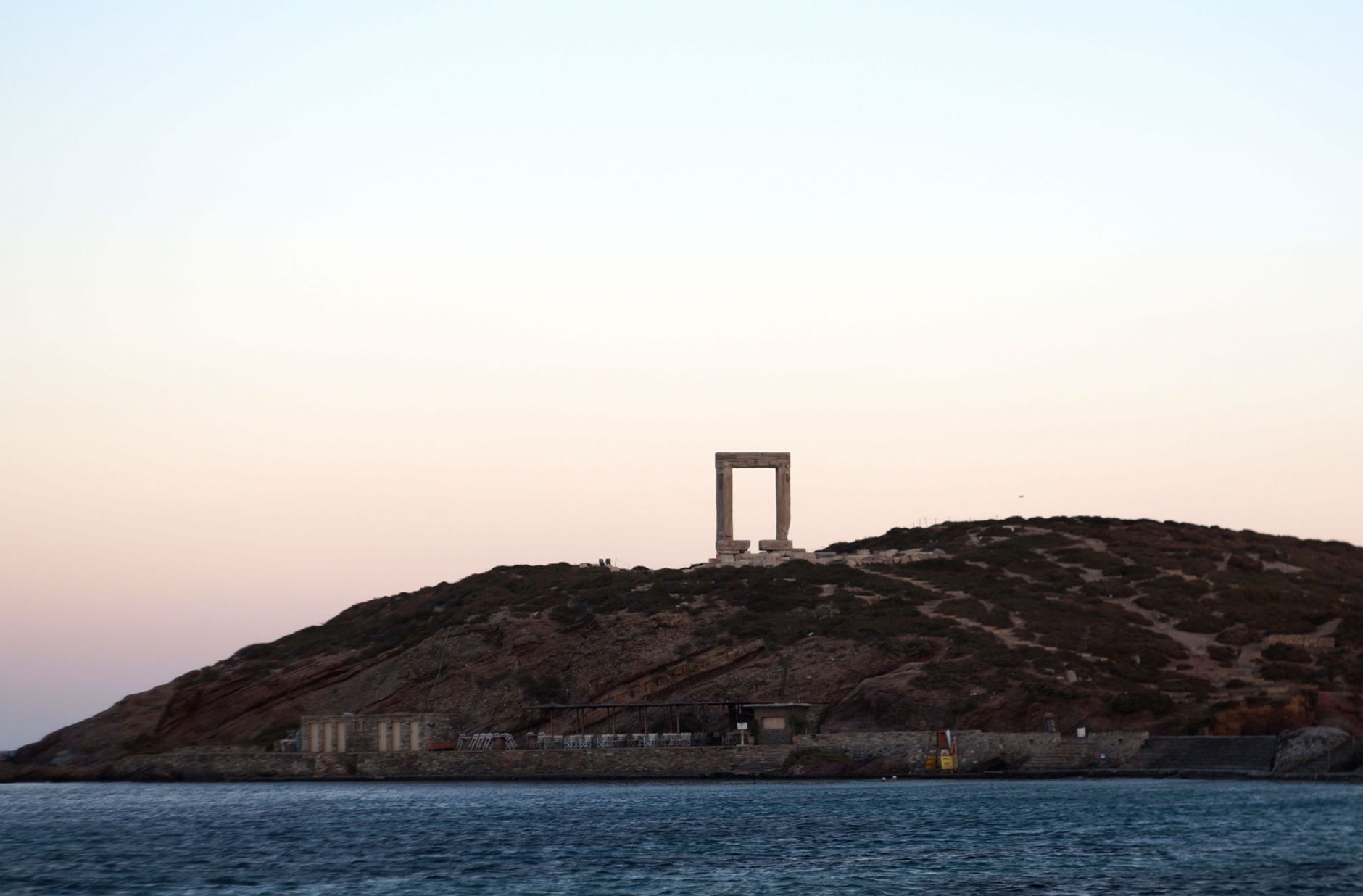
Naxos is the largest island in the Cyclades group. But it’s less touristy than its famous neighbors. The island has long sandy beaches, mountain villages, and ancient sites.
The port town is also called Naxos. It has a beautiful old town with Venetian buildings. The Portara is the island’s most famous landmark. It’s a giant marble doorway that’s all that remains of an ancient temple.
Naxos has some of Greece’s best beaches. They’re long, sandy, and less crowded than beaches on other islands. First, Plaka Beach stretches for several kilometers. And Mikri Vigla is popular with windsurfers and kitesurfers.
What to See and Do in Naxos
The interior of Naxos is mountainous and green. Traditional villages like Apiranthos and Koronos sit in the hills. These places feel untouched by tourism. The people still farm and make traditional crafts.
Naxos has important archaeological sites. The Kouros statues are giant marble figures that were never finished. They lie in the countryside where ancient sculptors left them. The island also has Venetian castles and Byzantine churches.
The island produces excellent food and wine. First, the potatoes from Naxos are famous throughout Greece. Also, the local cheese, graviera, is delicious. Many restaurants serve farm-to-table meals using local ingredients.
Naxos for Different Travel Styles
Families love Naxos because it’s authentic and affordable. The beaches have shallow water that’s safe for kids. And there are activities like horseback riding and hiking that older children enjoy. The island has a slower pace that’s good for family bonding.
Couples appreciate Naxos’s romantic sunsets and quiet beaches. First, the old town has charming restaurants and bars. Also, there are secluded spots where you can have privacy. The island is less commercialized than Santorini or Mykonos, which many couples prefer.
Luxury travelers can find high-end accommodations and experiences on Naxos. First, some hotels have private beaches and spa services. Also, a local specialist can arrange private tours of archaeological sites and mountain villages.
Rhodes: Medieval Charm Meets Beach Paradise
Rhodes sits in the southeastern Aegean Sea. It’s closer to Turkey than to mainland Greece. As a result, the island has a rich history that you can see in its medieval old town and ancient ruins.
Rhodes Town has one of Europe’s best-preserved medieval cities. The Knights of St. John built massive walls and castles here in the 14th century. You can walk along the walls and explore the narrow streets inside.
The island also has excellent beaches. The west coast has calmer water and sandy beaches. The east coast has more wind and is popular with surfers. Lindos Beach is one of the most beautiful, with an ancient acropolis overlooking the sea.
What Makes Rhodes Special
The Colossus of Rhodes was one of the Seven Wonders of the Ancient World. The giant statue is gone now, but you can see where it once stood in the harbor. The island has many other ancient sites, including the Acropolis of Lindos.
Rhodes has a unique mix of cultures. You can see Greek, Roman, Byzantine, and Ottoman influences in the architecture. The old town has mosques next to churches and medieval buildings next to modern shops.
The island’s location gives it excellent weather. In fact, Rhodes gets more sunshine than most Greek islands. The swimming season lasts from May through October. And even winter is mild compared to northern Europe.
Rhodes for All Types of Travelers
Families enjoy Rhodes because there’s so much to see and do. Kids love exploring the medieval castle and learning about knights. The beaches are safe and have good facilities. And there are water parks and other family attractions.
Couples find Rhodes romantic, especially in the old town. The medieval streets are perfect for evening walks. And there are rooftop restaurants with views of the sea. The island also has luxury spas and romantic hotels.
History lovers appreciate Rhodes more than almost any other Greek island. First, the medieval old town is like a living museum. Also, the ancient sites tell the story of thousands of years of history. A local specialist can arrange private tours with expert guides.
Corfu: Green Island Paradise
Corfu is different from most Greek islands. Instead of dry, rocky landscapes, Corfu is green and lush. The island gets more rain than other parts of Greece, which keeps everything growing.
The island sits in the Ionian Sea, off Greece’s west coast. It’s closer to Italy and Albania than to Athens. As a result, this location has given Corfu a unique culture that blends Greek, Italian, and British influences.
Corfu Town is a UNESCO World Heritage site. The old town has Venetian buildings, French arcades, and British monuments. It’s one of the most beautiful cities in Greece. And unlike many island capitals, it’s interesting to explore on foot.
Corfu’s Natural Beauty
Corfu has some of Greece’s most beautiful landscapes. First, the north of the island is mountainous and covered with olive trees. Next, the south has rolling hills and sandy beaches. And the west coast has dramatic cliffs and hidden coves.
Paleokastritsa is Corfu’s most famous beach area. It has several small bays with clear water and pebble beaches. The monastery on the hill above gives great views of the coastline. This area gets busy in summer, but it’s worth the crowds.
The island has excellent hiking trails. The Corfu Trail runs the length of the island from north to south. But there are shorter walks too. Many lead to traditional villages where you can stop for lunch and meet local people.
Corfu for Different Travelers
Families love Corfu because it’s safe and has lots to do. The beaches are good for children, and the water is clean. The island also has cultural sites that are interesting for older kids. And the food is excellent and family-friendly.
Couples enjoy Corfu’s romantic atmosphere. First, the old town is perfect for evening strolls. Also, there are secluded beaches where you can have privacy. Many hotels have spa services and romantic dining options.
Luxury travelers appreciate Corfu’s high-end resorts and villas. Many sit in private locations with sea views. The island also has excellent restaurants and cultural experiences. A local specialist can arrange private boat trips and exclusive access to historical sites.
Milos: Volcanic Beauty and Quiet Beaches
Milos is one of Greece’s most underrated islands. It’s volcanic like Santorini, but much quieter. The island has colorful rock formations, unique beaches, and traditional fishing villages.
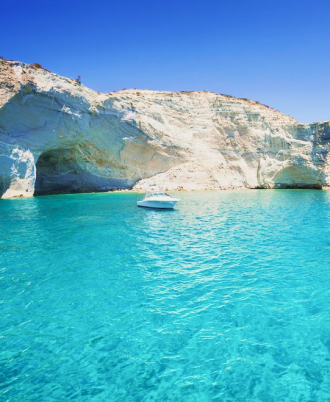
The landscape of Milos is unlike anywhere else in Greece. The volcanic activity has created rocks in shades of red, yellow, and white. For example, Sarakiniko Beach has white cliffs that look like the moon. And Kleftiko has sea caves you can explore by boat.
Adamas is the main town and port. It’s built around a natural harbor and has colorful houses climbing up the hillside. The town is small and peaceful, even in summer. There are good restaurants and a few shops, but it never feels touristy.
What Makes Milos Special
Milos has over 70 beaches. Many are accessible only by boat or hiking trail. This means you can often find empty beaches even in summer. Each beach is different because of the volcanic geology.
The island has a strong fishing tradition. You’ll see colorful boats in every harbor. Also, the seafood in the restaurants is incredibly fresh. Many tavernas are run by fishing families who catch their own fish.
Milos is also known for its hot springs. There are several spots where warm water bubbles up from the sea floor. The most famous is near Paleochori Beach. The water is said to have healing properties.
Milos for Quiet Luxury
Milos appeals to travelers who want something different. It’s not a party island like Mykonos or a tourist magnet like Santorini. Instead, it offers natural beauty and authentic Greek island life.
The island is perfect for couples who want privacy. First, many beaches are secluded and romantic. Also, the small hotels and restaurants provide personal service. A local specialist can arrange private boat trips to hidden beaches and sea caves.
Families with older children enjoy Milos because of its natural wonders. The unique landscapes are educational and fun to explore. And the quiet beaches are perfect for relaxation. However, the island might be too quiet for families with young children who need more activities.
When to Visit the Best Greek Islands
The best time to visit Greece depends on what you want from your trip. Each season has advantages and disadvantages.
Summer (June to August) is the busiest time. The weather is hot and sunny, perfect for swimming and sunbathing. But the islands are crowded, and prices are highest. July and August can be uncomfortably hot, with temperatures over 35°C (95°F).
Spring (April to May) and fall (September to October) are ideal for many travelers. The weather is warm but not too hot. The crowds are smaller, and prices are lower. Swimming is still possible, though the water might be cooler in spring.
Winter (November to March) is the quiet season. Many hotels and restaurants close, especially on smaller islands. But you can still visit larger islands like Crete and Rhodes. The weather is mild, and you’ll have the islands mostly to yourself.
Seasonal Considerations
Each island has its own personality in different seasons. Mykonos is famous for summer parties, but it’s almost empty in winter. Santorini is beautiful year-round, but the famous sunsets are best appreciated when it’s warm enough to sit outside.
A local travel specialist understands these seasonal differences. They can help you choose the right time based on your interests and travel style. They also know which islands stay lively in shoulder seasons and which ones shut down completely.
Weather can change quickly in the islands. Even in summer, you might encounter wind or rain. Travel conditions can change, so we recommend confirming details with a local specialist before your trip.
Choosing the Right Islands for Your Trip
With so many options, how do you choose the best islands to visit in Greece? It depends on your priorities, travel style, and how much time you have.
For first-time visitors, Santorini and Mykonos are classics for good reason. They have the most famous sights and the best tourist infrastructure. But they’re also the most crowded and expensive.
If you want a mix of famous and lesser-known islands, consider combining Santorini with Paros or Naxos. You’ll get the well-known Greek island experience plus a taste of more authentic island life.
Island Combinations That Work
Many travelers try to visit too many islands in one trip. It’s better to choose 2-3 islands and spend more time on each one. This gives you time to relax and really experience each place.
Popular combinations include: – Santorini and Mykonos for classic Greek island luxury – Crete and Rhodes for history and beaches – Paros and Naxos for authentic island life – Corfu and other Ionian islands for green landscapes
A local travel specialist can create the perfect island combination for your group. They know which islands work well together and how to arrange transportation between them. They can also adjust the itinerary based on weather and seasonal factors.
Getting Around the Greek Islands
Most visitors fly into Athens and then take ferries to the islands. Some islands like Santorini, Mykonos, and Crete also have airports with direct international flights.
Ferry travel between islands is part of the Greek island experience. The boats are comfortable and offer great views. But schedules can change due to weather, especially in winter and shoulder seasons.
High-speed ferries connect the major islands daily in summer. First, the trip from Athens (Piraeus port) to Santorini takes about 5 hours. Next, from Santorini to Mykonos takes about 2 hours. And smaller islands are usually connected to larger ones.
A local travel specialist can handle all the transportation planning. They know the best ferry routes and can arrange private transfers when needed. This takes the stress out of island hopping and ensures you don’t miss connections.
Making the Most of Your Greek Island Trip
The best islands to visit in Greece offer something for everyone. Whether you want luxury resorts, family fun, romantic trips, or cultural experiences, you’ll find the perfect island.
The key is matching the right islands to your travel style and interests. A local travel specialist can help you make these choices. They know each island’s personality and can create an itinerary that fits your group perfectly.
Don’t try to see everything in one trip. Instead, choose a few islands and really experience them. Take time to relax on the beaches, explore the villages, and enjoy the local food and culture. That’s what Greek island life is all about.
The Greek islands have been welcoming visitors for thousands of years. Each one has its own story to tell and its own character to share. With the right planning and local knowledge, your island trip will be everything you dreamed of and more.
Frequently Asked Questions
Which Greek island is best for first-time visitors?
Santorini is the top choice for first-time visitors to Greece. It has the classic Greek island look with white buildings and blue domes. The island also has good tourist infrastructure, making it easy to get around. However, it can be very crowded in summer. A local travel specialist can help you time your visit to avoid the worst crowds while still enjoying good weather.
What are the best Greek islands for families with children?
Crete, Naxos, and Paros are excellent for families. First, Crete has the most activities, including water parks, archaeological sites, and safe beaches. Next, Naxos has long sandy beaches with shallow water that’s perfect for kids. Finally, Paros offers a good balance of activities and relaxation without being too touristy. All three islands have family-friendly restaurants and accommodations.
How many Greek islands should I visit in one trip?
For most trips, 2-3 islands is the ideal number. This gives you time to really experience each place without feeling rushed. Spending at least 3-4 days on each island allows you to see the main sights and also relax. A local specialist can help you choose islands that work well together and arrange smooth transportation between them.
When is the best time to visit Greek islands to avoid crowds?
May, early June, September, and October offer the best balance of good weather and smaller crowds. July and August are the busiest months, especially on famous islands like Santorini and Mykonos. Spring and fall also have lower prices and more availability at hotels and restaurants. However, some smaller islands have limited services outside of summer season.
Which Greek island has the best beaches?
Crete has the most variety of excellent beaches, from the famous Balos Lagoon to the pink sands of Elafonissi. Next, Naxos has some of the longest sandy beaches in Greece. Also, Milos has unique volcanic beaches with colorful rock formations. For luxury beach clubs and services, Mykonos leads the way. The best choice depends on whether you want natural beauty, family facilities, or upscale amenities.