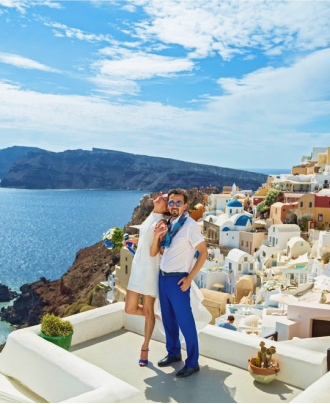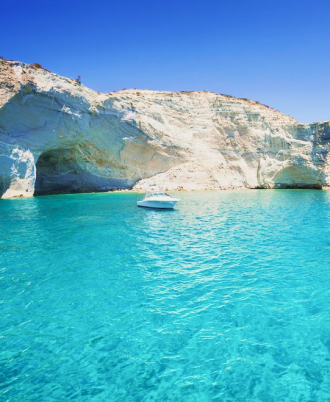

Santorini is one of the most recognizable islands in the world. Whitewash villages balance on volcanic cliffs, small chapels glimmer in the sun, and sunsets spill color over the caldera each night. With scenery like this, almost every month feels appealing on paper. Yet the best time to travel to Santorini depends on what you want most: warm water, quiet lanes, easier prices, or lively summer energy.
Because Santorini has a long visitor season, the island shifts noticeably from month to month. Weather, crowds, ferry schedules, and daylight hours all influence your experience. Understanding each season helps you choose a trip that matches your pace instead of fighting against it.
Spring: March to May — A Calm Start with Blooming Landscapes
Spring marks the beginning of Santorini’s tourism season, and it often feels like a soft reawakening after winter. The island becomes greener than many travelers expect, with wildflowers climbing along terraced hillsides and vineyards stretching across volcanic soil. Temperatures gradually rise from cool in March to pleasantly warm by late May. You may still need layers for evenings, but daytime walks feel crisp and comfortable.
Spring is one of the best times to travel to Santorini if you want space to explore. Fewer cruise ships arrive, and hotel occupancy sits below summer levels. You can wander Oia’s narrow stairways or Fira’s cliff paths and still find moments of quiet. Restaurants open gradually, and service often feels more relaxed and conversational at this time of year. Ferry connections increase as the season progresses, making it easier to combine Santorini with nearby islands.
Swimming is not always ideal early in the season. The Aegean warms slowly after winter, and many travelers prefer walking, wine tasting, and sightseeing rather than long beach days in March and April. By late May, however, the sea becomes more comfortable and beach clubs begin preparing for summer.
Spring suits travelers who want to enjoy Santorini’s beauty without peak-season intensity. You gain access to the iconic viewpoints while still feeling close to the natural rhythms of the island. Visiting in spring allows you to appreciate not only the famous caldera but also the agricultural landscapes and slower mornings that define local life.
Summer: June to August — Sun, Warm Seas, and Peak Energy
Summer brings the image most people imagine when they think of Santorini. Days stretch long, skies turn consistently clear, and the sea becomes warm and inviting. Temperatures climb, especially in July and August, and evenings stay lively well past midnight. This is the season when the island moves at full capacity.
Summer is the best time to travel to Santorini if your priority is swimming, boat excursions, and guaranteed beach weather. The water reaches its warmest, making cliff jumping, snorkeling, and sailing trips especially appealing. Every restaurant, bar, boutique, and sunset deck operates at full schedule. Nightlife is more active, and villages feel vibrant from sunrise to sunset.
Along with these advantages come crowds. Oia, Fira, and the main viewpoints fill throughout the day, especially when cruise ships dock. Roads can feel busy and parking tight. Prices rise across hotels, dining, and transportation, reflecting high demand. If you choose summer, you benefit most by planning early and staying slightly outside the busiest centers, then visiting popular spots early in the morning or near sunset.
Despite the intensity, summer has a particular magic. The island hums with travelers from around the world, and evenings carry a celebratory atmosphere. Watching the caldera glow under a cloudless sky in July feels very different from a misty spring sunset. For travelers seeking warmth, energy, and long days outdoors, summer delivers exactly what Santorini is known for.
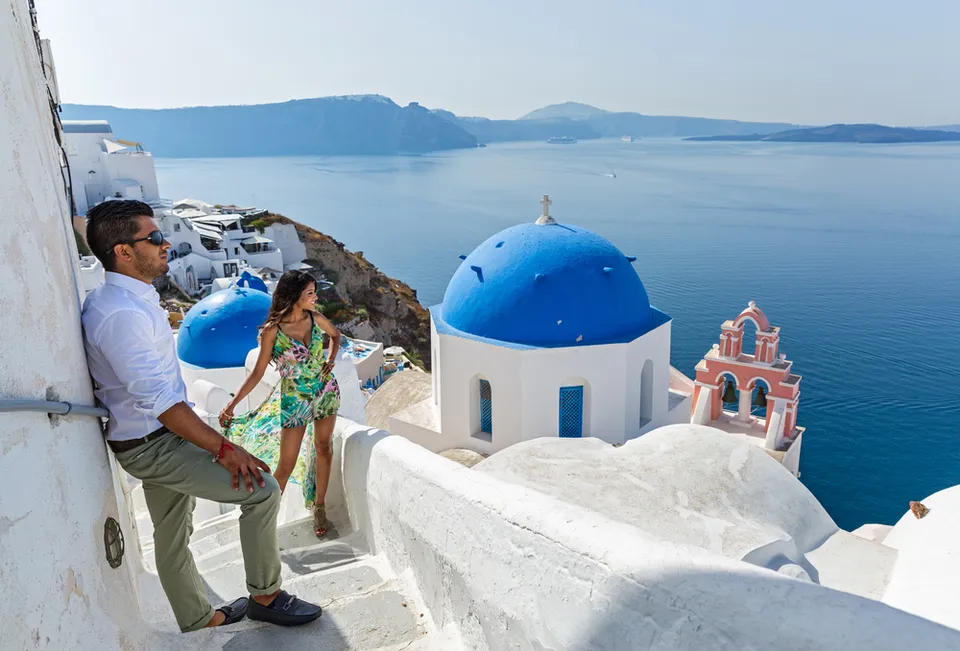
Autumn: September to November — Warm Seas, Softer Light, and Fewer Crowds
Autumn often surprises travelers by becoming their favorite season in Santorini. September begins with lingering warmth from summer, but crowds start thinning. The sea remains pleasantly warm because it has absorbed heat all season, which means swimming stays enjoyable well into October. Daytime temperatures feel comfortable instead of intense, and evenings develop a gentle coolness.
This period is one of the best times to travel to Santorini because it blends strong weather with better balance. You can still enjoy boat trips, wine tasting, cliff walks, and outdoor dining without competing with peak-season queues. Hotel prices begin to ease, and availability expands. Local vineyards reach harvest season, giving you a closer look at Santorini’s unique Assyrtiko grape production.
By November, the island transitions closer to winter. Some seasonal businesses close, ferry schedules scale back, and weather patterns become more unpredictable. However, the slower rhythm suits travelers who value calm above everything else. The softer autumn light highlights the caldera and cliffs in new tones, adding a different dimension to familiar views.
Traveling in autumn means enjoying much of summer’s appeal with more breathing room. If your goal is to feel comfortable outdoors all day, swim without discomfort, and still experience restaurants and activities at full service, early autumn may be the ideal window.
Winter: December to February — Quiet, Local, and Weather-Dependent
Winter transforms Santorini more than any other season. The island becomes quieter, hotels close for renovation, and local life takes precedence. Temperatures remain mild compared to northern Europe but cool enough that swimming is rare and winds can feel brisk. Some days bring beautiful sunshine, while others bring clouds and rain. Ferry routes reduce frequency, and island-hopping options narrow.
Winter is the best time to travel to Santorini if your focus is reflection, photography, and solitude. You see how the island functions without seasonal tourism, with cafés serving locals and streets opening wide. Major sites remain accessible, and walking along the caldera paths can feel peaceful and introspective. Accommodation prices drop significantly, making upscale lodging more attainable.
However, winter is not for travelers who want entertainment, nightlife, or guaranteed sunshine. Many services pause until spring. Weather changes quickly, and plans may need flexibility. The benefit lies in atmosphere rather than activity. The cliffs, churches, and volcanic forms appear more dramatic under winter skies, creating entirely different images from summer views.
Choosing winter means embracing a quieter version of Santorini. For writers, photographers, or returning travelers who have already experienced the island in peak months, this season offers authenticity and a slower sense of discovery.
Why Timing Matters When Visiting Santorini
Santorini rewards thoughtful timing because its appeal shifts with rhythm and crowd levels. The caldera looks beautiful year-round, yet your experience of it depends on context. In summer, you may watch the sunset surrounded by hundreds of people, each applauding as the sun disappears. In spring or autumn, you might stand in the same spot with only a handful of others. In winter, you may have the viewpoint to yourself entirely.
Practical details also influence your decision. Transportation schedules change by season, especially ferries connecting to nearby islands such as Naxos, Paros, and Mykonos. Prices follow demand curves, which means that the exact same hotel room can cost vastly different amounts depending on the month. Even walking comfort matters. Narrow lanes feel charming in April or October, but during August afternoons they can feel crowded and warm.
The best time to travel to Santorini ultimately comes down to intention. If your dream involves sun-drenched beaches, late dinners, and bustling lanes, choose summer and plan ahead. If you want balance, lean toward spring or autumn when weather stays pleasant but life moves more gently. If you seek quiet contemplation, winter delivers an entirely different version of the island.
Final Thoughts: Choosing Your Ideal Santorini Season
Santorini never loses its impact. Its cliffs, caldera views, and traditional architecture create a landscape that feels instantly memorable. Yet the island changes character with the seasons, and understanding those changes helps you craft a visit that matches your expectations.
Spring offers freshness, mild weather, and space to breathe. Summer brings warmth, activity, and iconic postcard scenes. Autumn delivers lingering heat with fewer people and deeper colors. Winter reveals the island at its most intimate and reflective.
The best time to travel to Santorini is the moment when weather, crowd level, and personal travel style align for you. Whether you arrive in the gentle bloom of April, the golden light of September, or the contemplative calm of January, the island meets you with scenery that feels timeless. Your experience depends less on the calendar and more on choosing the season that lets you enjoy it fully, at your own pace.