
Heraklion sits on Crete’s north coast like a living history book. In fact, this city has been the island’s heart for over 1,000 years. Ancient palaces, Venetian fortresses, and modern cafes share the same streets. As a result, you can touch 4,000-year-old frescoes in the morning and sip wine by the harbor at sunset.
Most people know Heraklion as the gateway to Crete. But this city deserves more than a quick stop on your way to the beaches. The things to do in Heraklion range from world-famous archaeological sites to hidden local tavernas that serve the best lamb on the island. And with a local travel specialist who knows the city’s rhythms, you’ll discover layers most visitors never see.
The city works well for all types of travelers. First, families love the interactive museums and easy walks through the old town. Next, couples find romance in the Venetian harbor at sunset. And luxury travelers appreciate the high-end restaurants and boutique hotels tucked into historic buildings.
Knossos Palace: Step Into Ancient Minoan Life
Knossos Palace stands just 5 kilometers south of Heraklion. In fact, this is Europe’s oldest city and the center of the Minoan civilization. The palace complex covers 22,000 square meters. That’s bigger than three football fields.
The Minoans built this palace around 1900 BC. They were the first advanced civilization in Europe. The palace had running water, flush toilets, and a complex drainage system. These innovations were 1,000 years ahead of anything else in Europe.
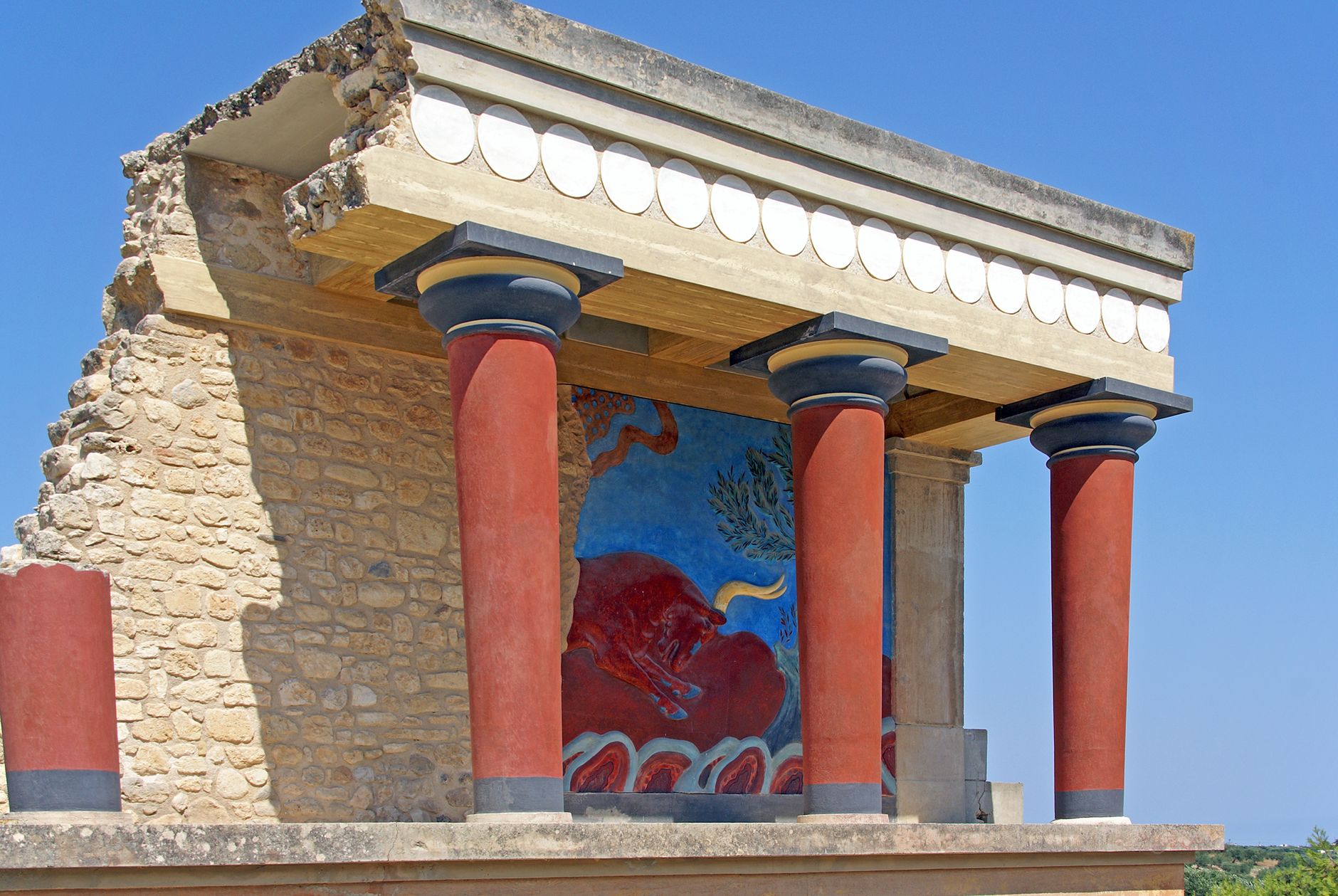
Today, you can walk through the throne room where King Minos once sat. The walls still show original frescoes of dolphins, bulls, and court ladies. The famous bull-leaping fresco shows young athletes vaulting over charging bulls. This was both sport and religious ceremony.
The palace has four main areas. First, the west wing held the royal apartments and throne room. Next, the east wing housed workshops and storage rooms. Then, the central court was used for ceremonies and the famous bull-leaping. Finally, the north entrance leads to a theater area where 500 people could gather.
A local travel specialist can time your visit perfectly. Early morning visits mean smaller crowds and better light for photos. They also know which reconstructed areas give the best sense of how the palace looked 4,000 years ago. Some guides can arrange private access to areas usually closed to the public.
The site takes about 2 hours to explore properly. But with expert guidance, you’ll understand the stories behind the ruins. You’ll learn why the Minoans painted their columns red and how they used light wells to illuminate interior rooms.
Heraklion Archaeological Museum: World-Class Minoan Treasures
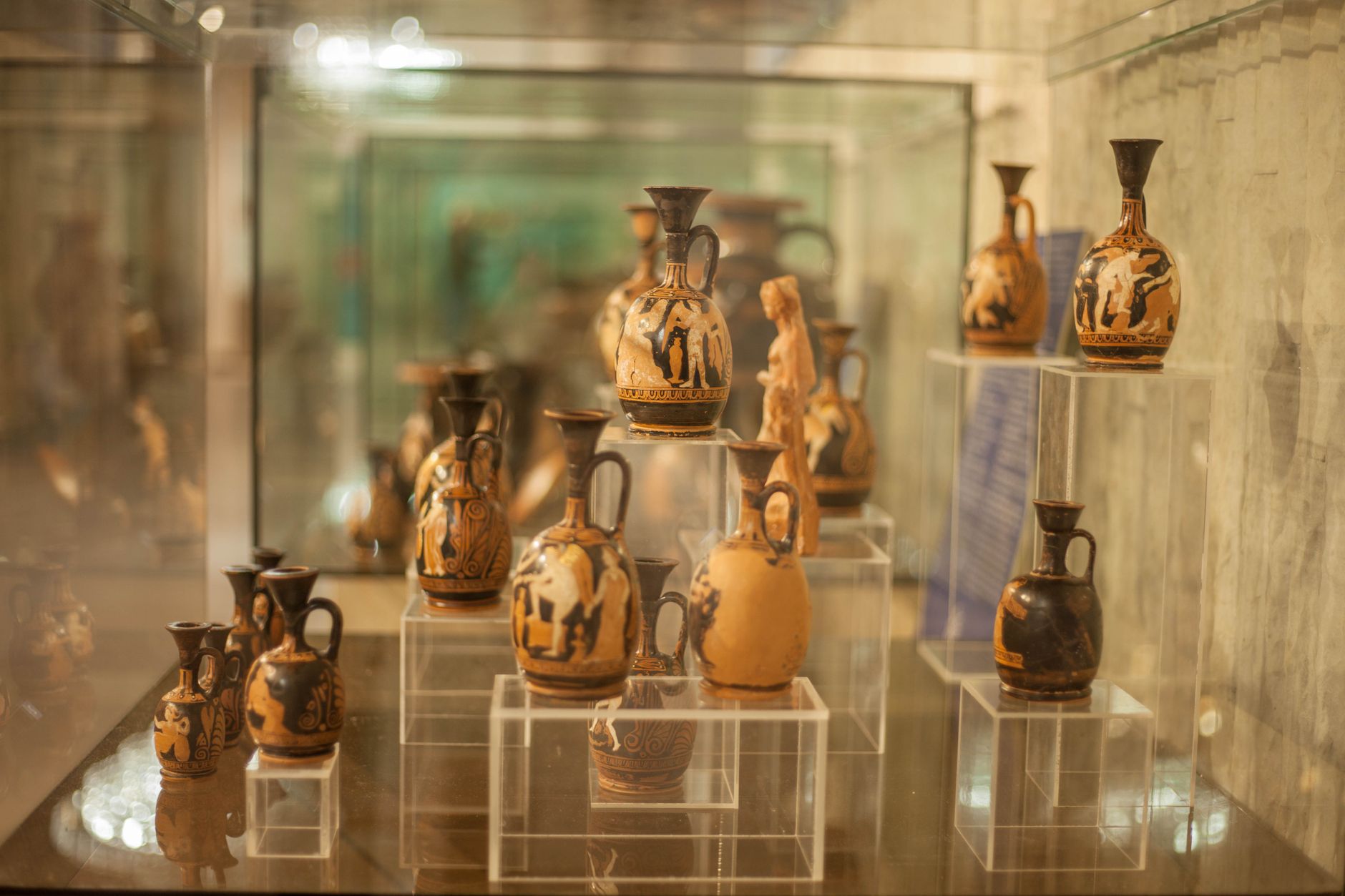
The Heraklion Archaeological Museum houses the world’s finest collection of Minoan art. Moreover, this museum sits in the city center, just a 10-minute walk from the harbor. In fact, the building itself is a work of art—a restored Venetian monastery from the 13th century.
The museum’s star attraction is the Phaistos Disc. This clay disc from 1700 BC contains 241 symbols arranged in a spiral. No one has decoded its meaning yet. It might be the world’s first printed document.
The Snake Goddess figurines draw crowds too. These small ivory and gold statues show women holding snakes. They date to 1600 BC and represent Minoan religious beliefs. The detail is incredible – you can see individual scales on the snakes.
The museum also displays the original frescoes from Knossos. The Prince of the Lilies fresco shows a young man wearing a feathered crown. The Ladies in Blue fresco depicts three women in elaborate court dress. These paintings show how sophisticated Minoan art was 3,500 years ago.
Room 4 holds the Harvester Vase. This black stone cup shows 27 men in a harvest procession. Each face is different. The carving is so detailed you can see individual expressions and clothing patterns.
The museum takes about 90 minutes to see properly. That’s why a local specialist can explain the connections between the artifacts and what you saw at Knossos. They know which pieces tell the most interesting stories about daily life in ancient Crete.
The museum is open year-round except Mondays. Summer hours run from 8 AM to 8 PM. Meanwhile, winter hours are shorter, from 8 AM to 3 PM. Also, air conditioning makes summer visits comfortable.
Venetian Harbor: Where History Meets the Sea
Heraklion’s Venetian Harbor has been the city’s heart for 800 years. The Venetians built this harbor in the 13th century when they controlled Crete. Today, it’s where locals and visitors gather to watch the sunset and enjoy the sea breeze.
The harbor’s most famous landmark is the Koules Fortress. This massive stone castle guards the harbor entrance. The Venetians built it in the 16th century to protect against Ottoman attacks. The fortress has 26 rooms spread across three levels. From the top, you get panoramic views of the city and sea.
Inside the fortress, you’ll find old cannons, storage rooms, and prison cells. Also, the Venetians carved the Lion of St. Mark into the entrance wall. This symbol marked all Venetian territories. In fact, the fortress walls are 8 meters thick in some places.
The harbor promenade stretches for 2 kilometers. Fishing boats dock alongside luxury yachts. Local fishermen still bring in their catch each morning. You can watch them sort octopus, sea bream, and red mullet right on the dock.
The lighthouse at the harbor’s end is another Venetian creation. It’s one of the oldest lighthouses in the world still in use. The current structure dates to the 1600s, but there’s been a lighthouse here since ancient times.
Evening is the best time to visit the harbor. First, the stone buildings turn golden in the sunset light. Next, tavernas set up tables along the waterfront. And the fortress looks dramatic against the darkening sky.
A local travel specialist can arrange harbor activities most visitors never know about. For example, some can organize private boat trips to nearby beaches. Others know fishermen who’ll take you out for morning fishing trips. These experiences give you a different perspective on Heraklion’s connection to the sea.
Heraklion Old Town: Medieval Streets and Modern Life

Heraklion’s old town sits behind the harbor like a maze of narrow streets and hidden squares. The Venetians laid out these streets in the 13th century. Today, they’re filled with shops, cafes, and restaurants that locals actually use.
25th August Street is the main pedestrian boulevard. It runs from the harbor to Lions Square in the heart of the old town. This street is perfect for evening walks. Locals call it their “living room” because everyone gathers here.
Lions Square gets its name from the Morosini Fountain at its center. This ornate fountain has four lions supporting a decorative basin. The Venetians built it in 1628. Interestingly, the lions actually came from an earlier 14th-century fountain. Today, the square is surrounded by cafes where you can sit and watch daily life unfold.
The old town has several small churches worth visiting. Agios Titos Church honors Crete’s patron saint. The current building dates to 1872, but there’s been a church here since Byzantine times. The interior has beautiful icons and a peaceful atmosphere.
Loggia Square houses the old Venetian Loggia building. This was the meeting place for Venetian nobles. Today, it’s Heraklion’s City Hall. The building shows perfect Venetian Renaissance architecture. In fact, the arched windows and stone details have survived 500 years.
The old town’s narrow streets hide excellent small shops. You’ll find stores selling Cretan olive oil, local honey, and handmade ceramics. Moreover, many shops are family-run businesses that have been here for generations.
A local travel specialist knows which streets to explore and which to skip. They can point out architectural details you’d miss on your own. Also, they know the stories behind the buildings—like which house belonged to famous writers or where important historical events happened.
Local Food and Dining: Taste the Real Crete
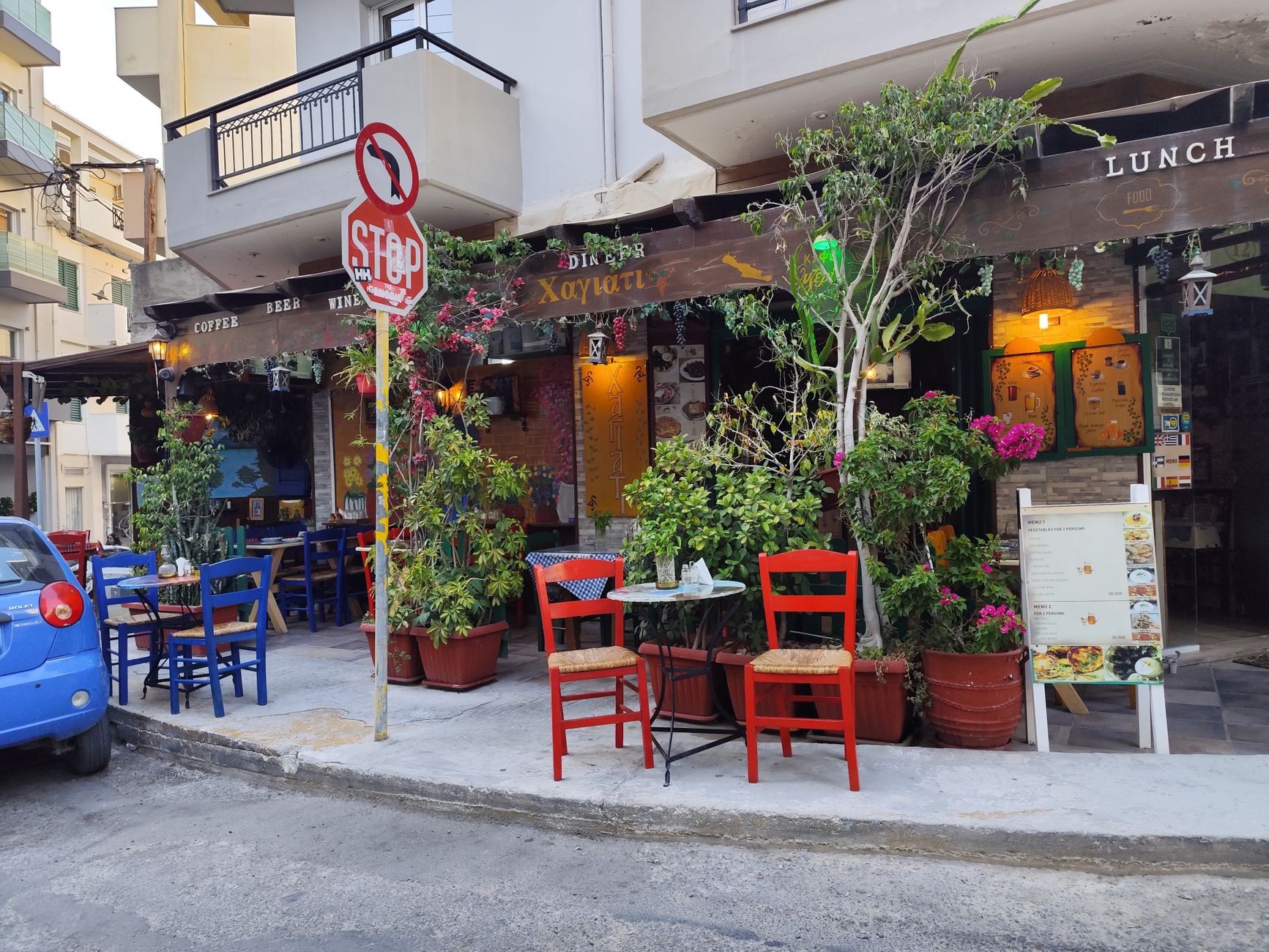
Heraklion’s food scene mixes traditional Cretan cooking with modern Greek cuisine. The city has everything from simple tavernas to high-end restaurants. But the best meals often happen in places locals have been going to for decades.
Cretan cuisine is different from mainland Greek food. The island’s isolation created unique dishes and cooking methods. For example, lamb is often cooked in clay ovens called “kleftiko.” The meat becomes incredibly tender after hours of slow cooking. Additionally, local herbs like dittany and wild oregano add flavors you won’t find anywhere else.
Dakos is Crete’s signature appetizer. It’s made with barley rusks topped with tomatoes, feta cheese, and olive oil. The rusks are soaked until they’re soft but still have texture. Good dakos uses tomatoes that are perfectly ripe and olive oil that’s pressed from local olives.
The city’s central market operates every morning except Sunday. Local farmers bring vegetables, fruits, and herbs from across the island. You’ll see produce that’s completely fresh – picked the same morning. The market also has stalls selling local cheeses, olives, and honey.
Tavernas in the old town serve the most authentic food. Look for places where locals eat, not just tourists. These tavernas often don’t have printed menus. Instead, the owner will tell you what’s good that day. This usually means the ingredients are fresh and the cooking is traditional.
Seafood restaurants line the harbor. The best ones buy fish directly from local boats. Grilled octopus, fried calamari, and whole fish are specialties. Also, many restaurants will show you the fish before cooking it. This way, you know exactly what you’re getting.
Wine bars in Heraklion feature local Cretan wines. The island produces excellent reds from Kotsifali and Mandilaria grapes. Additionally, white wines from Vilana grapes are crisp and perfect with seafood. Many wine bars offer tastings with small plates of local cheese and olives.
A local travel specialist can make dinner reservations at restaurants that don’t take bookings from tourists. They know which tavernas serve the best traditional dishes and which modern restaurants are worth trying. Some can even arrange cooking classes with local families.
Museums and Cultural Sites: Beyond the Famous Attractions
Heraklion has several smaller museums that show different sides of the city’s history. These places are less crowded than the main archaeological museum but just as interesting.
The Historical Museum of Crete covers the island’s history from Byzantine times to World War II. The museum sits in a beautiful neoclassical building near the harbor. Exhibits include traditional costumes, folk art, and weapons from various periods. Additionally, the museum has the only El Greco painting on display in Crete. The artist was born in a village near Heraklion.
The Natural History Museum appeals especially to families with children. Interactive exhibits explain Crete’s unique ecosystem. For example, you can see fossils of dwarf elephants that lived on the island 10,000 years ago. Also, the earthquake simulator shows how seismic activity shaped the island. And the discovery center lets kids touch real fossils and minerals.
The Nikos Kazantzakis Museum honors Crete’s most famous writer. Kazantzakis wrote “Zorba the Greek” and many other novels. The museum sits in the village of Myrtia, about 15 kilometers south of Heraklion. It displays manuscripts, personal items, and photos from the writer’s life.
The Battle of Crete Museum focuses on World War II events on the island. German paratroopers invaded Crete in May 1941. The battle lasted 10 days and involved fierce fighting. The museum shows weapons, uniforms, and personal stories from both sides. It’s located near the airport where much of the fighting took place.
Several art galleries in the old town show work by contemporary Greek artists. The Municipal Art Gallery has rotating exhibitions of paintings and sculptures. Additionally, smaller private galleries often feature local artists who draw inspiration from Cretan landscapes and traditions.
These cultural sites work well for rainy days or when you need a break from the sun. Most have air conditioning and comfortable seating areas. And they give you deeper insight into what makes Crete special beyond its ancient history.
Day Trips from Heraklion: Explore More of Crete
Heraklion makes an excellent base for exploring other parts of Crete. The city sits in the center of the island’s north coast. This means you can reach most major attractions within 2 hours.
The Lasithi Plateau lies about 90 minutes southeast of Heraklion. This high mountain valley sits 850 meters above sea level. The plateau is famous for its traditional windmills and the Dikteon Cave. According to Greek mythology, Zeus was born in this cave. The drive up to the plateau passes through beautiful mountain scenery.
Rethymno sits 80 kilometers west of Heraklion. This coastal city has the best-preserved old town in Crete. Venetian and Ottoman buildings line narrow cobblestone streets. The harbor has a distinctive lighthouse and waterfront restaurants. Additionally, Rethymno has excellent beaches just outside the old town.
The Arkadi Monastery lies in the hills south of Rethymno. This 16th-century monastery played a crucial role in Crete’s fight for independence from the Ottomans. The monastery’s architecture mixes Venetian and Ottoman styles. The peaceful setting and historical importance make it worth the drive.
Chania sits at the western end of Crete, about 2.5 hours from Heraklion. This city has the most beautiful harbor in Greece. Venetian buildings reflect in the water while fishing boats bob at anchor. The old town has excellent restaurants and shops. Many people consider Chania the most romantic city in Crete.
The south coast offers a completely different landscape. Matala beach became famous in the 1960s when hippies lived in caves carved into the cliffs. Today, it’s a relaxed beach town with good tavernas. The drive south takes about 90 minutes through mountain villages and olive groves.
A local travel specialist can plan day trips that match your interests and energy level. They know which routes have the best scenery and where to stop for photos. Also, some can arrange private drivers who know the island’s back roads and hidden spots.
Shopping and Local Products: Take Crete Home With You
Heraklion offers excellent shopping for local products and handmade crafts. The city has both traditional markets and modern shops selling authentic Cretan goods.
Olive oil is Crete’s most famous product. The island produces some of the world’s best extra virgin olive oil. Look for oil from specific regions like Sitia or Peza. These areas have protected designation status, which guarantees quality. Also, good olive oil shops will let you taste before buying.
Local honey comes in many varieties depending on which flowers the bees visit. Thyme honey is the most prized. It has a strong, distinctive flavor that’s perfect with Greek yogurt. Meanwhile, pine honey is darker and less sweet. Wildflower honey changes flavor depending on the season.
Cretan cheeses are worth seeking out. Graviera is a hard cheese similar to gruyere but with a nuttier flavor. Mizithra is a soft cheese that’s often used in desserts. Anthotyros is a mild cheese that’s good for breakfast. Also, many shops will vacuum-pack cheese for travel.
Traditional ceramics make beautiful souvenirs. Cretan potters still use techniques passed down for generations. Look for pieces with traditional blue and white patterns or earth-tone glazes. The village of Thrapsano, near Heraklion, is famous for its pottery.
Handwoven textiles show off traditional Cretan craftsmanship. Local women still weave rugs, bags, and clothing on traditional looms. Natural dyes create beautiful colors that won’t fade. These items take time to make, so prices reflect the skilled work involved.
The central market has the best selection of local products. Vendors sell everything from herbs and spices to handmade soaps. This is also where you’ll find the most competitive prices. But don’t be afraid to bargain politely – it’s expected in traditional markets.
Modern shops in the old town offer higher-quality items with fixed prices. These stores often work directly with local producers. The owners can tell you exactly where products come from and how they’re made. Additionally, many offer shipping services for larger purchases.
Best Times to Visit and Practical Information
Heraklion works as a destination year-round, but different seasons offer different experiences. The best time depends on what you want to do and how you handle heat and crowds.
Spring (April to May) is ideal for sightseeing and outdoor activities. Temperatures range from 18 to 25 degrees Celsius. The weather is warm enough for comfortable walking but not too hot for exploring archaeological sites. Spring also brings wildflowers to the countryside around Heraklion.
Summer (June to August) is peak season. Temperatures often reach 30 degrees or higher. The city gets crowded, especially around major attractions. However, summer also means long days with 14 hours of daylight. And the sea is perfect for swimming. Early morning and evening are the best times for sightseeing.
Fall (September to October) combines good weather with fewer crowds. September can still be quite warm, but October is perfect for walking and outdoor activities. The sea stays warm through October. This is also harvest season, so local markets have the best selection of fresh produce.
Winter (November to March) is the quietest time. Many hotels and restaurants close or reduce hours. But winter also means you’ll have major attractions almost to yourself. Temperatures range from 10 to 18 degrees. Rain is possible, but many days are sunny and pleasant.
The city center is compact and walkable. Most major attractions are within 20 minutes’ walk of each other. Additionally, the old town’s narrow streets are pedestrian-only, which makes walking pleasant and safe.
Public buses connect Heraklion to other parts of Crete. The main bus station sits near the harbor. Buses to Knossos run every 20 minutes during peak season. Meanwhile, longer trips to places like Chania or Rethymno require advance booking during summer.
Taxis are readily available but can be expensive for longer trips. Many drivers speak some English and know the major tourist sites. For day trips, hiring a private driver often costs less than taking taxis.
A local travel specialist can help you plan the perfect timing for your visit. They know which months have the best weather for your preferred activities. Also, they can arrange transportation that fits your schedule and budget.
Travel conditions can change — we recommend confirming details with a local specialist before your trip.
Where to Stay: From Historic Hotels to Modern Luxury
Heraklion offers accommodations for every style and budget. The best choice depends on whether you want to be in the heart of the action or prefer a quieter setting.
The old town has several boutique hotels in restored historic buildings. These properties combine traditional architecture with modern amenities. Many have rooftop terraces with harbor or city views. The location puts you within walking distance of restaurants, shops, and major attractions.
Harbor-front hotels offer sea views and easy access to waterfront dining. These properties tend to be larger and more modern. Many have pools and spa facilities. The harbor location means some street noise, but also the excitement of being where the action is.
Luxury resorts sit just outside the city center. These properties offer more space, private beaches, and full-service spas. They’re perfect for travelers who want resort amenities but easy access to Heraklion’s attractions. Most provide shuttle service to the city center.
For families, apartments and vacation rentals offer more space and kitchen facilities. Many are located in residential neighborhoods where you can experience local life. This option also allows you to shop at local markets and prepare some meals yourself.
The best accommodations book up quickly during peak season (July and August). Spring and fall offer more availability and often better rates. Winter brings the lowest prices but also reduced services at some properties.
A local travel specialist can recommend accommodations that match your specific needs and preferences. They know which properties have the best locations, service, and value. Also, they can often secure better rates or room upgrades through their local connections.
FAQ: Your Heraklion Questions Answered
How many days should I spend in Heraklion?
Three to four days gives you time to see the major attractions without rushing. This allows for visits to Knossos Palace, the Archaeological Museum, and the old town. It also leaves time for day trips to nearby attractions or relaxing at local beaches. If you’re using Heraklion as a base for exploring more of Crete, a week works well.
Is Heraklion good for families with children?
Yes, Heraklion works well for families. The Natural History Museum has interactive exhibits kids love. Knossos Palace fascinates children with its ancient stories and reconstructed rooms. The harbor area is safe for walking and has plenty of cafes with outdoor seating. Additionally, many restaurants welcome families and offer simple dishes kids will eat.
What’s the best way to get from Heraklion airport to the city center?
The airport sits about 5 kilometers from the city center. Taxis take 15-20 minutes and cost around €15-20. Public buses run regularly and cost much less, but take longer with stops. Many hotels offer airport transfers. Also, a local travel specialist can arrange private transfers that include stops at viewpoints or local markets.
Can I visit Knossos Palace and the Archaeological Museum in the same day?
Yes, both sites work well together in one day. Knossos takes about 2 hours to explore properly. The Archaeological Museum needs about 90 minutes. Visiting Knossos first helps you understand the artifacts you’ll see in the museum. Many visitors do Knossos in the morning when it’s cooler, then the museum in the afternoon.
What should I pack for a trip to Heraklion?
Comfortable walking shoes are essential for exploring archaeological sites and cobblestone streets. Sun protection (hat, sunscreen, sunglasses) is crucial, especially in summer. Light, breathable clothing works best in warm weather. Also, bring a light jacket for evenings or air-conditioned museums. If visiting religious sites, pack clothing that covers shoulders and knees.