

Shopping in Athens Greece offers something special for every traveler. In fact, the city blends ancient traditions with modern style. You’ll find everything from handmade ceramics to designer clothes. And the best part? A local travel specialist can guide you to places most visitors never discover.
Athens has shopping districts that tell different stories. Some streets buzz with international brands. Others hide family shops that have been open for generations. The key is knowing where to go and when to visit each area.
Most travelers stick to the obvious tourist shops. But Athens has so much more to offer. There are artisan workshops, vintage markets, and luxury boutiques tucked away in quiet neighborhoods. That’s where having local knowledge makes all the difference.
Traditional Markets and Authentic Finds
Monastiraki Flea Market
The Monastiraki Flea Market is Athens’ most famous shopping spot. It spreads across several streets near the ancient Agora. Here, you’ll find antiques, vintage items, and handmade crafts.
The market is busiest on Sundays. That’s when local collectors come to hunt for treasures. But weekdays are better if you want to browse without crowds. Also, vendors have more time to chat and share stories about their items.
Look for old Greek coins, vintage postcards, and traditional worry beads. Also, many vendors speak English and love to explain the history behind their pieces. In fact, some items date back decades or even centuries.
The market sits right next to the Monastiraki Metro station. So it’s easy to reach from anywhere in the city. And after shopping, you can walk to the nearby Acropolis in just 10 minutes.
Central Market (Varvakios Agora)
The Central Market is where locals shop for food. It’s been operating since 1886. The building itself is worth seeing – it has beautiful iron and glass architecture.
Inside, you’ll find fresh fish, meat, and produce. But the real treasures are the spice shops and specialty food stores. They sell Greek honey, olive oil, and herbs that you can’t find anywhere else.
The market opens early in the morning. Most vendors close by 2 PM. So plan your visit for the morning hours. That’s also when the selection is best and the atmosphere is most lively.
A local travel specialist can arrange for you to meet specific vendors who speak English. They can then explain how to use different Greek ingredients and suggest the best products to take home.
Avissinias Square
Avissinias Square is the heart of the antique district. It’s a small square surrounded by shops selling furniture, art, and collectibles. The square comes alive on weekends when outdoor vendors set up stalls.
You’ll find everything from old Greek movie posters to vintage jewelry here. Many items have interesting stories behind them. Some vendors are also collectors themselves and can share fascinating details about their pieces.
The square has several cafes where you can take a break. They serve traditional Greek coffee and pastries. It’s a nice way to soak up the atmosphere while planning your next shopping stop.
Modern Shopping Districts
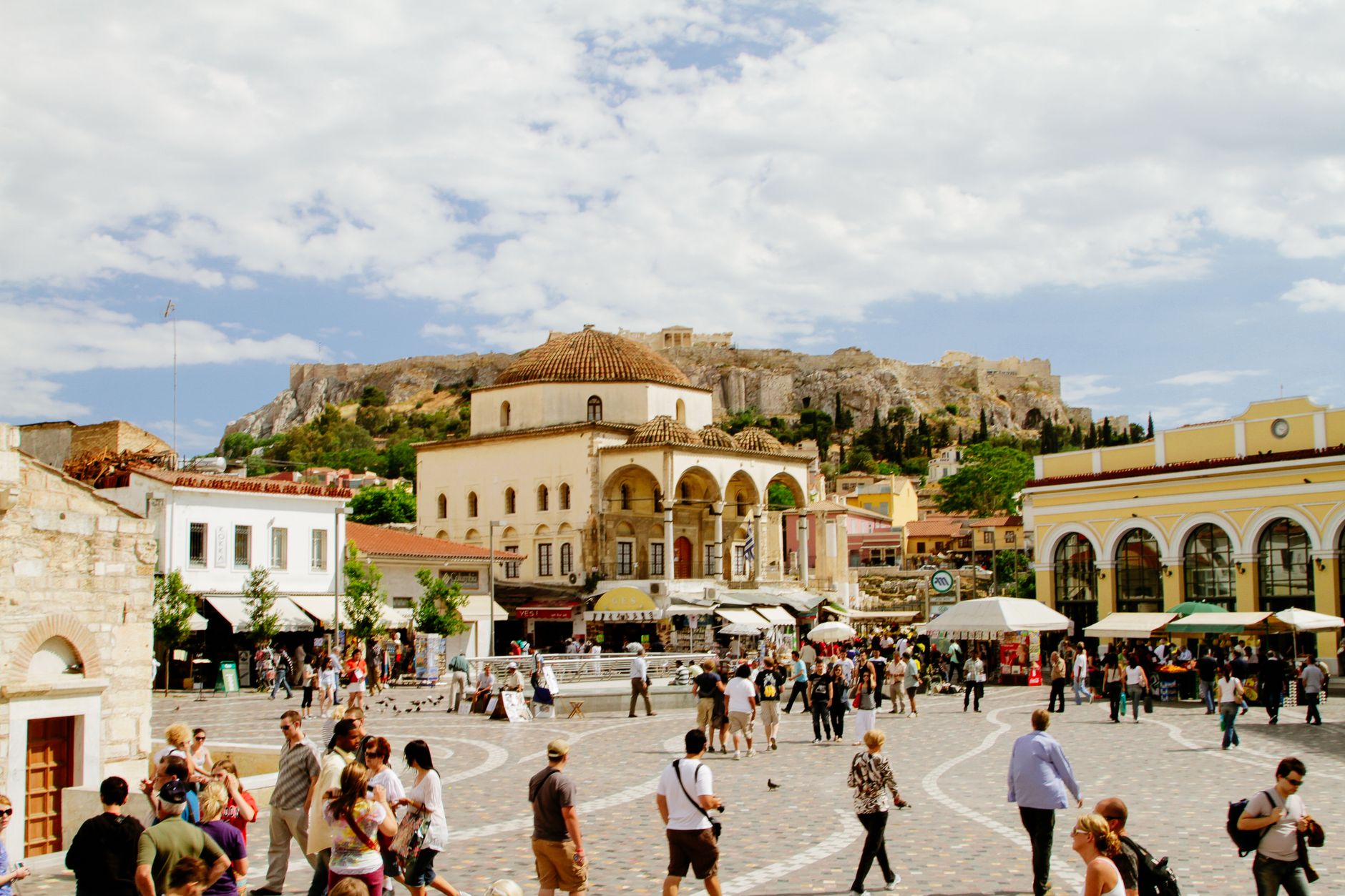
Ermou Street
Ermou Street is Athens’ main shopping boulevard. It stretches from Syntagma Square to Monastiraki. The street is pedestrian-only, so it’s perfect for leisurely shopping.
You’ll find international brands like Zara, H&M, and Nike here. But there are also Greek fashion brands that offer unique styles. The street gets very busy on weekends and evenings.
For a more relaxed experience, visit on weekday mornings. That’s when stores first open and the crowds are smaller. Also, many shops offer better service when they’re not rushed.
The street connects two major squares. So you can easily combine shopping with sightseeing. Syntagma Square has the Parliament building and National Gardens nearby.
Kolonaki District
Kolonaki is Athens’ upscale shopping neighborhood. The streets here are lined with designer boutiques, art galleries, and chic cafes. It’s where wealthy Athenians come to shop.
You’ll find luxury brands like Hermès, Louis Vuitton, and Gucci here. But the real gems are the Greek designers who have their flagship stores in this area. They create clothes and accessories that blend modern style with Greek influences.
The district sits at the foot of Mount Lycabettus. After shopping, you can take the funicular to the top for amazing city views. The ride takes just 3 minutes and runs every 30 minutes.
Kolonaki also has some of the best restaurants in Athens. A local travel specialist can recommend places that match your taste and budget. Many restaurants here require reservations, especially for dinner.
Glyfada
Glyfada is a seaside suburb about 30 minutes from central Athens. It has large shopping malls and outlet stores. Overall, the area feels more like a resort town than part of the city.
The main attraction is the Glyfada shopping center. It has over 200 stores, including many international brands. There’s also a food court and cinema complex.
But Glyfada’s real appeal is its relaxed atmosphere. You can shop in the morning, then spend the afternoon at the beach. The area has several good beaches within walking distance of the shopping areas.
Getting to Glyfada is easy by tram or bus. The tram runs directly from central Athens and takes about 45 minutes. Plus, it’s a scenic ride along the coast.
Specialty Shopping Areas
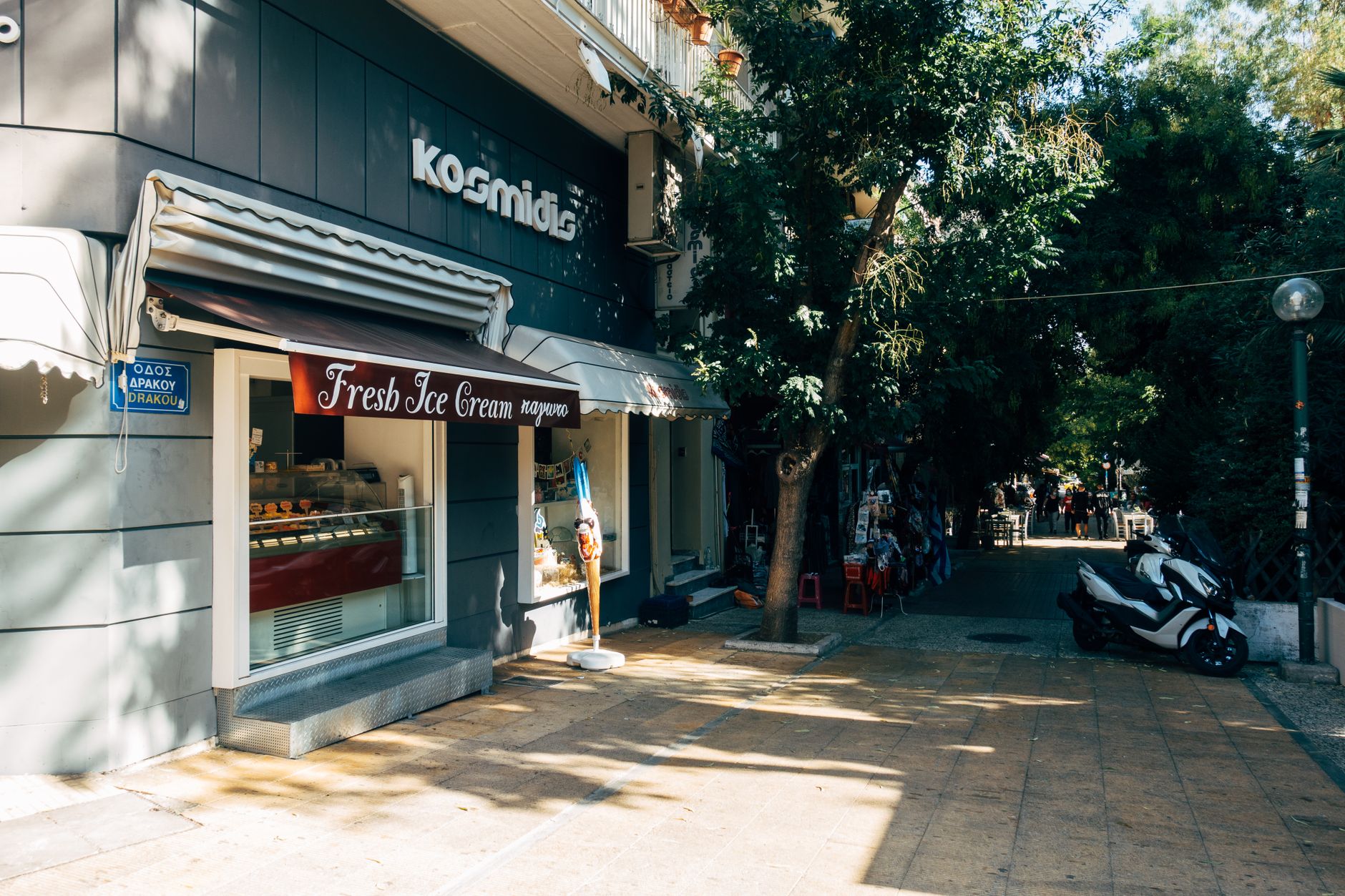
Plaka District
Plaka is the old town of Athens. Its narrow streets are filled with souvenir shops, art galleries, and traditional craft stores. The area sits right below the Acropolis.
You’ll find handmade sandals, pottery, and jewelry here. In fact, many shops are run by families who have been crafting these items for generations. They’re happy to explain their techniques and the history behind their products.
The best shops are often hidden down small side streets. So, look for stores that make items on-site. You can often watch artisans at work and even request custom pieces.
Plaka gets very crowded during the day. Early morning or late afternoon are the best times to shop here. That’s when you can actually talk to shop owners without feeling rushed.
Psyrri Neighborhood
Psyrri is Athens’ arts district. It’s full of galleries, vintage shops, and independent boutiques. The area has a bohemian feel that attracts young Athenians and creative types.
You’ll find unique clothes, handmade accessories, and local art here. Also, many shops sell items by Greek designers who aren’t available anywhere else. The prices are often lower than in touristy areas.
The neighborhood comes alive at night. Many shops stay open late, and there are plenty of bars and restaurants nearby. That’s why it’s a great place to combine shopping with nightlife.
Psyrri is walking distance from Monastiraki. So you can easily visit both areas in the same day. The contrast between the two neighborhoods shows different sides of Athens culture.
Exarchia
Exarchia is known as the intellectual quarter of Athens. It has bookstores, record shops, and alternative fashion stores. The area has a young, rebellious energy.
You’ll find vintage clothes, rare books, and underground music here. Also, many shops specialize in items you won’t see in mainstream stores. It’s perfect for travelers who want something truly unique.
The neighborhood has a strong political history. Many shops reflect this with their selection of books, art, and clothing. So, it’s an interesting place to learn about modern Greek culture and politics.
Exarchia is near the National Archaeological Museum. So you can combine cultural sightseeing with alternative shopping. The museum has one of the world’s best collections of ancient Greek art.
What to Buy: Authentic Greek Products

Olive Oil and Food Products
Greek olive oil is some of the best in the world. But not all olive oil sold in tourist areas is high quality. A local travel specialist can guide you to shops that sell authentic, premium products.
Look for extra virgin olive oil from specific regions like Kalamata or Crete. The best oils come in dark bottles or tins to protect them from light. Also, check the harvest date – fresher is always better.
Greek honey is another excellent purchase. The country produces many different types, each with its own flavor. Thyme honey from the islands is especially prized. Pine honey has a unique taste that’s hard to find elsewhere.
Other food items to consider include Greek sea salt, dried herbs, and traditional sweets. Additionally, many shops will vacuum-pack items for travel. Some can even arrange international shipping for larger purchases.
Handmade Crafts and Art
Greek artisans still practice traditional crafts passed down through generations. You’ll find beautiful pottery, textiles, and metalwork throughout Athens. The key is knowing where to look.
Ceramics from the island of Sifnos are particularly sought after. They’re made using ancient techniques and have a distinctive style. So, many Athens shops carry authentic pieces from the island’s best potters.
Greek worry beads (komboloi) make great gifts. But avoid the cheap plastic ones sold in tourist shops. Look for beads made from amber, coral, or semi-precious stones. The best ones are handmade and have a smooth feel from years of use.
Traditional Greek textiles include woven rugs and embroidered linens. Many are still made on old looms using natural fibers. These items take weeks or months to complete, so they’re priced accordingly.
Jewelry and Accessories
Greece has a long tradition of jewelry making. You’ll find both ancient-inspired pieces and modern designs throughout Athens. In fact, many jewelers work with gold and silver mined in Greece.
Look for pieces inspired by ancient Greek designs. Winding patterns, olive branches, and figures from old stories are popular motifs. Many jewelers can create custom pieces if you have something specific in mind.
Greek leather goods are also worth considering. The country has a strong tradition of leather working. You’ll find high-quality bags, belts, and shoes at reasonable prices.
Sandals are a particular specialty. Many shops in Plaka still make sandals by hand using traditional methods. They can often create custom sizes and styles while you wait.
Shopping Tips for Different Travelers
For Families
Shopping with kids in Athens requires some planning. The narrow streets of old neighborhoods can be challenging with strollers. But there are family-friendly options available.
The larger shopping centers like those in Glyfada have elevators, restrooms, and food courts. They’re easier to navigate with children. Also, many have play areas where kids can take breaks.
For authentic experiences, focus on shops that welcome families. Many traditional craft stores enjoy showing children how items are made. It’s educational and entertaining for young travelers.
Consider shopping for items kids can use or play with. Greek wooden toys, traditional games, and child-sized worry beads make great souvenirs. Plus, many shops can personalize items with names or dates.
For Couples
Athens offers romantic shopping experiences for couples. Many neighborhoods are perfect for leisurely strolls while browsing shops together. The key is choosing the right areas and times.
Kolonaki is ideal for couples who enjoy luxury shopping. The tree-lined streets and elegant boutiques create a sophisticated atmosphere. Also, many shops offer personal shopping services for a more intimate experience.
For a more authentic feel, explore Plaka in the early evening. The soft light and quiet streets create a romantic mood. Additionally, many shops stay open late, and you can combine shopping with dinner at a traditional taverna.
Consider shopping for items you can both enjoy. Greek wines, gourmet foods, and art pieces make great shared purchases. Many shops can arrange shipping so you don’t have to carry everything.
For Luxury Travelers
Athens has excellent luxury shopping options for discerning travelers. In fact, the city’s high-end boutiques rival those in Paris or Milan. And prices are often more reasonable than in other European capitals.
Kolonaki is the main luxury district. Here you’ll find international brands alongside exclusive Greek designers. Also, many stores offer VIP services including private appointments and personal shoppers.
For unique luxury items, seek out Greek designers who work with traditional materials in modern ways. For example, some create jewelry using ancient techniques with contemporary designs. Others make clothing that incorporates traditional Greek elements.
A local travel specialist can arrange private shopping experiences. This might include after-hours access to exclusive boutiques or meetings with designers in their studios. These experiences offer insights into Greek culture that regular shopping can’t provide.
Best Times to Shop
Seasonal Considerations
The best time for shopping in Athens Greece depends on what you want to buy and experience. Each season offers different advantages for shoppers.
Spring (April to June) is ideal for leisurely shopping. The weather is pleasant for walking between districts. Also, many shops introduce new collections during this time. Tourist crowds are smaller than in summer.
Summer can be challenging due to heat and crowds. But it’s when most shops have their longest hours. Many stay open until 10 PM or later. Also, summer sales usually start in July and offer significant discounts.
Fall (September to November) is another excellent time for shopping. The weather cools down but remains pleasant. Tourist crowds thin out after August. And many shops receive new inventory for the holiday season.
Winter shopping has its own appeal. The city decorates for Christmas, creating a festive atmosphere. Many shops offer special holiday items and gift wrapping services. Also, winter sales in January and February offer the best prices of the year.
Daily Timing
Most shops in Athens open around 9 or 10 AM. But the best shopping times vary by area and type of store. Understanding local patterns helps you avoid crowds and get better service.
Traditional markets like Monastiraki are best visited in the morning. Vendors are fresh and have the best selection. Also, the crowds are smaller before tour groups arrive around 11 AM.
Modern shopping areas like Ermou Street are busiest from noon to 8 PM. For a more relaxed experience, shop early morning or late evening. Many stores stay open until 9 or 10 PM.
Luxury districts like Kolonaki offer the best service during off-peak hours. Shop on weekday mornings when staff can give you personal attention. Avoid Saturday afternoons when local shoppers crowd the stores.
Getting Around While Shopping
Transportation Between Districts
Athens’ shopping districts are spread across the city. But good public transportation makes it easy to visit multiple areas in one day. A local travel specialist can help plan efficient routes.
The Metro connects most major shopping areas. Monastiraki, Syntagma, and Omonia stations serve the main districts. Trains run every 3-5 minutes during peak hours. Plus, the system is clean and safe.
Taxis are convenient for carrying shopping bags between areas. But traffic can be heavy during peak hours. Also, some drivers may not know smaller streets in neighborhoods like Psyrri or Exarchia.
Walking is often the best option within each district. Most shopping areas are compact and pedestrian-friendly. Plus, you’ll discover small shops and cafes that you’d miss from a car or bus.
For areas like Glyfada, the tram is scenic and relaxing. It runs along the coast and offers sea views during the 45-minute journey. Then, the tram connects to the Metro at several stations.
Carrying Your Purchases
Shopping in Athens means dealing with narrow streets and lots of walking. So, planning how to carry your purchases makes the experience more enjoyable.
Many shops offer delivery services to hotels. This is especially useful for larger items like ceramics or artwork. Also, some shops can even arrange international shipping for valuable purchases.
For day-long shopping trips, consider using hotel concierge services. Many hotels will hold packages until you return. Some luxury hotels even offer shopping assistance and delivery coordination.
Bring a sturdy shopping bag or small wheeled suitcase. Athens’ old neighborhoods have uneven streets that can be hard on regular luggage. But a good bag makes it easy to carry multiple purchases.
Travel conditions can change — we recommend confirming shop hours and transportation schedules with a local specialist before your trip.
FAQ
What are the best shopping districts in Athens for authentic Greek products?
Plaka and Monastiraki offer the most authentic Greek shopping experiences. Plaka has traditional craft shops and family-run businesses selling handmade items. Meanwhile, Monastiraki’s flea market features antiques and vintage Greek items. Both areas have been commercial centers for centuries and maintain their traditional character.
When do shops typically open and close in Athens?
Most shops open between 9-10 AM and close around 8-9 PM Monday through Saturday. Traditional markets like the Central Market close by 2 PM. Many shops in tourist areas stay open later during summer months. Sunday hours vary – some areas like Monastiraki are busiest on Sundays, while others close completely.
Is it safe to carry cash while shopping in Athens?
Athens is generally safe for tourists, but it’s smart to take normal precautions. Carry only what you need for the day and keep larger amounts in hotel safes. Most shops accept credit cards, but smaller vendors in markets may prefer cash. ATMs are widely available throughout shopping districts.
Can shops arrange international shipping for purchases?
Many established shops offer international shipping, especially for larger items like ceramics, artwork, or multiple purchases. Costs vary by destination and item size. Also, some shops partner with shipping companies that specialize in fragile items. Always get shipping details in writing and consider insurance for valuable purchases.
What should I look for when buying authentic Greek olive oil?
Authentic Greek olive oil should be extra virgin, cold-pressed, and from a specific region like Kalamata or Crete. Look for harvest dates within the past year and dark bottles or tins that protect from light. Avoid tourist shops – instead, visit specialty food stores or the Central Market where locals shop. A local travel specialist can guide you to the best sources.