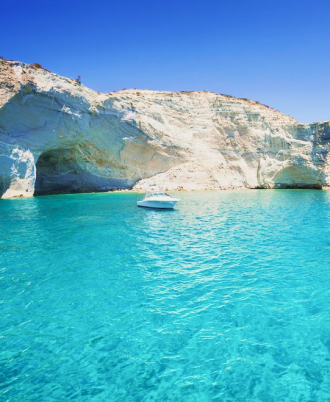

March marks the start of spring in Greece. The weather becomes milder and more pleasant than winter months. But it’s still cooler than peak summer season. This makes March one of the best times to visit Greece if you want fewer crowds and comfortable temperatures.
Greece weather in March offers the perfect balance for travelers who want to explore without the intense heat of summer. You’ll find mild days, cool evenings, and the first signs of spring everywhere you look. In fact, the country starts to wake up from its winter quiet. As a result, flowers begin to bloom across the countryside. And many tourist sites become much more enjoyable to visit.
A local travel specialist can help you make the most of March weather in Greece. They know which regions are warmest during this time. They also understand how weather patterns affect different activities and destinations. This insider knowledge helps you plan the perfect spring trip.
What to Expect from Greece Weather in March
March weather in Greece is generally mild and pleasant. Daytime temperatures range from 60°F to 68°F (15°C to 20°C) in most areas. Meanwhile, nights are cooler, dropping to around 45°F to 55°F (7°C to 13°C). So these temperatures make it comfortable for walking and sightseeing during the day.
Rain is still possible in March, but it’s less frequent than winter months. You might see about 8 to 10 rainy days during the month. When it does rain, it’s usually short showers rather than all-day downpours. The sun shines for about 6 to 7 hours per day on average.
The sea temperature is still cool in March, around 61°F to 64°F (16°C to 18°C). This makes swimming less appealing for most people. However, the cooler sea temperatures also mean fewer crowds at coastal areas. You can enjoy beaches for walking and exploring without the summer rush.
Wind patterns in March can vary by region. The northern areas might still experience some winter winds. But overall, March is much calmer than the windy months of winter. This makes ferry travel more reliable and comfortable.
Humidity levels are moderate in March. Also, the air feels fresh and clean, especially after rain showers. As a result, this creates perfect conditions for outdoor activities like hiking and exploring ancient sites.
March Weather Across Different Regions of Greece

Greece weather in March varies depending on where you travel. In fact, each region has its own climate patterns and characteristics during this spring month.
Athens and Central Greece
Athens enjoys mild weather in March. Daytime temperatures reach 65°F to 68°F (18°C to 20°C). Meanwhile, nights cool down to around 50°F (10°C). The city gets about 6 hours of sunshine daily. Additionally, rain occurs on roughly 8 days during the month.
March is perfect for exploring Athens’ ancient sites. The Acropolis is much more comfortable to visit than in summer heat. You can walk around the city without feeling too hot or too cold. A local specialist can arrange visits during the best weather windows each day.
Central Greece, including areas like Delphi and Meteora, has similar temperatures to Athens. But these mountainous regions can be slightly cooler, especially at higher elevations. Morning fog is common in valleys during March.
Greek Islands
The Greek islands have the mildest March weather in the country. For example, Santorini, Mykonos, and other Cycladic islands see temperatures of 63°F to 70°F (17°C to 21°C) during the day. Meanwhile, nights stay around 55°F (13°C).
Island weather in March is generally drier than the mainland. So you’ll see fewer rainy days and more sunshine. Also, the sea breeze keeps temperatures comfortable throughout the day. That’s why March makes an excellent time for island hopping.
Ferry schedules start to increase in March as the tourist season begins. But you’ll still find much fewer crowds than summer months. A travel specialist can help you plan island routes that take advantage of the best weather patterns.
Northern Greece
Northern regions like Thessaloniki experience cooler March weather. Daytime temperatures range from 55°F to 63°F (13°C to 17°C). Meanwhile, nights can drop to 40°F to 45°F (4°C to 7°C).
This region sees more rain in March than southern areas. You might encounter 10 to 12 rainy days during the month. Snow is still possible in mountainous areas of northern Greece, though it’s less common than earlier winter months.
Despite cooler temperatures, northern Greece offers unique March experiences. The region is less crowded than popular southern destinations. And the cooler weather is perfect for exploring cities and cultural sites.
Crete and Southern Islands
Crete enjoys some of the warmest March weather in Greece. Daytime temperatures reach 68°F to 72°F (20°C to 22°C). Meanwhile, nights stay mild at around 55°F to 59°F (13°C to 15°C).
The large size of Crete creates different microclimates across the island. Southern coastal areas are warmer than northern regions. Mountain areas in the center can be significantly cooler and may still have snow at high elevations.
Other southern islands like Rhodes also have pleasant March weather. These destinations offer the best combination of warm temperatures and fewer crowds during this month.
Why March is Perfect for Different Types of Travelers

March weather in Greece suits many different travel styles and preferences. In fact, the mild temperatures and fewer crowds create ideal conditions for various activities.
Families with Children
March is excellent for families traveling to Greece. The weather is comfortable for children to explore and play outside. Temperatures aren’t too hot for long walks or outdoor activities. And the cooler weather means kids won’t get overheated easily.
Many family-friendly attractions are less crowded in March. This makes visits more enjoyable and less stressful. A local travel specialist can recommend activities that work well for families during March weather. They also know which destinations have the best facilities for children during the shoulder season.
Beach time might be limited due to cool sea temperatures. But families can still enjoy coastal areas for walking, exploring, and playing in the sand. The lack of summer crowds means more space for children to run and play.
Couples Seeking Romance
March creates a romantic atmosphere in Greece. The mild weather is perfect for long walks through ancient sites and charming villages. Plus, fewer tourists mean more intimate experiences at popular destinations.
The spring season brings blooming flowers and fresh green landscapes. This makes nice backdrops for romantic moments. Sunsets are still pretty in March, but you won’t have to fight summer crowds to enjoy them.
Restaurant terraces and outdoor cafes start to open more regularly in March. So couples can enjoy al fresco dining in comfortable temperatures. Additionally, a travel specialist can arrange special experiences that take advantage of the pleasant March weather.
Luxury Travelers
March offers luxury travelers the best of both worlds. You get pleasant weather without the peak season crowds and prices. In fact, high-end hotels and resorts often have better availability and service during this time.
The mild temperatures are perfect for spa treatments and wellness activities. Also, many luxury properties have outdoor facilities that become enjoyable again in March. So you can use pools, terraces, and gardens comfortably.
Cultural experiences are more exclusive in March. For example, private tours of archaeological sites are more intimate without summer crowds. Additionally, a local specialist can arrange luxury experiences that take full advantage of the pleasant March conditions.
What to Pack for Greece in March
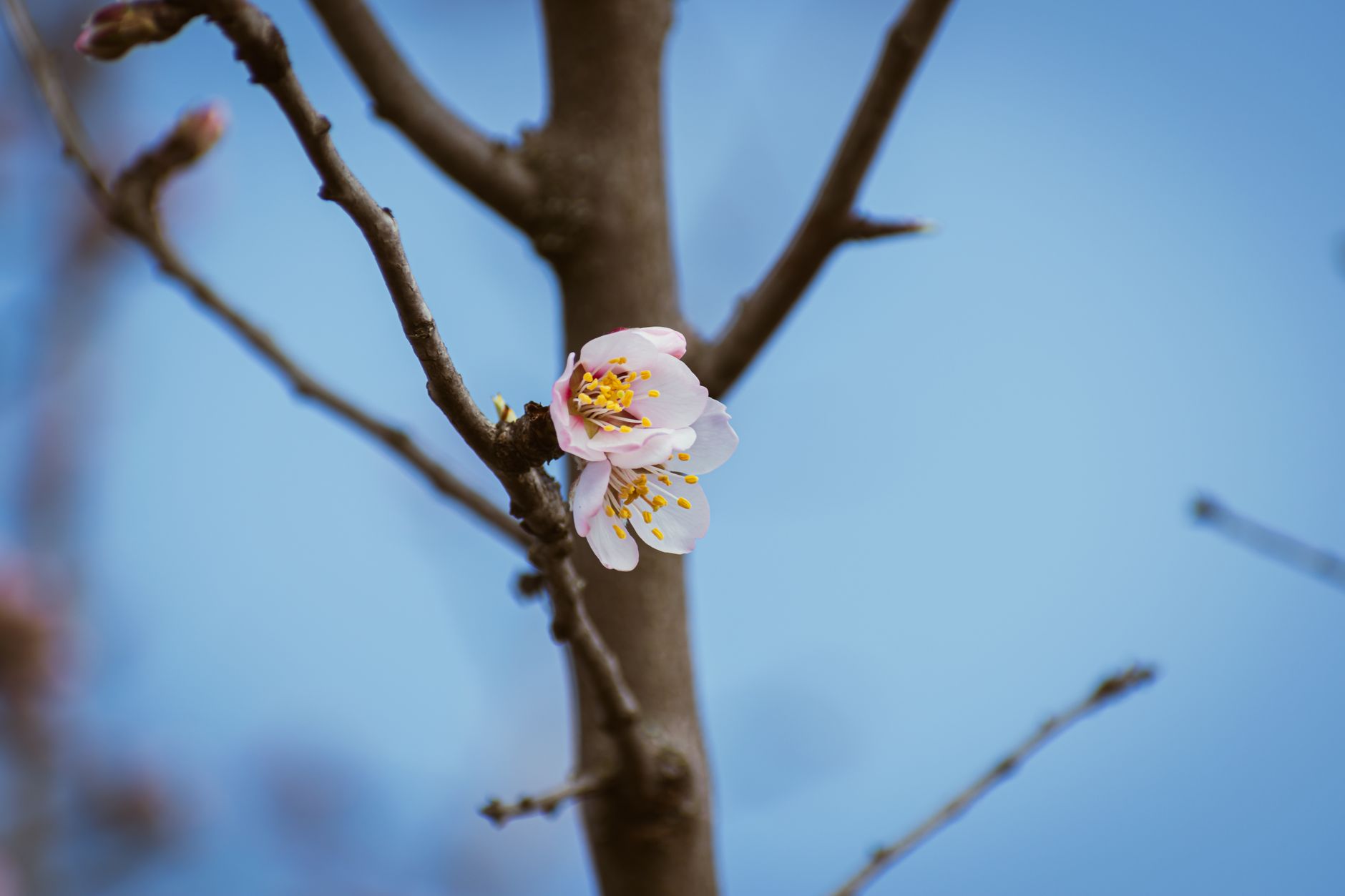
Packing for Greece weather in March requires planning for variable conditions. So you’ll need clothes for mild days, cool evenings, and possible rain showers.
Essential Clothing Items
First, bring layers that you can add or remove as temperatures change throughout the day. A light sweater or cardigan is essential for cooler mornings and evenings. Then, during the day, you’ll be comfortable in long pants and a light shirt or blouse.
Pack a waterproof jacket or light raincoat. March can still bring occasional showers, and you’ll want to stay dry while exploring. Choose something that’s easy to carry when not needed.
Comfortable walking shoes are crucial for March travel in Greece. That’s why you’ll do lots of walking on ancient sites and cobblestone streets. Also, make sure your shoes have good grip for potentially wet surfaces after rain.
Bring one warm layer for cooler days or higher elevations. A fleece jacket or warm sweater will keep you comfortable if temperatures drop or if you visit mountainous areas.
Accessories and Extras
A light scarf can be useful for cooler evenings or windy days. It’s also helpful for visiting religious sites that require covered shoulders. Choose something versatile that works with multiple outfits.
Sunglasses and a hat are important even in March. The sun can be strong during clear days, especially when reflecting off water or white buildings. But you won’t need the heavy sun protection required in summer months.
An umbrella is worth packing for March travel. Choose a compact, travel-friendly option that fits easily in your day bag. This gives you flexibility if you encounter unexpected showers.
Bring a small day pack for carrying layers as you add or remove them throughout the day. This is also useful for carrying water, snacks, and other essentials while exploring.
What to Leave at Home
You won’t need heavy winter coats or boots for March travel in Greece. The weather is mild enough that these items will just take up space in your luggage. Similarly, summer clothes like shorts and tank tops might be too cool for most March days.
Heavy sweaters and thick jackets are usually unnecessary unless you plan to visit high mountain areas. The mild March temperatures don’t require heavy winter clothing in most parts of Greece.
Beach gear like swimsuits and beach towels are optional in March. While you can pack them just in case, the cool sea temperatures mean you probably won’t use them much.
Activities That Shine in March Weather
Greece weather in March creates perfect conditions for many activities that are less enjoyable in extreme summer heat or winter cold.
Archaeological Site Exploration
March is one of the best months for visiting Greece’s ancient sites. For example, the Acropolis in Athens is much more comfortable to explore without summer crowds and heat. So you can take your time examining details and taking photos without feeling rushed or overheated.
Delphi, Olympia, and other major archaeological sites are perfect in March weather. That’s why the mild temperatures make walking and climbing more enjoyable. So you can spend hours exploring without getting exhausted from heat or cold.
A local travel specialist can time your visits to archaeological sites for the best weather conditions each day. They know when morning fog clears and when afternoon light is best for photography.
Hiking and Nature Activities
March weather is ideal for hiking in Greece. The temperatures are comfortable for physical activity, and the spring season brings beautiful wildflowers to mountain trails. Many hiking areas that are too hot in summer or too cold in winter become perfect in March.
The Samaria Gorge in Crete often opens for the season in March, depending on weather conditions. Additionally, other popular hiking destinations across Greece are at their best during this month. That’s why the cooler temperatures make longer hikes more enjoyable.
Spring brings migrating birds back to Greece, making March excellent for birdwatching. Also, the mild weather means you can spend hours outdoors observing wildlife without discomfort.
Cultural Experiences
March is perfect for exploring Greece’s cities and towns. The weather is comfortable for walking through neighborhoods, visiting museums, and enjoying outdoor markets. So you can experience local culture without the overwhelming crowds of peak season.
Outdoor festivals and events start to return in March as the weather improves. In fact, local celebrations and cultural activities become more frequent as communities prepare for the tourist season.
Cooking classes and food tours are particularly enjoyable in March. That’s why the mild weather makes outdoor market visits and al fresco dining more pleasant. So you can learn about Greek cuisine in comfortable conditions.
Photography and Sightseeing
March offers great conditions for photography in Greece. In fact, the spring light is soft and nice, especially during golden hour. Plus, fewer crowds mean you can take classic shots without people in the background.
The blooming wildflowers and fresh green landscapes create colorful photo opportunities. Also, ancient sites look particularly beautiful framed by spring vegetation. Additionally, a travel specialist can recommend the best times and locations for photography during March.
Sightseeing is more relaxed in March. You can visit multiple destinations in a day without getting exhausted from heat. The comfortable temperatures make long days of exploration enjoyable rather than tiring.
Comparing March to Other Months
Understanding how Greece weather in March compares to other months helps you choose the best time for your travel style and preferences.
March vs. Peak Summer Months
March offers significantly cooler temperatures than July and August. While summer temperatures can reach 85°F to 95°F (29°C to 35°C), March stays comfortable at 60°F to 68°F (15°C to 20°C). This makes March much better for active sightseeing and outdoor activities.
Crowds are dramatically smaller in March compared to summer months. For example, popular destinations that are packed in July and August are peaceful and manageable in March. So you can enjoy famous sites without fighting crowds for photos or space.
Hotel rates and flight prices are typically lower in March than peak summer season. That’s why March makes an excellent value for travelers who want to experience Greece without peak season costs.
The main trade-off is swimming weather. Summer months offer warm sea temperatures perfect for beach activities, while March seas are too cool for most people. However, March compensates with perfect weather for cultural activities and exploration.
March vs. Winter Months
March weather is significantly warmer and more pleasant than January and February. Winter temperatures can drop to 45°F to 55°F (7°C to 13°C) during the day, while March reaches 60°F to 68°F (15°C to 20°C).
Rainfall decreases in March compared to winter months. While January and February can be quite wet, March sees fewer rainy days and more sunshine. This makes outdoor activities much more reliable.
Many tourist services that close or reduce hours during winter start to reopen in March. For instance, ferry schedules increase, restaurants extend their hours, and attractions prepare for the coming season. So this gives you more options and flexibility.
The spring season brings energy and renewal to Greece. After the quiet winter months, March feels alive with preparation for the tourist season. In fact, locals are more active, and there’s a sense of anticipation in the air.
March vs. Other Shoulder Season Months
March shares many advantages with other shoulder season months like April, May, October, and November. In fact, all these months offer fewer crowds and comfortable temperatures compared to peak season.
However, March has some unique characteristics. It’s cooler than April and May, which continue warming toward summer. But it’s warmer than October and November, which are cooling toward winter.
March represents the beginning of the tourist season, while October and November mark the end. This means March has an energy of anticipation and preparation, while fall months have a more relaxed, winding-down feeling.
For travelers who prefer cooler weather and don’t mind occasional rain, March can be preferable to later spring months. However, for those who want warmer temperatures and more reliable sunshine, weather in Greece in April or May might be better choices.
Regional Weather Variations in March
Greece’s diverse geography creates different weather patterns across the country during March. That’s why understanding these variations helps you choose the best destinations for your preferences.
Island vs. Mainland Differences
Greek islands generally have milder March weather than the mainland. In fact, the surrounding sea moderates temperatures, keeping islands warmer during cool spells and cooler during warm periods. So this creates more stable, comfortable conditions throughout the month.
Islands also tend to be windier than mainland areas in March. While this can make some days feel cooler, it also helps clear away clouds and rain more quickly. The wind patterns vary by island location and orientation.
Mainland areas can experience more dramatic temperature swings in March. Mountain regions and northern areas may still have cold snaps, while southern coastal areas can have surprisingly warm days. This variability requires more flexible packing and planning.
Ferry travel between islands becomes more reliable in March as winter storms decrease. However, some routes may still have reduced schedules compared to peak season. A local travel specialist can help you plan island hopping that accounts for March weather patterns and ferry availability.
Elevation Effects
Higher elevation areas in Greece remain cooler throughout March. Mountain regions like the Pindus range in northern Greece may still have snow, especially above 3,000 feet (900 meters). This creates opportunities for different types of activities depending on your elevation.
Coastal areas at sea level have the mildest March temperatures. That’s why these regions benefit from maritime influence and protection from cold mountain winds. So beach towns and coastal cities offer the most comfortable conditions for outdoor activities.
Mid-elevation areas, such as hill towns and archaeological sites on elevated ground, experience moderate temperatures. In fact, these locations often have the best combination of mild weather and interesting sights to explore.
The elevation differences mean you can experience different seasons in the same day by changing altitude. So a local specialist can plan itineraries that take advantage of these variations to maximize comfort and enjoyment.
Microclimates and Local Variations
Large islands like Crete have distinct microclimates that affect March weather. The southern coast is typically warmer and drier than the northern coast. Mountain areas in the center can be significantly cooler and may still have snow.
Urban areas tend to be slightly warmer than rural regions due to the heat island effect. For example, cities like Athens and Thessaloniki may be 2-3 degrees warmer than surrounding countryside. That’s why this can make city exploration more comfortable on cooler March days.
Coastal orientation affects local weather patterns. South-facing coasts receive more direct sunlight and tend to be warmer. North-facing areas may be cooler and experience more wind. These differences can be significant when choosing specific beaches or coastal towns to visit.
Valley areas often have morning fog in March that clears by mid-morning. In fact, this is common in regions like central Greece and can affect early morning activities. So planning your daily schedule around these patterns improves your experience.
Making the Most of March Weather in Greece
Greece weather in March offers unique opportunities that aren’t available during other seasons. That’s why understanding how to take advantage of these conditions enhances your travel experience.
Timing Your Daily Activities
March weather patterns in Greece are fairly predictable, allowing you to plan activities for optimal conditions. For example, mornings are often cool and may have fog in some areas. So this makes them perfect for indoor activities like museum visits or leisurely breakfasts.
Mid-morning to early afternoon typically offers the warmest, most pleasant conditions. That’s why this is the ideal time for outdoor sightseeing, walking tours, and photography. In fact, the spring light is particularly beautiful during these hours.
Late afternoon can bring cooling temperatures and occasional wind. So this makes it a good time for indoor cultural activities or relaxing at your accommodation. Also, many locals take afternoon breaks during this time.
Evenings are cool but pleasant for dining outdoors with appropriate clothing. Many restaurants start extending their outdoor seating in March, taking advantage of the improving weather. A local specialist can recommend restaurants with the best outdoor spaces for March conditions.
Flexible Planning Strategies
March weather can be variable, so building flexibility into your plans is important. Having both indoor and outdoor options for each day allows you to adapt to changing conditions. This approach ensures you always have something enjoyable to do regardless of weather.
Consider planning more demanding outdoor activities for the beginning of your trip when you have more energy and flexibility to reschedule if needed. Save indoor cultural activities and relaxed experiences for later in your trip when you might appreciate a slower pace.
Book accommodations with good indoor common areas or amenities in case you need to spend time inside during poor weather. In fact, many hotels and guesthouses have lobbies, libraries, or other spaces that become valuable during rainy periods.
A local travel specialist can provide real-time weather updates and suggestions for adjusting your itinerary based on current conditions. That’s why their local knowledge helps you make the most of good weather windows and find alternatives during less favorable periods.
Seasonal Advantages
March offers several unique advantages that aren’t available during other times of year. In fact, the combination of mild weather and fewer crowds creates opportunities for more intimate experiences at popular destinations.
Photography enthusiasts benefit from the soft spring light and blooming landscapes. For example, many locations that are overrun with tourists in summer are peaceful and photogenic in March. So the changing season provides dynamic subjects for nature and landscape photography.
Cultural experiences are more authentic in March as destinations prepare for the tourist season but haven’t yet been overwhelmed by visitors. You can interact more easily with locals and experience daily life in Greek communities.
The shoulder season pricing in March makes luxury experiences more accessible. That’s why high-end hotels, private tours, and exclusive activities often have better availability and rates during this time. So this allows you to enjoy premium experiences that might be prohibitively expensive during peak season.
Travel conditions can change — we recommend confirming details with a local specialist before your trip.
FAQ
What is the average temperature in Greece in March?
Greece weather in March features average daytime temperatures of 60°F to 68°F (15°C to 20°C) and nighttime temperatures of 45°F to 55°F (7°C to 13°C). In fact, islands tend to be slightly warmer than mainland areas. Also, northern regions are cooler than southern areas. So these mild temperatures make March comfortable for sightseeing and outdoor activities.
Does it rain a lot in Greece in March?
March sees moderate rainfall in Greece with about 8 to 10 rainy days during the month. Rain usually comes as short showers rather than all-day downpours. Southern islands typically have less rain than northern mainland areas. The rain helps create the beautiful spring wildflower displays that make March so scenic.
Is March a good time to visit the Greek islands?
Yes, March is an excellent time to visit the Greek islands. The weather is mild and pleasant with fewer crowds than summer months. Additionally, ferry schedules start to increase as the season begins. While sea temperatures are too cool for swimming, the islands offer perfect conditions for sightseeing, walking, and cultural activities. In fact, many island businesses start reopening after winter closures.
What should I pack for Greece in March?
Pack layers for variable March weather in Greece. First, bring light sweaters, long pants, comfortable walking shoes, and a waterproof jacket. Also, include a warm layer for cool evenings and a light scarf for versatility. Don’t forget sunglasses and a hat for sunny days. Additionally, an umbrella is useful for occasional showers. Finally, avoid heavy winter coats or summer clothes.
Can you swim in Greece in March?
Swimming in Greece in March is possible but not comfortable for most people. Sea temperatures range from 61°F to 64°F (16°C to 18°C), which feels quite cold. Some hardy swimmers might enjoy brief dips, but most visitors prefer to enjoy beaches for walking and exploring rather than swimming. The cooler water means fewer crowds at coastal areas.