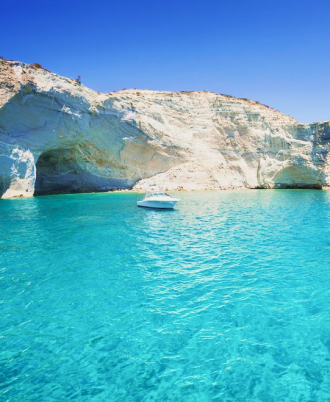

Red Beach Santorini stands out as one of Greece’s most unique coastal destinations. This volcanic beach gets its name from the deep red cliffs that tower above dark pebbles and sand. In fact, the contrast between the red rocks and blue Aegean Sea creates a scene you won’t find anywhere else in the world.
Located on Santorini’s southern coast near the village of Akrotiri, Red Beach sits beneath ancient volcanic cliffs that tell the story of the island’s dramatic past. The beach formed thousands of years ago when volcanic activity shaped Santorini’s landscape. Today, these same red and black rocks make Red Beach one of the most photographed spots in all of Greece.
But Red Beach offers more than just stunning views. The clear waters are perfect for swimming and snorkeling. And the unique geology creates natural shade areas where you can escape the Greek sun. For travelers seeking both natural beauty and comfort, the nearby Akrotiri area provides luxury accommodations and fine dining options.
Whether you’re planning a romantic trip, a family adventure, or a luxury escape, Red Beach Santorini deserves a spot on your itinerary. That’s why this guide covers everything you need to know about visiting this great volcanic beach.
What Makes Red Beach Santorini Special
Red Beach gets its distinctive look from the iron-rich volcanic rocks that surround it. These cliffs formed during ancient eruptions that shaped Santorini’s unique landscape. Specifically, the red color comes from oxidized iron in the volcanic material. Over thousands of years, wind and waves have carved these cliffs into dramatic formations.
The beach itself combines dark volcanic sand with smooth pebbles. This creates a striking contrast against the red cliffs and blue sea. The volcanic origin also means the water stays clear and clean. There’s no muddy runoff from rivers or streams.
The cliffs provide natural windbreaks that make Red Beach more sheltered than many other Santorini beaches. This protection creates calmer waters that are ideal for swimming. The volcanic rocks also heat up during the day, which helps warm the sea temperature.
Red Beach is relatively small compared to other famous Greek beaches. This intimate size adds to its charm. But it also means the beach can get crowded during peak season. A local travel specialist can help you time your visit to avoid the biggest crowds.
The unique geology continues underwater. In fact, the sea floor drops off gradually, making it safe for swimmers of all levels. Additionally, snorkelers will find interesting rock formations and marine life around the volcanic boulders that dot the shoreline.
Getting to Red Beach
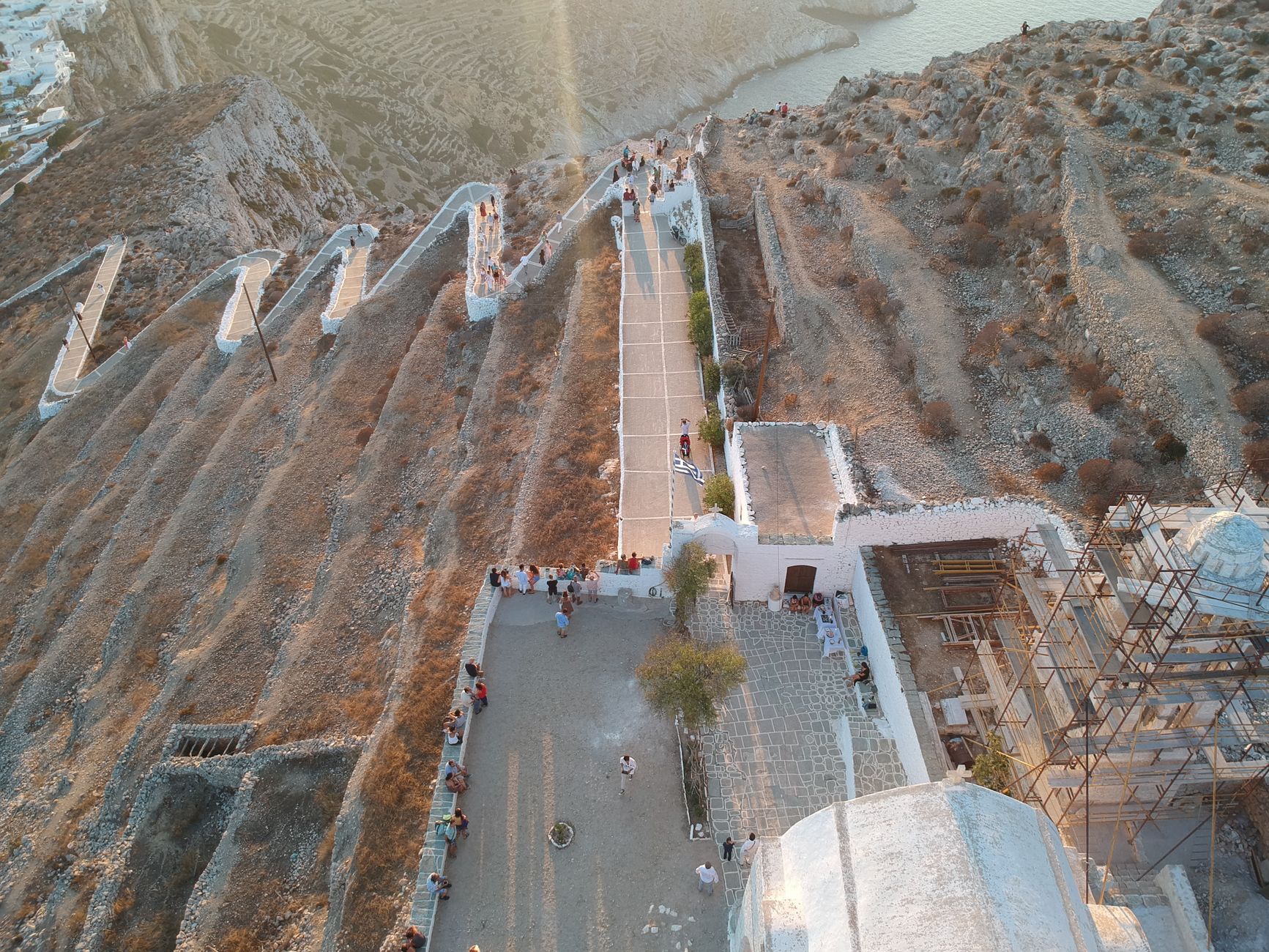
Red Beach sits about 15 kilometers from Fira, Santorini’s main town. The journey takes you through some of the island’s most scenic countryside. Along the way, you’ll pass traditional villages, ancient ruins, and vineyards that grow in volcanic soil.
The final approach to Red Beach requires a short hike down a rocky path. This trail starts from a small parking area near Akrotiri village. The walk takes about 10 minutes and involves some scrambling over volcanic rocks. The path can be slippery, especially after rain or early in the morning when dew makes the rocks wet.
For families with young children or travelers who prefer easier access, a local travel specialist can arrange boat transfers to Red Beach. These boats depart from nearby Akrotiri port and provide a comfortable way to reach the beach. The boat ride also offers great views of the red cliffs from the water.
The hiking path down to Red Beach is not suitable for wheelchairs or mobility aids. However, you can still enjoy views of the beach from the clifftop viewpoint. This spot provides excellent photo opportunities without requiring the hike down.
Most visitors combine Red Beach with other nearby attractions. For example, the ancient Akrotiri archaeological site is just a few minutes away by car. This Bronze Age settlement was preserved by volcanic ash, creating a fascinating glimpse into ancient Greek life.
Best Times to Visit Red Beach
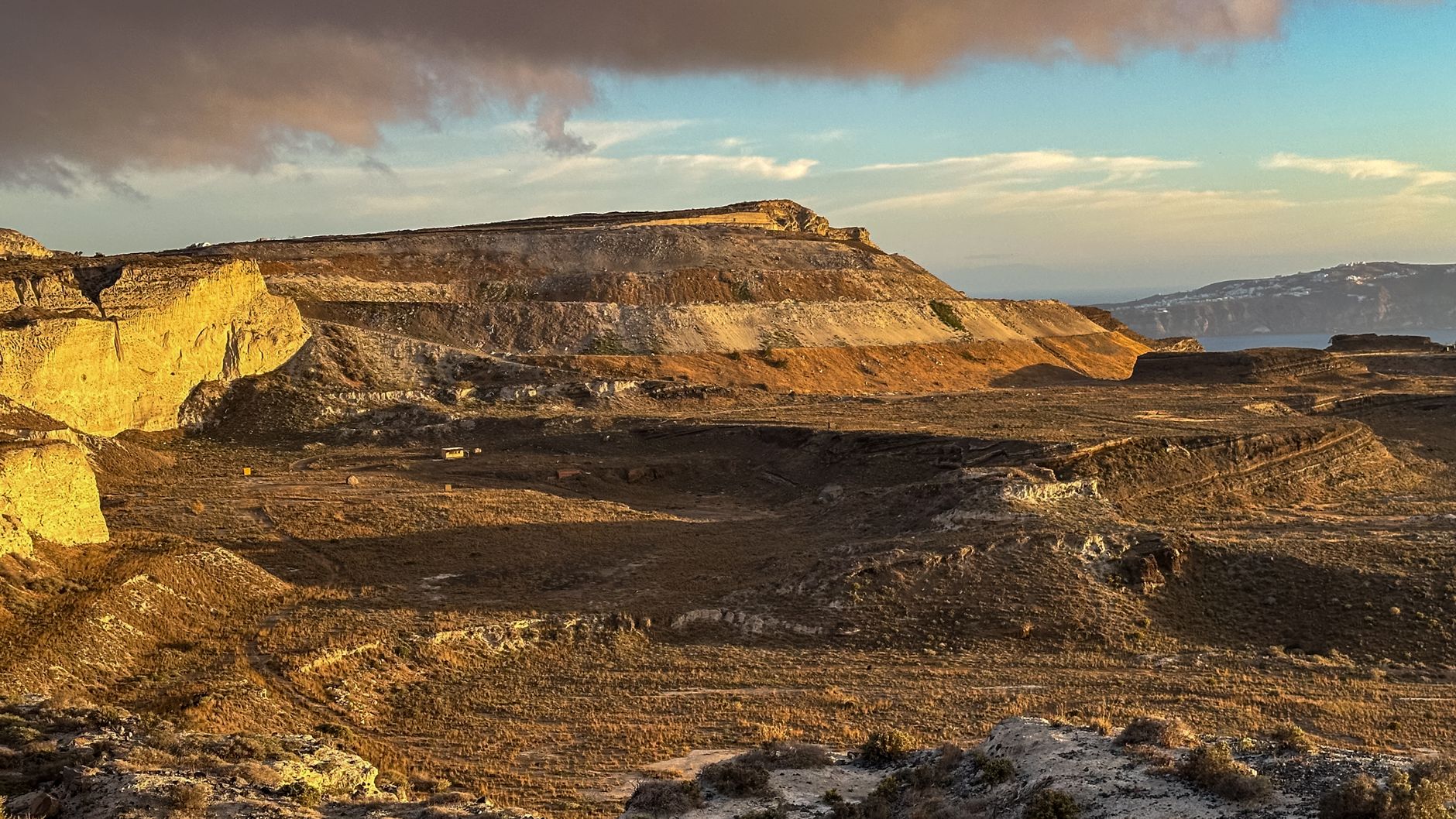
The timing of your Red Beach visit can make a huge difference in your experience. That’s why each season offers different advantages for travelers with varying preferences.
Summer months from June to August bring the warmest weather and calmest seas. Water temperatures reach their peak, making swimming most comfortable. But summer also brings the biggest crowds. The beach fills up quickly, especially between 11 AM and 4 PM.
For luxury travelers who prefer a more exclusive experience, early morning or late afternoon visits work best during summer. The light is also better for photography during these golden hours. A local travel specialist can arrange private boat access during less crowded times.
Spring and fall offer the best balance of good weather and fewer crowds. May and September still provide warm temperatures for swimming. But the beach feels much more peaceful. These months also offer better hiking conditions for the path down to the beach.
Winter visits to Red Beach are possible but require different expectations. The sea is too cold for most people to swim comfortably. But the dramatic landscape looks even more striking under winter skies. Storm waves create impressive displays against the red cliffs.
Weather conditions can change quickly in the Aegean Sea. A local expert can monitor forecasts and suggest the best days for your Red Beach visit. They’ll know when winds might make the hike dangerous or when calm conditions create perfect swimming weather.
What to Expect at Red Beach

Red Beach is a natural, undeveloped beach with no commercial facilities. This means no beach bars, restaurants, or equipment rentals directly on the sand. The lack of development preserves the beach’s wild beauty but requires some preparation.
The beach surface combines volcanic pebbles with coarse dark sand. This can be tough on bare feet, so water shoes are recommended. The pebbles also get very hot during summer afternoons. Beach mats or towels provide essential comfort for lounging.
Natural shade is limited to small areas beneath overhanging rocks. In fact, most of the beach sits in full sun throughout the day. So bringing an umbrella or pop-up shelter is essential for comfort, especially for families with children.
The water at Red Beach is typically calm and clear. The volcanic sea floor creates interesting underwater scenery for snorkelers. But the rocky bottom and pebble beach mean no soft sand for building castles or playing beach games.
Swimming conditions are generally safe for adults and confident swimmers. The water deepens gradually from shore. But there are no lifeguards on duty. Parents should supervise children closely, especially around the rocky areas at each end of the beach.
The dramatic cliffs provide excellent photo opportunities throughout the day. But the best lighting occurs during golden hour, about an hour before sunset. The red rocks glow with warm light that creates magical photography conditions.
Photography Tips for Red Beach
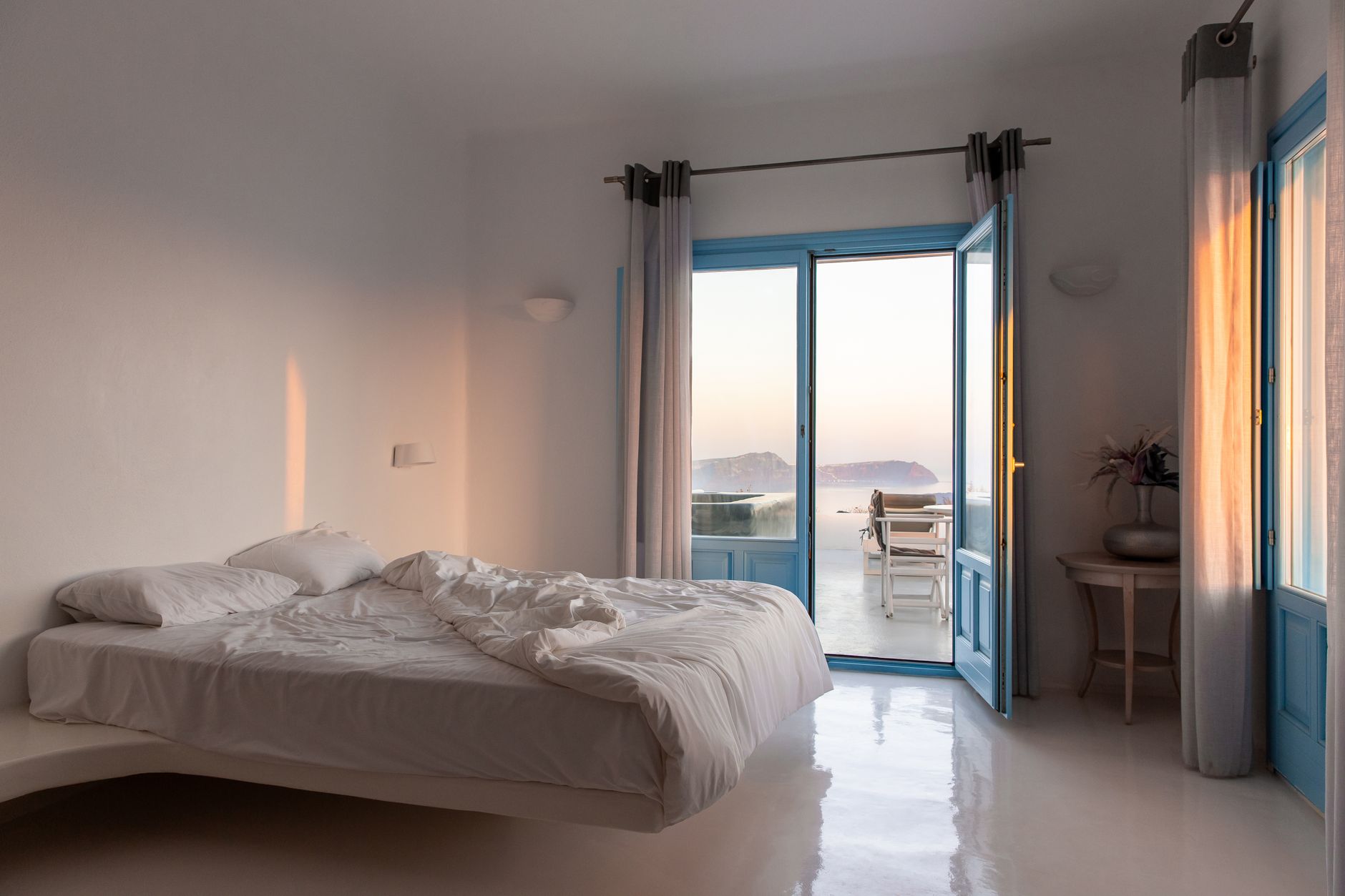
Red Beach offers some of Greece’s most dramatic coastal photography opportunities. The contrast between red cliffs, dark beach, and blue sea creates striking compositions. But the unique conditions require specific techniques for best results.
The red cliffs look most impressive when lit from the side rather than straight on. This side lighting brings out the texture and color variations in the volcanic rock. Morning light from the east works well, but late afternoon light from the west creates the most dramatic effects.
For wide landscape shots, include some of the dark beach in the foreground. This creates depth and shows the scale of the cliffs. Additionally, a polarizing filter helps reduce glare from the water and makes the red rocks appear more saturated.
The contrast between light cliffs and dark water can challenge camera meters. So try taking multiple exposures and blending them later. Alternatively, use graduated neutral density filters to balance the exposure between sky and foreground.
People in photos help show the massive scale of Red Beach’s cliffs. But be respectful of other visitors’ privacy. A telephoto lens lets you capture the human element without intruding on others’ beach experience.
Underwater photography works well in Red Beach’s clear waters. The volcanic rocks create interesting foreground elements for snorkeling shots. But protect your camera equipment from the abrasive volcanic sand and pebbles.
A local travel specialist can suggest the best vantage points and timing for photography. They know when conditions create the most dramatic lighting and can arrange access to less crowded viewpoints.
Swimming and Snorkeling at Red Beach
Red Beach’s volcanic origin creates unique underwater conditions that appeal to swimmers and snorkelers. In fact, the clear water provides excellent visibility, often extending 20 meters or more on calm days. Additionally, the rocky sea floor creates an interesting landscape different from typical sandy beaches.
Water temperatures vary significantly by season. Summer months from June through September offer the warmest swimming, with temperatures reaching 24-26°C (75-79°F). Spring and fall provide comfortable swimming for most people, though you might want a wetsuit for longer sessions.
The beach’s protected location means calmer waters than many exposed Santorini beaches. But conditions can change with weather patterns. Strong north winds, called Meltemi, can create choppy conditions even in the sheltered bay.
For snorkeling, the rocky areas at both ends of the beach offer the most interesting underwater scenery. Small fish hide among the volcanic boulders, and the rock formations create swim-through passages. But be careful of sharp edges on the volcanic rocks.
The water deepens gradually from shore, making entry easy for most swimmers. But the pebble and rock bottom can be slippery. Take your time entering and exiting the water, especially when waves are present.
Families should note that there are no lifeguards at Red Beach. Therefore, parents need to supervise children closely. Most importantly, the rocky areas can be particularly hazardous for young swimmers who might not judge distances well underwater.
Luxury Amenities Near Red Beach
While Red Beach itself remains undeveloped, the nearby Akrotiri area offers excellent luxury amenities for discerning travelers. Several high-end resorts provide easy access to Red Beach while offering the comfort and service that luxury travelers expect.
Premium accommodations in Akrotiri feature private pools, spa services, and gourmet restaurants. Additionally, many properties offer stunning views of the Aegean Sea and the volcanic landscape that makes this area special. On top of that, some resorts provide private beach access or boat transfers to Red Beach.
Fine dining options near Red Beach focus on fresh seafood and local Santorini specialties. Also, several restaurants offer outdoor terraces with sunset views. Furthermore, the volcanic soil in this area produces unique wines that pair perfectly with Mediterranean cuisine.
For travelers who prefer not to hike down to Red Beach, luxury boat charters provide comfortable access. These private vessels can anchor near the beach, allowing you to swim in the clear waters without dealing with crowds on shore. Additionally, some charters include gourmet meals and wine service.
Spa services in the Akrotiri area often incorporate volcanic elements from the local environment. For example, treatments might include volcanic sand scrubs or mineral-rich mud masks. These services provide relaxation after a day exploring Red Beach and other Santorini attractions.
A local travel specialist can arrange luxury amenities that enhance your Red Beach experience. They know which properties offer the best access and can coordinate services like private transfers, boat charters, and restaurant reservations.
What to Bring to Red Beach
Red Beach’s undeveloped nature means you need to bring everything required for a comfortable day at the beach. That’s why proper preparation makes the difference between an enjoyable visit and an uncomfortable experience.
Water shoes are essential for Red Beach. The volcanic pebbles and rocks can be sharp and get extremely hot in summer sun. So good water shoes protect your feet during the hike down and make walking on the beach much more comfortable.
Sun protection is critical at Red Beach. In fact, the red cliffs reflect additional heat and light, intensifying sun exposure. Therefore, bring high-SPF sunscreen, a wide-brimmed hat, and UV-protective clothing. Also, an umbrella or pop-up shelter provides essential shade.
Plenty of water is necessary, especially during summer visits. The hike down to the beach and the intense sun can lead to dehydration quickly. So bring more water than you think you’ll need. Additionally, there are no facilities to buy drinks at the beach.
Snacks and meals need to come with you. The nearest restaurants are back in Akrotiri village, about a 15-minute walk plus the hike up from the beach. Pack foods that won’t spoil in the heat and bring a cooler if possible.
A first aid kit is wise for any Red Beach visit. The rocky terrain increases the chance of cuts or scrapes. Include bandages, antiseptic, and any personal medications. The nearest medical facilities are in Fira, about 30 minutes away.
Don’t forget a waterproof bag for your phone and camera. The combination of water, sand, and volcanic dust can damage electronics quickly. Also, bring extra batteries or a portable charger, as the remote location offers no power sources.
Red Beach for Families
Red Beach can work well for families, but it requires more planning than typical beach destinations. The unique environment offers educational opportunities while providing a memorable experience for children and adults.
The hike down to Red Beach is manageable for most children over age 8. However, younger children might struggle with the rocky terrain and distance. So parents should assess their children’s hiking abilities honestly. Additionally, the path can be slippery and requires some scrambling over rocks.
Once at the beach, children are often fascinated by the volcanic landscape. The red cliffs and black sand provide natural science lessons about geology and volcanoes. Plus, many kids enjoy collecting interesting volcanic rocks and pebbles.
Swimming conditions at Red Beach are generally safe for children who are comfortable in the water. But parents must supervise closely since there are no lifeguards. The rocky bottom and lack of sandy areas mean this isn’t ideal for very young children who like to play in shallow water.
For families with young children or those preferring easier access, boat trips to Red Beach work better than hiking. In fact, several operators offer family-friendly boat tours that include Red Beach as part of a larger coastal exploration.
The lack of facilities at Red Beach means families need to bring everything. This includes extra water, snacks, first aid supplies, and entertainment for children. The remote location makes it impossible to buy forgotten items.
A local travel specialist can suggest family-friendly alternatives if Red Beach doesn’t suit your group. They know which Santorini beaches offer better facilities for families while still providing unique volcanic landscapes.
Combining Red Beach with Other Santorini Attractions
Red Beach works perfectly as part of a larger Santorini exploration. Its location near Akrotiri puts you close to several other must-see attractions that complement the beach experience.
The Akrotiri Archaeological Site sits just minutes from Red Beach. This ancient Minoan settlement was preserved by volcanic ash around 1600 BC. As a result, the site offers fascinating insights into Bronze Age life and provides context for understanding Santorini’s volcanic history.
Akrotiri Lighthouse, located at Santorini’s southwestern tip, provides stunning sunset views. The short drive from Red Beach takes you through scenic countryside. Additionally, the lighthouse area offers dramatic clifftop views and is less crowded than famous sunset spots in Oia.
Several excellent wineries operate near Red Beach. In fact, Santorini’s volcanic soil produces unique wines that you can’t taste anywhere else. Plus, wine tours often include tastings paired with local foods and education about volcanic viticulture.
The traditional village of Megalochori lies about 10 minutes from Red Beach. This authentic settlement shows traditional Santorini architecture without the crowds of more famous villages. Moreover, local tavernas serve excellent food in a genuine Greek atmosphere.
For those interested in more beaches, White Beach and Black Beach are both accessible by boat from Red Beach area. These beaches showcase different aspects of Santorini’s volcanic geology and provide variety for beach lovers.
A local travel specialist can create itineraries that efficiently combine Red Beach with other attractions. They know the best routes, timing, and combinations to maximize your Santorini experience while avoiding crowds and logistical challenges.
Best Photography Spots Around Red Beach
Red Beach offers multiple photography opportunities beyond the beach itself. In fact, the dramatic volcanic landscape creates compelling compositions from various vantage points around the area.
The clifftop viewpoint above Red Beach provides the classic overview shot. This elevated position shows the full scale of the red cliffs and their relationship to the dark beach below. Additionally, early morning and late afternoon light work best for this perspective.
From the beach level, shooting up at the towering red cliffs creates dramatic compositions. Use people in the frame to show scale. These layered volcanic rock formations tell the story of multiple eruptions over thousands of years.
The hiking trail down to Red Beach offers several intermediate viewpoints. These positions provide unique angles that most visitors miss. In fact, the trail’s switchbacks create opportunities for shots that include both the red cliffs and the approaching sea.
Boat-based photography provides entirely different perspectives of Red Beach. From the water, you can capture the full sweep of the coastline and show how Red Beach fits into Santorini’s larger volcanic landscape. Additionally, several boat tour operators offer photography-focused trips.
The nearby Akrotiri Lighthouse area provides sunset shots with Red Beach visible in the distance. This elevated position shows the relationship between different parts of Santorini’s southern coast. Plus, the lighthouse itself adds architectural interest to landscape compositions.
Underwater photography works well in Red Beach’s clear waters. The volcanic rock formations create interesting foreground elements. But protect equipment from the abrasive volcanic materials and be respectful of other swimmers and snorkelers.
Seasonal Considerations for Red Beach
Each season brings different conditions and experiences to Red Beach. That’s why understanding these variations helps you choose the best time for your travel style and preferences.
Summer (June-August) offers the warmest weather and calmest seas. Water temperatures peak during these months, making swimming most comfortable. But summer also brings intense heat that can make the hike to Red Beach challenging. The beach gets very crowded, especially during midday hours.
Spring (April-May) provides excellent conditions with fewer crowds. Weather is warm enough for swimming, though you might want a wetsuit for extended time in the water. The hiking trail is more comfortable in spring’s moderate temperatures. Wildflowers bloom in the volcanic landscape during this season.
Fall (September-October) offers some of the best Red Beach conditions. The sea remains warm from summer heating, but air temperatures become more comfortable. Crowds thin out significantly after August. Fall light can be particularly beautiful for photography.
Winter (November-March) brings a completely different Red Beach experience. Swimming is only for the very hardy, but the dramatic landscape looks even more impressive under stormy skies. Winter waves create amazing displays against the red cliffs. This season is ideal for photographers seeking dramatic seascapes.
Weather can change quickly in the Aegean Sea regardless of season. A local travel specialist monitors conditions and can suggest the best days for your Red Beach visit. They understand how wind patterns, wave conditions, and weather systems affect the beach experience.
Travel conditions can change — we recommend confirming details with a local specialist before your trip.
Frequently Asked Questions
How difficult is the hike to Red Beach Santorini? The hike to Red Beach takes about 10 minutes down a rocky path from the parking area near Akrotiri. The trail involves some scrambling over volcanic rocks and can be slippery, especially when wet. Most people in reasonable physical condition can manage it, but it’s not suitable for wheelchairs or those with mobility issues. Water shoes help protect your feet on the rocky terrain.
What’s the best time of day to visit Red Beach? Early morning (before 10 AM) and late afternoon (after 4 PM) offer the best experience at Red Beach. These times avoid the biggest crowds and intense midday heat. The lighting is also better for photography during golden hours. Summer visitors especially benefit from avoiding the crowded midday period when the volcanic rocks become extremely hot.
Can you reach Red Beach by boat instead of hiking? Yes, several boat operators offer trips to Red Beach from nearby Akrotiri port. This option works well for families with young children, travelers with mobility concerns, or those who prefer not to hike. Boat access also provides excellent views of the red cliffs from the water. A local travel specialist can arrange private boat transfers for a more exclusive experience.
What should I bring for a day at Red Beach? Essential items include water shoes (the volcanic rocks get very hot), plenty of water, sun protection (umbrella, sunscreen, hat), snacks or meals, and a first aid kit. Since Red Beach has no facilities, you need to bring everything for a comfortable visit. A waterproof bag protects electronics from sand and water.
Is Red Beach suitable for families with children? Red Beach can work for families, but requires careful planning. The hiking trail is manageable for children over 8, but younger kids might struggle. The rocky beach surface and lack of shallow sandy areas make it less ideal for very young children. There are no lifeguards, so parents must supervise swimming closely. Boat access might work better for families with small children.