
The journey from Mykonos to Santorini is one of Greece’s most popular island hops. In fact, these two islands sit about 64 nautical miles apart in the Aegean Sea. Most travelers choose between taking a ferry or catching a quick flight.
Both islands belong to the Cyclades group. Also, they share the same white-washed buildings and blue-domed churches. Yet each has its own personality. Mykonos is famous for its beaches and nightlife. Meanwhile, Santorini draws visitors with its dramatic cliffs and sunsets.
The trip from Mykonos to Santorini takes different amounts of time depending on how you travel. Ferries take between 2 to 3 hours. In contrast, flights take about 25 minutes in the air. Your choice depends on your schedule, budget, and what kind of experience you want.
A local travel specialist can help you pick the best option for your trip. They know which ferries have the most comfortable seating. They also know which flight times work best with your hotel check-in. This kind of local knowledge makes the journey much smoother.
Ferry Travel from Mykonos to Santorini
Ferry travel is the most popular way to get from Mykonos to Santorini. In fact, several ferry companies run this route during the summer months. As a result, the journey gives you great views of the Aegean Sea and other islands along the way.
High-Speed Ferries
High-speed ferries are the fastest option on the water. These modern boats take about 2 hours to complete the journey. Also, they have air conditioning, comfortable seats, and snack bars on board.
The high-speed ferries run most frequently from May through October. During peak summer months, you might find 3 to 4 departures per day. The boats are larger and more stable than smaller vessels. This makes them a good choice if you’re worried about seasickness.
Most high-speed ferries have both indoor and outdoor seating areas. The outdoor decks are perfect for taking photos and enjoying the sea breeze. But the indoor areas stay cooler during hot summer days.
Conventional Ferries
Conventional ferries take longer but offer a more relaxed journey. These trips usually take about 3 hours from Mykonos to Santorini. The boats are bigger and have more amenities than high-speed options.
You’ll find restaurants, shops, and sometimes even small lounges on conventional ferries. Additionally, some boats have cabins where you can rest during the journey. The slower pace gives you more time to enjoy the scenery and other islands you pass.
These ferries often make stops at other islands along the way. You might see Paros, Naxos, or Ios during your trip. The extra stops add time to your journey. But they also give you a chance to see more of the Cyclades.
Ferry Schedules and Seasons
Ferry schedules change throughout the year. Summer months have the most options. In fact, you’ll find daily departures from May through September. Some days have multiple trips to choose from.
Spring and fall have fewer ferries running. For example, you might only find 3 to 4 trips per week during these months. Winter has very limited service. In some weeks, there are no direct ferries at all.
The best time to travel to Mykonos and best time to travel to Santorini both fall during the warmer months. This is when ferry service is most reliable.
A local travel specialist knows exactly which ferries run on which days. They can also tell you about last-minute schedule changes. Greek ferries sometimes get delayed or cancelled due to weather. Having someone local to help makes these situations much easier to handle.
What to Expect on the Ferry
The ferry ride from Mykonos to Santorini is generally smooth. The Aegean Sea is usually calm during summer months. But afternoon winds can make the water a bit choppy.
Most ferries have different seating classes. Economy seats are basic but comfortable. Business class gives you more space and sometimes includes snacks. Some boats have airline-style seats that recline.
You can bring luggage on all ferries. There are areas to store large bags and overhead space for smaller items. If you’re traveling with a rental car, some ferries can transport vehicles too.
The ferry terminals in both Mykonos and Santorini are easy to navigate. Mykonos port is about 3 kilometers from the main town. Meanwhile, Santorini’s port is in Athinios, about 10 kilometers from Fira.
Flying from Mykonos to Santorini
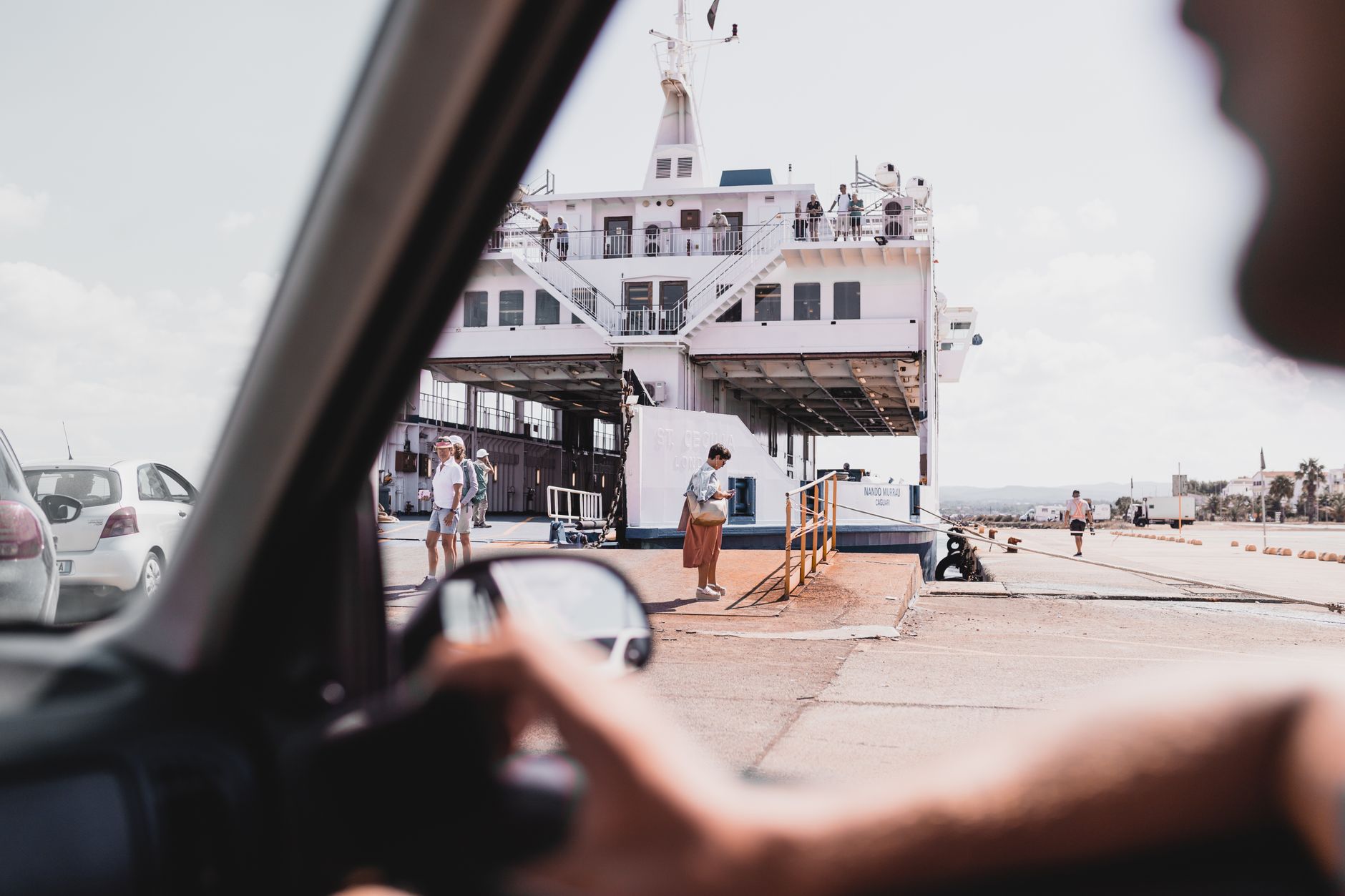
Flying from Mykonos to Santorini is the fastest way to travel between the islands. The flight takes about 25 minutes once you’re in the air. But you need to factor in time for check-in and security.
Airlines and Aircraft
Several airlines operate flights between Mykonos and Santorini during summer months. Most use small aircraft that hold 50 to 70 passengers. These planes are perfect for short island hops.
The flights usually run from May through October. Peak summer months have daily flights. In fact, some days have 2 or 3 flights to choose from. Spring and fall have fewer options, maybe 3 to 4 flights per week.
Sky Express is one of the main airlines on this route. They use modern turboprop aircraft that are safe and comfortable. Olympic Air also runs seasonal flights between the islands.
Airport Experience
Both Mykonos and Santorini have small airports. Check-in and security are usually quick and easy. But the airports can get crowded during peak travel times.
Mykonos airport is about 4 kilometers from the main town. It’s a modern facility with shops, restaurants, and car rental counters. Also, the airport handles both domestic and international flights.
Santorini airport is about 6 kilometers from Fira. It’s smaller than Mykonos but has all the basic services you need. The runway sits on a cliff with great views of the sea.
Both airports have taxi services and bus connections to the main towns. Additionally, a local travel specialist can arrange private transfers that take you directly to your hotel. This saves time and eliminates the stress of finding transportation.
Flight Times and Schedules
Most flights from Mykonos to Santorini depart in the morning or early afternoon. In fact, the airlines try to coordinate with ferry schedules and hotel check-in times.
Morning flights are popular because they get you to Santorini early in the day. You have more time to settle in and start exploring. Afternoon flights work well if you want to spend a full morning in Mykonos.
Flight schedules can change based on demand and weather. Summer storms sometimes cause delays or cancellations. That’s why having a local expert to monitor your flight and suggest alternatives is very helpful.
Pros and Cons of Flying
Flying saves time compared to taking the ferry. In fact, the total travel time from hotel to hotel is usually about 2 hours. This includes getting to the airport, the flight, and ground transportation.
But flights cost more than ferries. You also miss the scenic journey across the Aegean Sea. Some people prefer the relaxed pace of ferry travel.
Flying works best if you have limited time or want to maximize your days on each island. Ferries are better if you enjoy the journey as much as the destination.
Planning Your Island Hopping Route
The route from Mykonos to Santorini fits into many different Greek island itineraries. These islands work well together because they’re close and have good connections.
Multi-Island Itineraries
Many travelers visit both Mykonos and Santorini as part of a longer Greek island trip. You might start in Athens, then visit Mykonos, Santorini, and other islands before returning to the mainland.
A typical route might include Paros or Naxos between Mykonos and Santorini. These islands are less crowded and offer a different perspective on Greek island life. They’re also easy to reach by ferry from both Mykonos and Santorini.
Some travelers add Crete to their itinerary after Santorini. The ferry from Santorini to Crete takes about 2 hours. This gives you a chance to see Greece’s largest island.
For families, a local travel specialist might suggest spending more time on each island instead of visiting many places. This reduces travel time and lets kids settle into a routine.
Timing Your Island Hops
The timing of your move from Mykonos to Santorini can affect your whole trip. Most hotels have check-in times around 3 PM and check-out around 11 AM.
Morning ferries and flights work well with these hotel schedules. So you can check out of your Mykonos hotel, travel to Santorini, and check into your new hotel the same day.
But some travelers prefer to take afternoon ferries. This gives them a full last morning in Mykonos. They might need to store their luggage or book a late check-out.
A local expert can coordinate your travel times with your hotel reservations. They can also arrange luggage storage or early check-in when needed.
Connecting to Other Islands
Both Mykonos and Santorini have good ferry connections to other Cycladic islands. From Mykonos, you can easily reach Paros, Naxos, or Syros. Similarly, from Santorini, you can get to Ios, Folegandros, or Milos.
The best Greek islands to visit depend on what you’re looking for. Some islands are better for families. Others are perfect for couples or luxury travelers.
If you’re interested in less crowded alternatives, consider visiting Paros or Naxos instead of or in addition to Mykonos and Santorini. These islands have beautiful beaches, charming towns, and fewer tourists.
A travel specialist can help you design an island-hopping route that matches your interests and travel style. They know which islands work well together and how to time your moves.
Best Times to Travel Between the Islands
The timing of your trip from Mykonos to Santorini affects everything from ferry schedules to weather conditions. Each season offers different advantages and challenges.
Summer Travel (June to August)
Summer is the busiest time for travel between Mykonos and Santorini. Ferry schedules are at their most frequent. In fact, you’ll find multiple daily options for both high-speed and conventional ferries.
The weather is warm and sunny during summer months. Sea conditions are usually calm, making ferry rides comfortable. But this is also when both islands are most crowded.
Summer flights between the islands run daily. Airlines add extra flights during peak weeks in July and August. But this is also when airfares are highest.
For families with school-age children, summer is often the only option. The warm weather is perfect for beach activities and swimming. But you’ll need to book accommodations and transportation well in advance.
Spring and Fall Travel (April-May, September-October)
Spring and fall offer a good balance of weather and fewer crowds. Ferry schedules are reduced but still reliable. You might find 4 to 5 ferries per week instead of daily service.
The weather is still warm enough for swimming and outdoor activities. Spring can have some rainy days, but fall is usually dry and pleasant. Both seasons have beautiful light for photography.
Flight schedules are also reduced during shoulder seasons. But you’ll find better prices and less crowded airports. The planes are the same size, so flights fill up quickly.
These months are perfect for couples and luxury travelers who want to avoid crowds. The islands feel more authentic when they’re not packed with tourists.
Winter Travel (November to March)
Winter travel between Mykonos and Santorini is challenging. Ferry service is very limited. Some weeks have no direct ferries at all. You might need to travel via Athens or another island.
Most flights between the islands stop running in winter. The few that operate have irregular schedules. Also, weather delays and cancellations are more common.
But winter has its advantages too. Both islands are peaceful and authentic. You’ll see how locals live when the tourists go home. Hotels and restaurants that stay open offer very personal service.
Winter weather can be unpredictable. You might have sunny days perfect for sightseeing. But you could also face rain, wind, or even rare snow. Pack layers and be flexible with your plans.
What to Expect When You Arrive in Santorini

Your arrival in Santorini depends on whether you take the ferry or fly. Both options bring you to different parts of the island. Understanding the layout helps you plan your first day.
Arriving by Ferry
Ferries arrive at Athinios Port on the west side of Santorini. The port sits at the bottom of the caldera cliffs. So you’ll see the dramatic landscape right away.
From the port, you need to get up to the main towns. Fira is about 10 kilometers away. Oia is about 20 kilometers. The road winds up the cliff face with great views.
Buses run from the port to Fira and other towns. But they can be crowded, especially when multiple ferries arrive at the same time. Taxis are available but limited.
A local travel specialist can arrange private transfers from the port. The driver will meet you at the ferry and take you directly to your hotel. This eliminates waiting and makes your arrival much smoother.
Arriving by Plane
Santorini airport is on the eastern side of the island. It’s flatter here, away from the dramatic cliffs. Also, the airport is modern and easy to navigate.
From the airport, Fira is about 6 kilometers away. Oia is about 15 kilometers. The roads are good, and the drive takes 15 to 30 minutes depending on traffic.
Airport buses run to Fira and connect with other island buses. But the schedules don’t always match flight arrivals. Taxis are more reliable but can be expensive during peak times.
Private airport transfers are popular in Santorini. Your driver can stop at viewpoints along the way for photos. They can also give you tips about the island and help you get oriented.
First Impressions of Santorini
Santorini looks different from Mykonos. Instead of flat landscapes and beaches, you’ll see dramatic cliffs and volcanic rocks. The famous white buildings cling to the cliff edges.
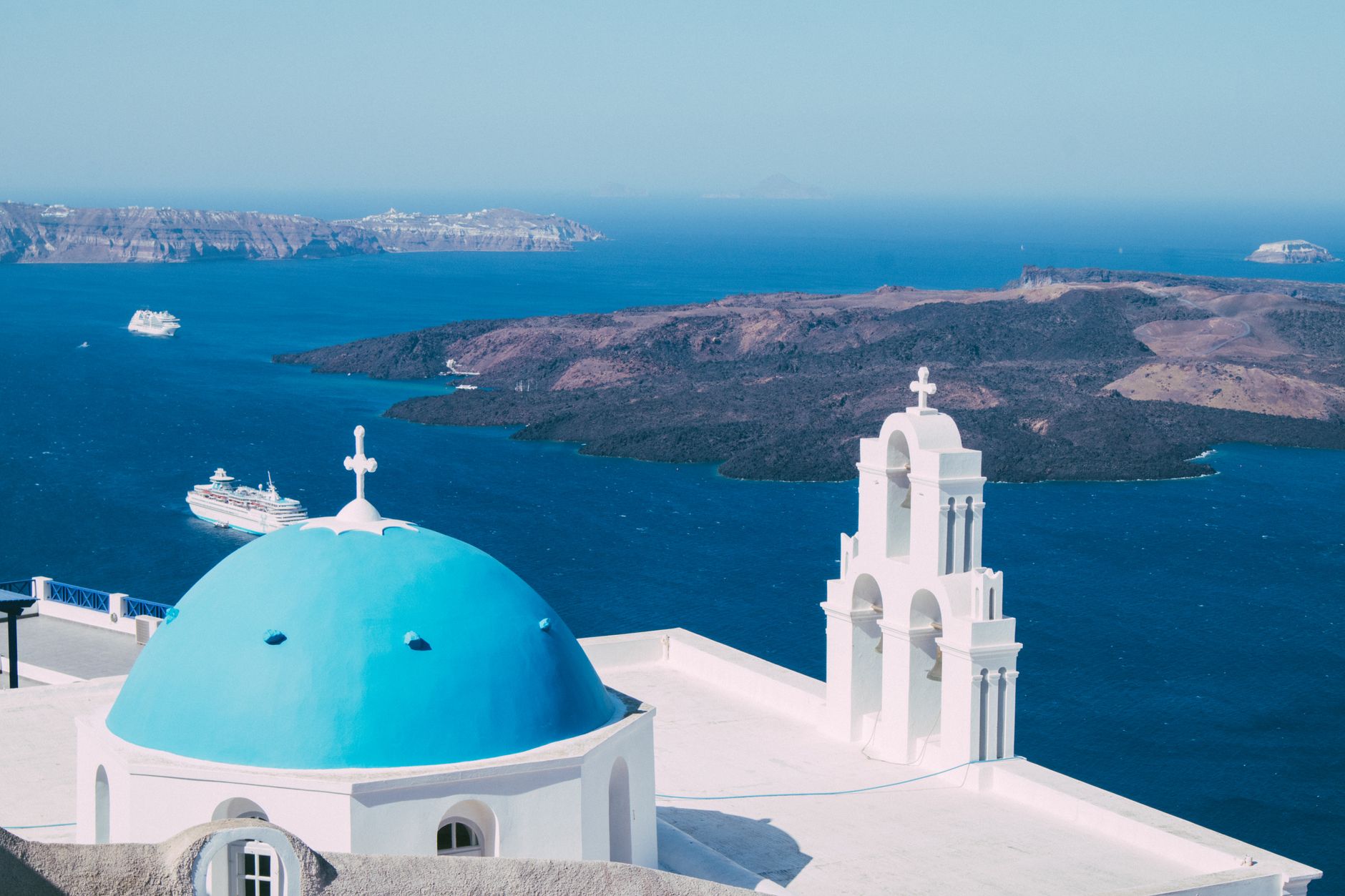
The caldera view is what makes Santorini special. This is the flooded crater of an ancient volcano. The water is deep blue, and small islands sit in the middle.
Most visitors head straight to Fira or Oia to see the caldera views. But Santorini has much more to offer. There are black sand beaches, ancient ruins, and traditional villages to explore.
A local expert can help you prioritize what to see based on your interests and how long you’re staying. They know which viewpoints are best at different times of day. They can also suggest things to do in Santorini that most visitors miss.
Practical Tips for Your Journey
Traveling from Mykonos to Santorini involves some practical considerations. Being prepared makes the journey smoother and more enjoyable.
Packing for the Journey
Pack light for your move between islands. You’ll be carrying your luggage through ports or airports. So rolling luggage works better than hard cases on uneven surfaces.
Keep important items in your carry-on bag. This includes travel documents, medications, and a change of clothes. Ferry delays can sometimes mean your luggage arrives later than expected.
Bring layers for the journey. Ferry air conditioning can be cold, but outdoor decks get hot in the sun. Airports are usually cool, but you might wait outside for transportation.
Don’t forget seasickness medication if you’re prone to motion sickness. Even calm seas can affect sensitive travelers. It’s better to take medication before you feel sick.
Travel Documents and Requirements
You’ll need your passport or ID card for domestic flights in Greece. Ferry travel doesn’t require ID checks, but it’s good to have documents with you.
Keep your ferry or flight tickets easily accessible. Digital tickets on your phone work fine, but have a backup plan if your battery dies.
If you’re renting a car on either island, bring your driver’s license and credit card. International driving permits are required for non-EU visitors.
Travel conditions can change — we recommend confirming details with a local specialist before your trip.
Money and Payments
Both ferry terminals and airports have ATMs. But it’s good to have some cash before you travel. Small vendors and taxi drivers prefer cash payments.
Credit cards work for most ferry and flight tickets. But some smaller ferry companies only accept cash. Your travel specialist can tell you which payment methods each company accepts.
Taxis and buses usually require cash. However, private transfers arranged by a travel specialist can be paid for in advance or charged to your hotel bill.
Communication and Internet
Ferry WiFi is often slow or unreliable. Download maps and travel information before you board. This helps if you need to check directions or contact your hotel.
Both airports have good WiFi in the terminal buildings. You can use this time to confirm your ground transportation or check in with your hotel.
Greek SIM cards work on all islands. But international roaming can be expensive. Many hotels and restaurants offer free WiFi to guests.
Seasonal Considerations and Weather
The weather affects both your journey and what you can do when you arrive. Understanding seasonal patterns helps you pack right and set expectations.
Summer Weather Patterns
Summer weather in the Cyclades is hot and dry. Temperatures often reach 85-90°F (29-32°C) during the day. The sun is strong, so bring sunscreen and hats.
The Meltemi winds blow from the north during summer afternoons. These winds can make ferry rides choppy and delay flights. That’s why morning departures are usually calmer.
Summer is also the driest time of year. You’re unlikely to see rain between June and August. This makes outdoor activities and sightseeing very reliable.
But summer heat can be intense, especially in the afternoon. Plan indoor activities or rest time during the hottest part of the day. Early morning and evening are perfect for walking and exploring.
Spring and Fall Weather
Spring weather can be unpredictable. March and April sometimes have rain showers. But May is usually warm and sunny. Temperatures range from 70-80°F (21-27°C).
Fall weather is more stable. September feels like summer with warm temperatures and little rain. October starts to cool down but is still pleasant for most activities.
Both seasons have less wind than summer. This makes ferry rides more comfortable. But weather can change quickly, so pack layers and a light rain jacket.
Spring and fall have beautiful light for photography. The sun is lower in the sky, creating better colors and shadows. This is especially nice for sunset photos in Santorini.
Winter Weather Challenges
Winter weather in the Greek islands is mild compared to northern Europe. But it can be wet and windy. Temperatures range from 50-65°F (10-18°C).
Rain is more common in winter months. You might have several rainy days in a row. But you’ll also have clear, sunny days that are perfect for sightseeing.
Winter winds can be strong and unpredictable. This affects ferry schedules more than summer travel. Flights are also more likely to be delayed or cancelled.
But winter has its charm too. The islands look green after the rain. Tourist sites are empty and peaceful. You’ll have beaches and viewpoints to yourself.
Frequently Asked Questions
How long does it take to get from Mykonos to Santorini?
The journey time depends on your transportation choice. High-speed ferries take about 2 hours. Conventional ferries take around 3 hours. Flights take 25 minutes in the air, but you need to add time for airport procedures. Overall, the total travel time from hotel to hotel is usually 2-4 hours depending on your method and connections.
What’s the best way to travel from Mykonos to Santorini?
The best option depends on your priorities. Ferries are more scenic and cost less, but take longer. Flights are faster but more expensive and you miss the sea views. For most travelers, high-speed ferries offer the best balance of time, cost, and experience. A local travel specialist can help you choose based on your specific needs and schedule.
How often do ferries run from Mykonos to Santorini?
Ferry frequency varies by season. Summer months (May-September) have daily ferries, sometimes multiple departures per day. Spring and fall have 3-4 ferries per week. Winter service is very limited, with some weeks having no direct ferries. That’s why it’s important to check current schedules, as they can change due to weather or operational reasons.
Can I take a day trip from Mykonos to Santorini?
While technically possible, a day trip isn’t recommended. The journey takes several hours each way, leaving little time to explore Santorini properly. So you’d spend more time traveling than sightseeing. Instead, it’s better to plan at least one night in Santorini to see the sunset and explore the island’s highlights. Most travelers find 2-3 nights in each location gives them a good experience.
What should I do if my ferry or flight gets cancelled?
Weather delays and cancellations can happen, especially during winter months or when strong winds occur. If you’re traveling independently, you’ll need to rebook and possibly find alternative accommodation. This is where having a local travel specialist really helps — they can quickly arrange alternative transportation, adjust hotel bookings, and handle the details while you focus on enjoying your trip.