
When you plan things to do in Greece, you are not choosing a single type of experience. You are choosing a country that combines history, landscapes, food, and everyday life in a very balanced way. Greece suits travelers who prefer depth over speed and understanding over checklists. You move between ancient sites, coastal towns, islands, and mountain villages without feeling rushed when planning is done carefully.
Greece rewards a slower pace. Distances can be short, yet experiences feel layered. You might explore a classical site in the morning, enjoy a long lunch by the sea, and walk through a village in the evening. This guide focuses on confirmed, enduring things to do in Greece that offer clarity, comfort, and cultural value. The aim is not to cover everything, but to help you choose well.
Explore the Historical Heart of Athens
Exploring Athens is one of the most important things to do in Greece. The city offers direct access to the foundations of Western history, yet it also functions as a living modern capital. You experience both when you move at a measured pace. The Acropolis dominates the city visually and historically. Visiting early in the morning allows you to avoid heat and crowds while appreciating the site’s scale.
Walking through the Acropolis Museum adds essential context. Exhibits are clearly presented and easy to follow. You gain understanding without feeling overwhelmed. From there, neighborhoods like Plaka and Anafiotika provide a calmer atmosphere. Narrow streets, small cafés, and restored homes soften the intensity of the historical sites.
Athens also rewards simple walks. The pedestrian paths around the Acropolis connect major landmarks and green spaces. You pause often, sit when needed, and observe daily life unfolding alongside ancient ruins.
Overall experience rating: ⭐⭐⭐⭐⭐
Best for: First-time visitors and history-focused travelers
Time required: 1 to 2 full days
Walking difficulty: Moderate, with frequent rests
Visit Major Archaeological Sites Beyond Athens
Greece’s archaeological depth extends well beyond the capital. Visiting sites such as Delphi and Epidaurus adds perspective to your journey. Delphi sits in a mountain setting that enhances its sense of importance. The site feels reflective rather than crowded when visited earlier in the day.
Epidaurus is known for its ancient theater and remarkable acoustics. The surrounding area feels open and calm. You walk through olive groves and gently sloping paths. The experience feels spacious and balanced.
These sites work best when paired with nearby towns or countryside stays. You avoid long return drives and enjoy a more relaxed rhythm. Guided visits can add clarity, especially for travelers who prefer explanation without excess detail.
Overall experience rating: ⭐⭐⭐⭐⭐
Best for: Cultural and reflective travelers
Time required: Half to full day per site
Physical effort: Low to moderate
Experience Greek Island Life at a Comfortable Pace
Island time defines many things to do in Greece, yet not all islands offer the same experience. Some islands focus on nightlife, while others emphasize scenery, tradition, and quiet routines. Choosing the right island matters.
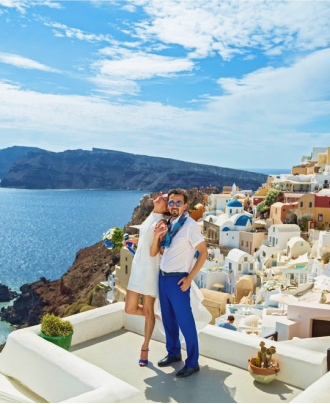
Islands such as Santorini, Naxos, and Paros provide varied but balanced experiences. Santorini offers dramatic views and historical depth. Naxos combines beaches with mountain villages. Paros blends traditional towns with gentle coastal life.
Island experiences work best when you stay several nights in one place. You settle into local rhythms and avoid constant ferry travel. Walking, swimming, and long meals become part of daily routine rather than planned activities.
Overall experience rating: ⭐⭐⭐⭐⭐
Best for: Scenic and slow-paced travel
Time required: 3 to 5 nights per island
Atmosphere: Relaxed when well chosen
Discover Greece’s Coastline and Beaches
Spending time by the sea remains one of the most satisfying things to do in Greece. The coastline offers variety rather than uniformity. You find sandy beaches, pebble coves, and dramatic cliffs depending on region.
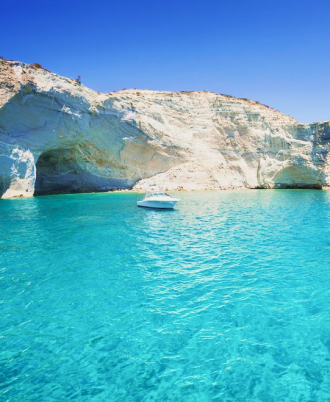
The Ionian coast, including islands like Corfu, features green landscapes and calm waters. The Cyclades offer clearer water and stronger light, with beaches that feel more open and exposed. Crete provides both long organized beaches and remote coves.
Beach time in Greece works best in shorter segments. Morning swims and late afternoon visits provide comfort and better light. Simple seaside tavernas often become highlights, offering fresh food and shade without formality.
Overall experience rating: ⭐⭐⭐⭐
Best for: Relaxation and light activity
Time required: 2 to 4 hours per visit
Facilities: Vary by region
Walk Through Traditional Villages and Small Towns
Village life offers insight into Greece that cities cannot. Walking through places like Nafplio or mountain villages in Epirus shows everyday routines shaped by geography and tradition. Streets are narrow, movement is slow, and social life centers around small cafés.
Nafplio combines history with a walkable old town and coastal setting. You move easily between fortifications, harbor walks, and quiet residential areas. In mountain regions, villages feel more isolated and reflective.
These settings reward curiosity without planning. You sit, observe, and engage when comfortable. The experience feels personal rather than curated.
Overall experience rating: ⭐⭐⭐⭐
Best for: Repeat visitors and cultural travelers
Time required: 1 to 2 hours per village
Crowd level: Low
Enjoy Greek Food as a Cultural Experience
Eating well is one of the most consistent things to do in Greece. Meals are social, unhurried, and seasonal. You experience local identity through food without needing fine dining. Taverns focus on simplicity, quality ingredients, and familiar dishes.
You benefit from ordering a few shared plates rather than individual meals. This reflects local habits and encourages variety. Lunch often extends longer than expected, which fits naturally into the Greek day.
Regional differences matter. Island menus emphasize seafood and vegetables. Mainland areas feature slow-cooked meats and pies. Wine and local spirits appear naturally without pressure.
Overall experience rating: ⭐⭐⭐⭐⭐
Best for: All travelers
Time required: 1.5 to 2 hours per meal
Atmosphere: Informal and welcoming

Visit Monasteries and Spiritual Sites
Monasteries offer a quieter dimension to things to do in Greece. Sites such as Meteora combine spiritual life with dramatic landscapes. Meteora’s monasteries sit atop rock formations and feel separate from daily concerns.
Visiting requires respectful dress and gentle walking. The experience feels contemplative rather than touristic when timed well. Early visits provide better light and fewer visitors.
These sites add emotional balance to a journey focused on history and scenery.
Overall experience rating: ⭐⭐⭐⭐⭐
Best for: Reflective travelers
Time required: Half day
Physical effort: Moderate stairs and paths
Comparison Table: Key Things to Do in Greece
| Experience | Time Needed | Physical Effort | Crowd Level | Overall Rating |
|---|---|---|---|---|
| Athens historical sites | 1–2 days | Moderate | Medium | ⭐⭐⭐⭐⭐ |
| Major archaeological sites | Full day | Low–Moderate | Low | ⭐⭐⭐⭐⭐ |
| Greek islands | 3–5 nights | Low | Varies | ⭐⭐⭐⭐⭐ |
| Beaches | Half day | Low | Medium | ⭐⭐⭐⭐ |
| Traditional villages | 2 hours | Low | Low | ⭐⭐⭐⭐ |
| Food experiences | 2 hours | Low | Low | ⭐⭐⭐⭐⭐ |
| Monasteries | Half day | Moderate | Low | ⭐⭐⭐⭐⭐ |
Practical Planning Tips for Greece
You benefit from limiting the number of locations. Greece rewards depth more than coverage. Combining one city, one island, and one rural area creates balance. Transport planning improves comfort, especially with ferries and regional drives.
Season matters. Spring and autumn offer better temperatures and fewer crowds. Summer requires earlier starts and longer midday breaks. Allow flexibility in your schedule. Greece operates on human rhythm rather than strict timing.
Final Thoughts on Things to Do in Greece
The most meaningful things to do in Greece encourage you to slow down. History, landscape, food, and daily life connect naturally when you give them space. Greece does not ask you to rush. It responds best when you observe, walk, eat, and rest with intention. With thoughtful planning, your experience feels complete rather than busy.