
Weather in Greece in March offers you a calm and balanced entry into the travel year. You arrive during a transitional season, when winter slowly releases its hold and spring begins to shape daily life. This period suits you if you value comfort, cultural focus, and unrushed exploration. You move through cities, villages, and landscapes without extreme temperatures or dense crowds.
March does not deliver beach weather, yet it gives you clarity, space, and authenticity. Days grow longer, light softens architectural details, and the countryside turns green again. You experience Greece as residents do, not as a peak-season destination but as a living country. For many travelers over 45, this rhythm feels natural and restorative.
This in-depth guide explains the weather in Greece in March with precision and realism. You learn how conditions vary by region, how weather shapes daily activities, and how to plan with confidence.
Understanding the Seasonal Shift in March
March marks the turning point between winter and spring in Greece. You still feel winter’s presence, especially in early mornings and evenings. At the same time, you notice clear signs of seasonal change as days lengthen and sunlight strengthens. This contrast defines the month.
Average daytime temperatures across Greece usually range from 12°C to 18°C. Southern regions often sit at the higher end of that range. Nighttime temperatures commonly fall between 6°C and 10°C. You should expect cool starts to the day followed by pleasant afternoons.
Rainfall decreases compared to mid-winter months, yet March remains part of the rainy season. Showers tend to be brief and localized rather than prolonged. You often see clouds pass quickly, leaving behind clear skies and fresh air. Snow remains limited to mountainous regions and does not affect most travelers.
Sunshine increases steadily through the month. By late March, you enjoy around six to seven hours of sun per day. This gradual improvement creates a sense of optimism without the intensity of summer heat.
Weather in Athens and Central Mainland Greece
In Athens, March brings early spring conditions that favor sightseeing. Daytime temperatures typically range from 14°C to 18°C. You walk comfortably through historic neighborhoods, archaeological sites, and museum districts without overheating. Evenings remain cool, so layered clothing matters.
Rain appears occasionally, especially in early March. These showers rarely disrupt an entire day. You often find mornings or afternoons clear enough for outdoor plans. The city’s stone streets dry quickly, and cafés remain active year-round.
Mainland regions such as Attica, Boeotia, and the Peloponnese share similar conditions. Coastal areas feel slightly milder, while inland zones experience cooler nights. You may see early blossoms on trees and hillsides, adding color to otherwise neutral landscapes.
March suits travelers who want to explore classical sites without the crowds of April and May. You also benefit from quieter roads and easier access to cultural landmarks. For history-focused itineraries, this timing works very well.
Northern Greece and Mountain Areas
Northern Greece experiences cooler and less predictable weather in March. Daytime temperatures often range between 10°C and 14°C. Nights can drop close to freezing in some inland locations. You should prepare for colder mornings and limited warmth after sunset.
Rainfall remains moderate, and snow may still appear in mountainous areas. Higher elevations can feel firmly wintry, even as lowlands show signs of spring. This contrast shapes travel planning, especially if you intend to explore rural or alpine regions.
Cities such as Thessaloniki feel crisp and lively during this month. You enjoy clear air and fewer tourists. Outdoor walks remain possible with proper clothing, though café culture shifts indoors during cooler days.
March works for northern Greece if you focus on urban culture, gastronomy, and museums rather than nature hikes. You gain authenticity and calm, yet you trade warmth for atmosphere.
Crete in March: The Mildest Option
Crete consistently offers the warmest weather in Greece in March. Daytime temperatures often reach 17°C to 20°C, especially along the northern coast. You notice spring arriving earlier here than elsewhere in the country.
Rain remains possible, particularly in western areas. These showers usually pass quickly and refresh the landscape. The island’s size creates microclimates, so conditions vary widely between coastlines and mountain interiors. Snow may still cover high peaks, while valleys below appear green and fertile.
March allows you to explore archaeological sites and historic towns without heat or congestion. Walking through old harbors and villages feels relaxed and personal. Hiking becomes possible at lower elevations, though high-altitude routes may remain inaccessible.
The sea stays cold, so swimming rarely appeals. Still, coastal walks and seaside dining feel pleasant during midday. Crete in March suits travelers who want warmth without intensity and depth without crowds.
The Cyclades and Aegean Islands in March
Island weather in March feels cooler and more exposed than on the mainland. Daytime temperatures usually range from 13°C to 16°C. Wind plays a larger role, especially on open islands. Even on sunny days, breezes can make conditions feel cooler.
Rainfall decreases as the month progresses, yet cloudy days still appear. Sunshine improves toward late March, bringing clearer skies and better visibility. Vegetation remains limited, though early wildflowers emerge in sheltered areas.
Many island communities operate at a slower pace during March. Some hotels, restaurants, and shops remain closed. Ferry schedules are reduced but functional. You should plan with flexibility, especially during periods of unsettled weather.
March suits you if you value quiet exploration and scenic views. You experience iconic landscapes without crowds or noise. You should not expect nightlife or beach services.
Sea Temperatures and Coastal Conditions
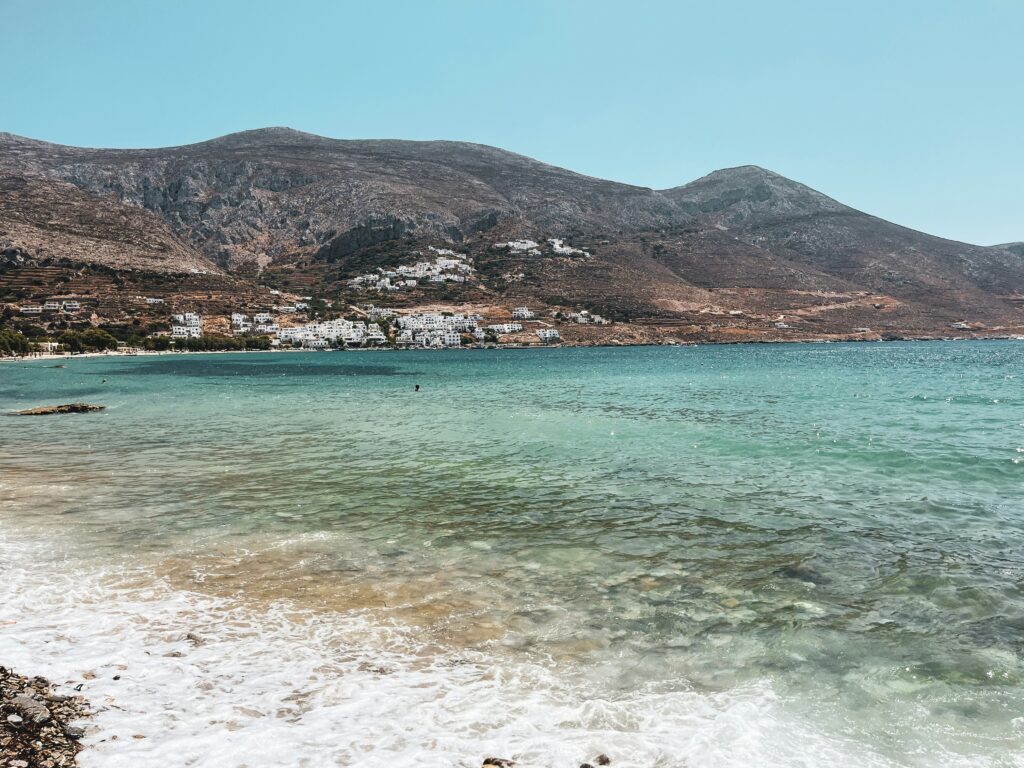
Sea temperatures in Greece during March average around 14°C to 16°C. For most travelers, this feels too cold for swimming. Even strong swimmers find the water bracing rather than refreshing.
Cold sea temperatures influence coastal air. Shoreline areas often feel cooler than inland zones, especially during mornings and evenings. You may notice increased humidity near the water, though this rarely causes discomfort.
Despite limited swimming, coastal environments remain appealing. You enjoy long seaside walks, harbor views, and fresh seafood meals without summer crowds. Boat tours operate selectively, depending on weather and demand.
March favors passive enjoyment of the sea rather than active water-based activities. If swimming matters to you, later months provide better conditions.
Daily Comfort and Outdoor Activities
March supports a wide range of outdoor activities with minimal physical strain. Walking tours feel comfortable due to moderate temperatures. You avoid the fatigue that often accompanies warmer months.
Cultural sightseeing thrives during this period. You move easily between outdoor ruins and indoor museums without temperature extremes. Archaeological sites remain open, and visibility often improves after rainfall clears the air.
Cycling works well in flatter regions with stable weather. Hiking suits low-altitude routes, especially in southern areas. You should avoid high mountains unless conditions are confirmed safe.
Dining outdoors becomes possible during sunny afternoons, especially in sheltered locations. Evenings usually require indoor seating or warm layers. Overall, March promotes balance rather than limitation.
Packing for Greece in March
Packing thoughtfully improves your experience in March. You should focus on flexibility rather than bulk. Layered clothing works best, allowing you to adapt throughout the day.
A light waterproof jacket proves essential for occasional showers. Sweaters or cardigans handle cool evenings and mornings. Long-sleeved shirts offer comfort during the day without overheating.
Comfortable walking shoes matter more than fashion. Uneven streets, stone paths, and archaeological terrain demand good support. You benefit from breathable fabrics combined with warmer outer layers.
Accessories such as scarves help manage wind, especially on islands. Sunglasses remain useful on bright days. Sunscreen still matters, even with mild temperatures. With proper preparation, you stay comfortable without carrying excess items.
Regional Weather Comparison for March
The following table provides a clear comparison of typical March conditions across major regions. These figures reflect averages rather than guarantees.
| Region | Average Day Temp | Rainfall Level | Wind Exposure | Travel Comfort |
|---|---|---|---|---|
| Athens & Central Mainland | 14–18°C | Moderate | Low | High |
| Crete | 17–20°C | Moderate | Low | Very High |
| Cyclades Islands | 13–16°C | Low to Moderate | Moderate | Medium |
| Northern Greece | 10–14°C | Moderate | Low | Medium |
This overview helps you match destinations with personal comfort preferences rather than expectations of warmth alone.
Advantages and Limitations of March Travel
March offers clear advantages if you value calm travel. You encounter fewer visitors at major sites. You experience more personal interactions with locals. Prices remain lower than peak season, particularly for accommodation.
You also face limitations. Swimming rarely feels appealing. Some island services remain closed. Weather variability requires flexibility and realistic planning.
For many travelers, these trade-offs feel acceptable. You gain authenticity and comfort at the expense of summer-style activities. If your priorities align with culture, scenery, and pacing, March performs well.
Is March the Right Time for You?
March works best if you seek depth rather than spectacle. You travel without pressure and follow natural rhythms. You enjoy Greece as a lived-in place rather than a seasonal destination.
Weather in Greece in March supports exploration, reflection, and cultural immersion. You walk more, observe more, and rush less. This balance appeals strongly to travelers who value meaning over volume.
With realistic expectations and thoughtful planning, March delivers a rewarding and composed travel experience.