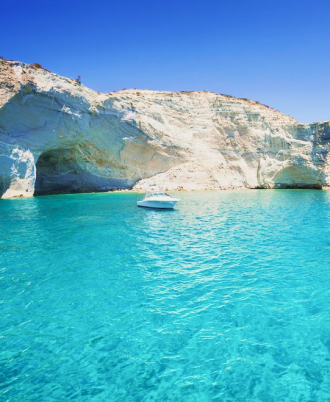

Crete is not just another stop on a Greek island itinerary. It is the largest island in Greece, a place where mountains rise dramatically from the sea, ancient history sits side by side with living traditions, and every region feels different from the last. Because Crete is so vast and varied, travelers often wonder how many days they really need to appreciate it without rushing.
The short answer is that three to five days give you only a taste. Seven to ten days start to feel comfortable. Two weeks allow you to move slowly, explore multiple regions, and enjoy the full rhythm of island life. How long you should stay depends on the type of trip you want, the distances you are willing to travel, and the experiences at the top of your list.
This guide helps you choose a realistic timeline so you can explore Crete without feeling like you’re constantly chasing the next landmark.
Understanding Crete’s Scale and Diversity
Before deciding on the number of days, it helps to understand the island’s layout. Crete stretches roughly 260 kilometers from east to west. The terrain is rugged, with mountain ranges dividing regions, winding coastal roads, and inland villages that feel far removed from the beaches.
Driving across the island can take five to six hours without stops. In practice, you will want to stop often. Views open up unexpectedly, archaeological sites appear just off the road, and little tavernas invite you to linger. What looks manageable on a map often becomes a full-day excursion once you factor in the scenery and pace.
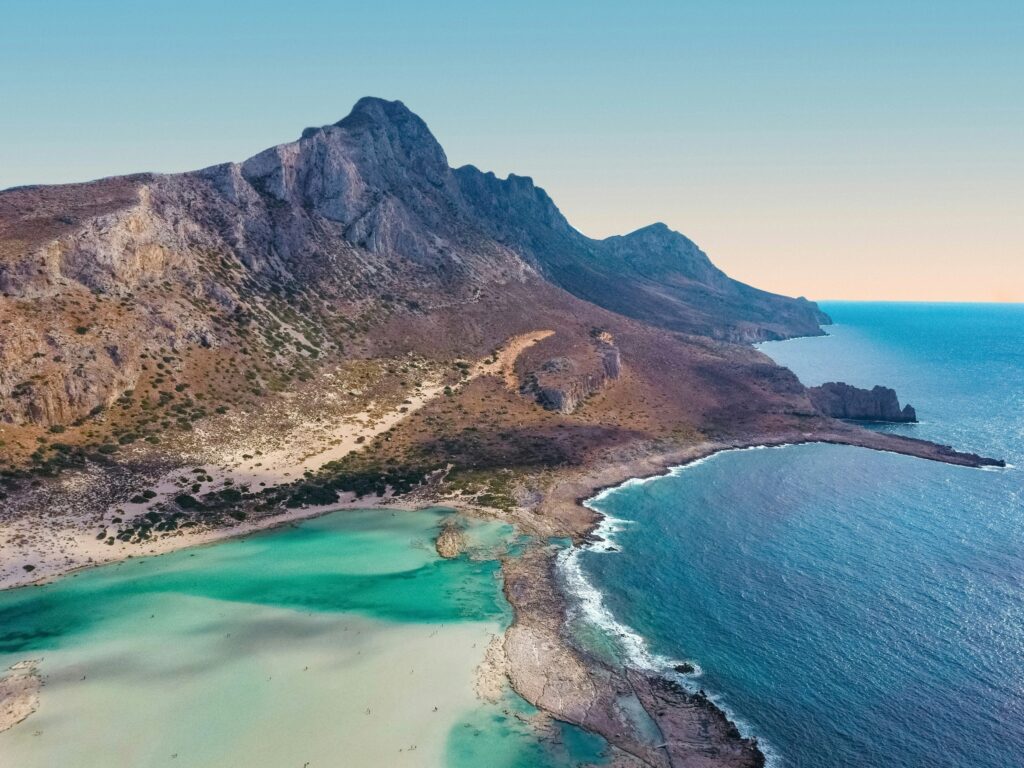
Crete also feels like several destinations in one. The western region around Chania offers dramatic beaches such as Balos and Elafonissi, along with Venetian-influenced architecture. Central Crete, anchored by Heraklion, brings ancient Minoan history to the forefront at the Palace of Knossos and the Archaeological Museum. In the south, remote coves and hiking paths give you quieter landscapes. The east feels drier, more open, and more traditional, with places like Agios Nikolaos and Vai Palm Forest offering completely different scenery.
Because each region has its own character, trying to “do all of Crete” in a few days often leads to long drives and very little immersion.
Spending Three to Four Days: A Taste of Crete
If your time is limited, three to four days let you experience Crete as an introduction rather than a deep dive. You will likely choose one base, either near Chania or Heraklion, and focus on highlights in that region.
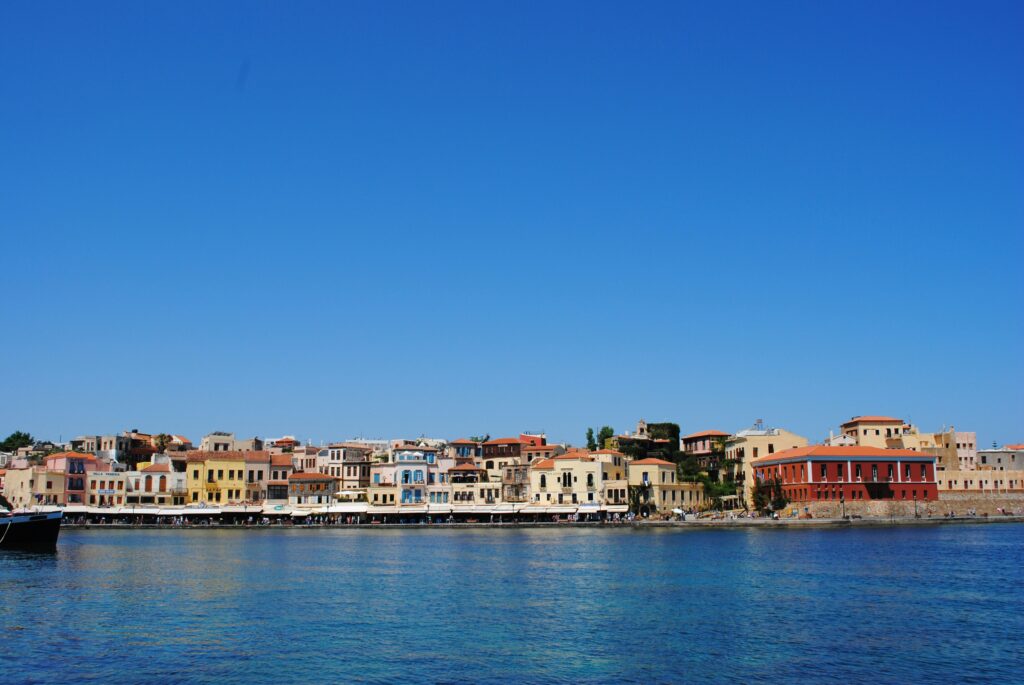
In Chania, you spend much of your time exploring the Old Town, walking along the Venetian harbor, and visiting one or two nearby beaches. A day might take you to Balos Lagoon, where shallow turquoise water meets rugged rock formations. Another day might involve a drive to Elafonissi, where pale pink sand appears in sections of the shoreline. Evenings revolve around seaside dinners, narrow alleys, and slow dusk strolls.
If you base yourself in Heraklion, the rhythm changes. You likely start at Knossos, walking through the remains of Minoan palaces that shaped the culture of the island thousands of years ago. The Archaeological Museum helps you connect artifacts and architecture, while modern Heraklion offers lively cafés, bakeries, and city squares. You may still reach beaches, but your days center more on history than coastline.
With only three to four days, you usually choose between a culture-focused visit and a landscape-focused visit. You will enjoy Crete, but you may leave feeling that the island still holds far more than you had time to see.
Spending Five to Seven Days: Balance and Exploration
A week in Crete opens the island in more meaningful ways. You now have time to combine history, beaches, and nature without rushing from one stop to another. Many travelers choose two bases, such as Chania and Heraklion, to reduce driving time while still covering major highlights.
You might begin with several nights in Chania, where mornings start with coffee overlooking the harbor and days unfold between sea and hillside. Depending on the weather, you visit Balos or Falassarna, take scenic drives through mountain passes, and explore small villages where time seems slower. You may also hike a short section of the Samaria Gorge or another nearby trail, which introduces the wild, rugged side of the island.
Moving to Heraklion changes your perspective. Instead of romantic harbors, you encounter urban energy and archaeological storytelling. You can dedicate one full day to Knossos and the museum, another to exploring wineries in the countryside, and another to beaches or coastal towns such as Agia Pelagia or Matala. Every day feels distinct, which keeps the itinerary engaging.
Five to seven days allow you to see contrasts. You experience both mountain and sea, both history and modern island life. You still make choices and leave certain regions unexplored, but the pace turns comfortable rather than compressed.
Spending Ten to Fourteen Days: Immersion and Variety
When you have ten to fourteen days, Crete becomes less of a checklist and more of a lived experience. You can move across the island slowly, staying two to three nights in each region and allowing yourself time to settle in.
Your journey may begin in Chania, carrying the charm of Old Town for several days before driving south toward coastal areas that feel very different. Villages such as Loutro and Sfakia offer quieter harbors, fewer crowds, and simple waterfront tavernas where meals stretch across hours. Hiking opportunities multiply, and you may find yourself walking through gorges or olive groves with only the sound of wind and goats’ bells around you.
As you continue east, you discover Heraklion not as a quick stop, but as a cultural hub with layers that reward repeat visits. Museums, markets, bakeries, and neighborhoods begin to feel familiar. Day trips take you into the countryside, where you visit monasteries, farms, or agricultural towns that reveal the island’s dependence on olives, grapes, and seasonal crops.
In the far east, the scenery changes again. The coastline becomes lighter and more open. You can visit Vai Palm Forest, explore quieter beaches, or wander through archaeological sites that see fewer tour buses. Each region feels like a new chapter.
Two weeks give you breathing room. There is time for unplanned afternoons, for conversations with locals, for returning to a favorite café. You leave with a sense not only of what Crete looks like, but how it moves and feels.
What Influences How Long You Should Stay
Your ideal number of days depends on more than the map. Your interests matter, as does your travel style. If beaches are your priority, you may stay longer in the west and south, building your itinerary around lagoons, coves, and stretches of sand. If you value history, you might base yourself near Heraklion or plan multiple archaeological stops across the island.
Your comfort with driving also shapes the trip. Crete rewards road travel, but mountain roads can be narrow and winding. If you prefer minimal driving, staying longer in one region often feels more enjoyable than trying to cross the island.
Seasonality plays a role as well. In summer, heat and crowds can slow you down, especially on popular beaches. In spring and autumn, hiking and sightseeing feel easier, and longer stays become especially appealing. Winter brings quieter towns and cooler temperatures, which can suit travelers interested in culture over beaches.
Ultimately, the number of days in Crete is a balance between your curiosity and your willingness to move. Choosing fewer bases and allowing more time in each usually leads to a more relaxed experience than racing across the island.
So, How Many Days Should You Spend in Crete?
For a quick introduction, three to four days work when you stay in one area and focus on highlights. For a balanced trip that blends culture, scenery, and local life, five to seven days give you enough time to settle in and move thoughtfully. Travelers who want depth, variety, and slow discovery, ten to fourteen days let Crete unfold in layers.
Crete is not a destination that rewards rushing. The most memorable moments often arise from quiet meals, unexpected viewpoints, or conversations with people who call the island home. The more time you give yourself, the more space you leave for those experiences to happen.
If you can, err on the side of staying longer. Crete has a way of staying with travelers long after they leave, and additional days rarely feel unnecessary. Instead, they become part of the rhythm that makes the island so compelling — a rhythm that invites you to slow down, look around, and let the landscape tell its story at its own pace.